The First Imported Case and a Cross-Border Journey
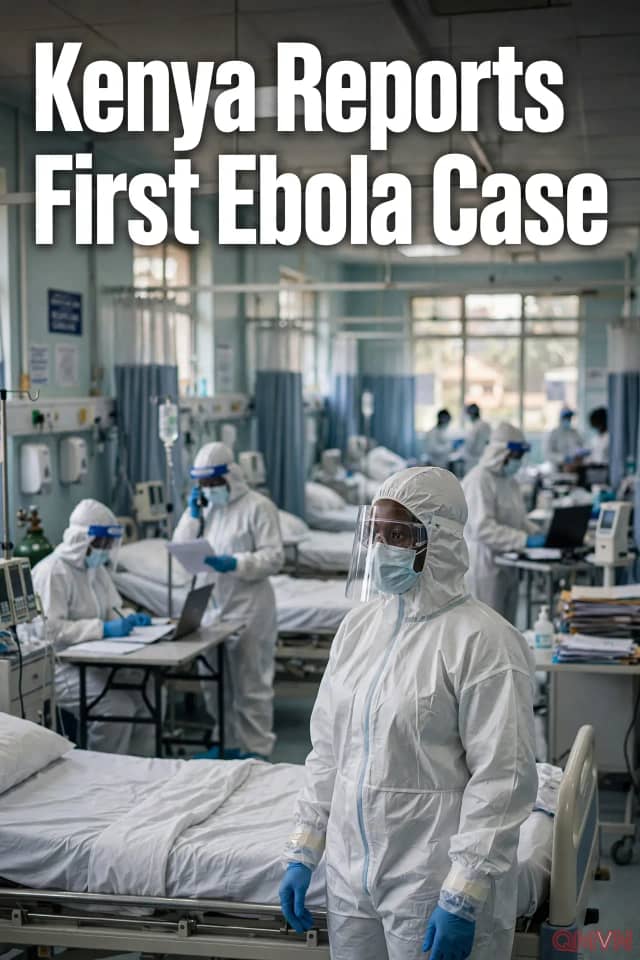
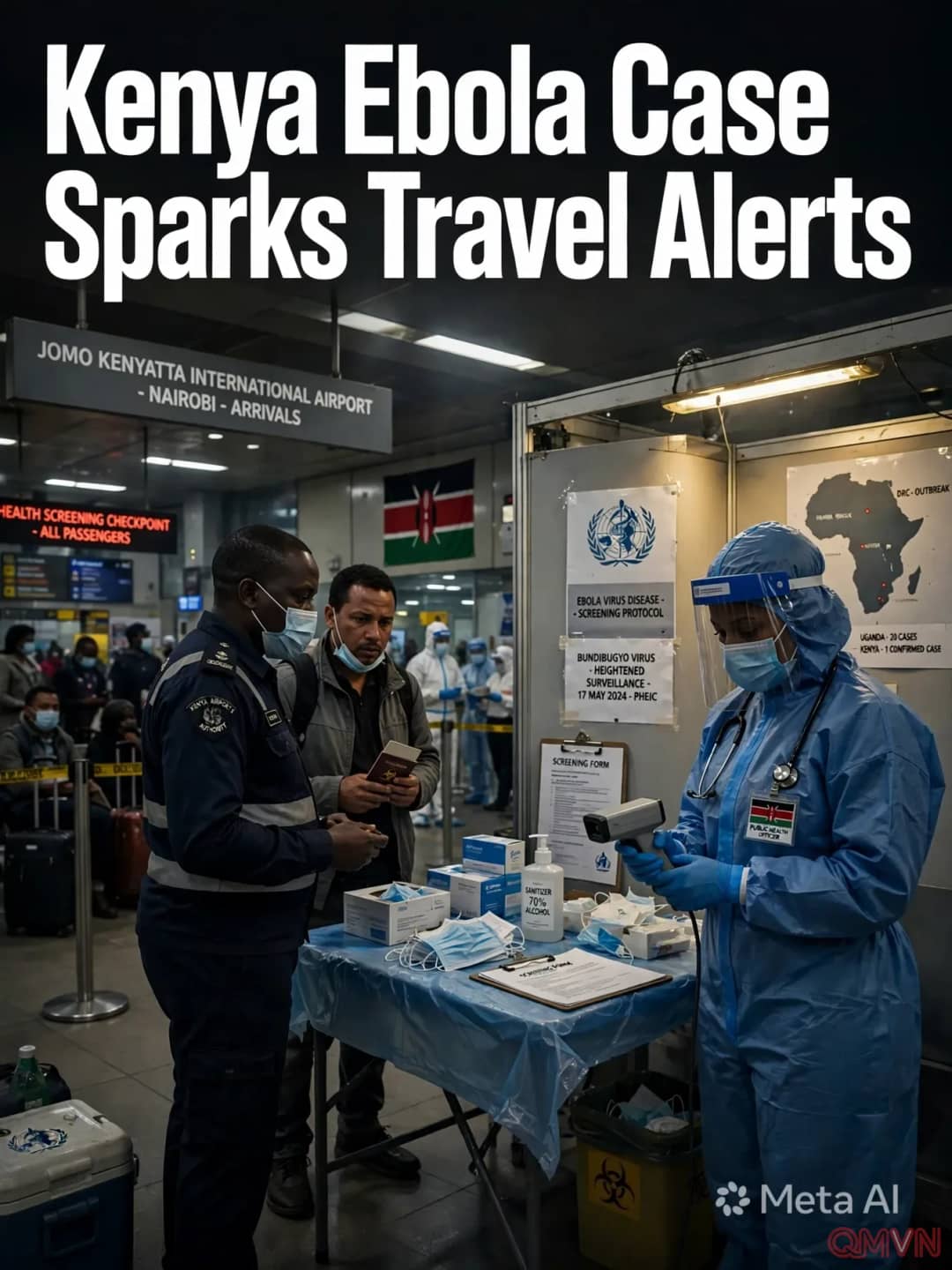
According to Kenyan Health Cabinet Secretary Aden Duale, the patient was a Kenyan man who had lived in the DRC for seven years, fell ill about a month ago and was treated at several hospitals there. He travelled by road to Kampala, Uganda’s capital, then flew Jambojet flight 8523 to Nairobi, landing on the afternoon of Saturday, Oct. 3. A relative drove him from Jomo Kenyatta International Airport straight to Nairobi Hospital, where he was immediately isolated. Samples tested positive for the Bundibugyo virus at both the National Virology Reference Laboratory and the Kenya Medical Research Institute (KEMRI).
Despite supportive care, the patient died on the night of Oct. 5 and was buried under Kenya’s safe and dignified burial protocol for Ebola. The Ministry of Health has listed 28 contacts, including relatives and health workers, and is tracing passengers and crew from his flight. Kenya says it has screened more than 652,000 arriving travellers and tested 267 suspected samples since May, with this being the only positive result. WHO Regional Director for Africa Mohamed Janabi said Kenya’s preparedness had helped it respond quickly.
The Real Risk to Travellers
Ebola is a rare but often fatal viral haemorrhagic fever that spreads mainly through close, direct contact with the bodily fluids of an infected person who has symptoms. Symptoms can appear two to 21 days after infection and include high fever, headache, muscle pain, weakness, diarrhoea, vomiting, stomach pain and, at a late stage, unexplained bleeding or bruising.