Developments of the Coup Attempt in Niger
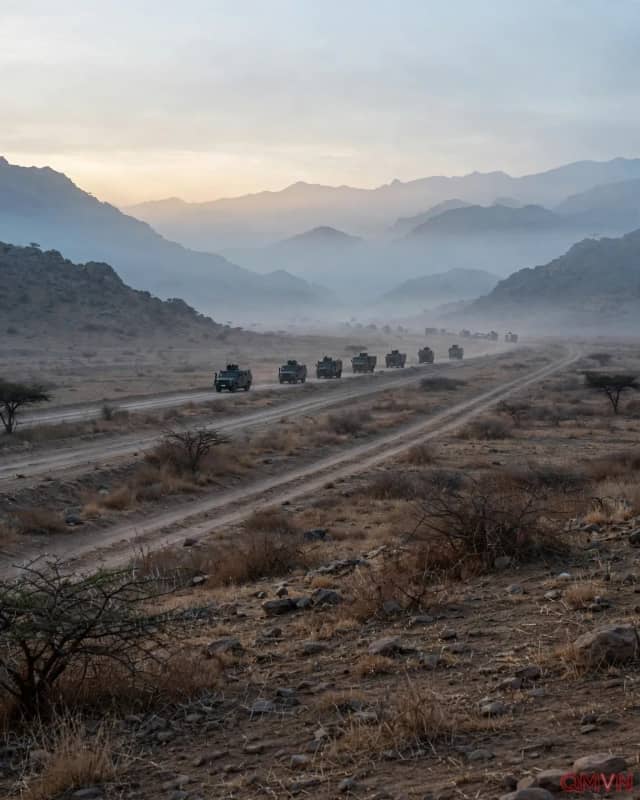
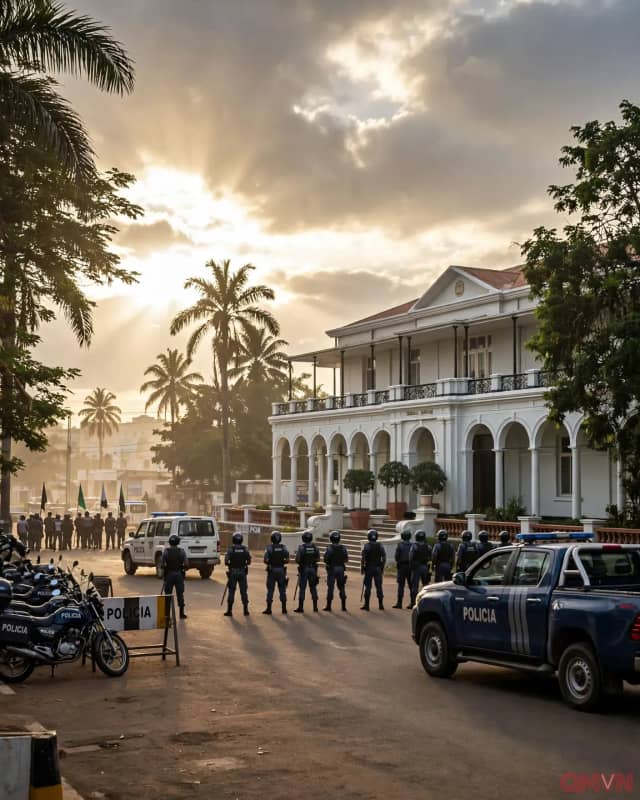
On the evening of August 29, Niamey became the focal point of a series of coordinated and intense attacks targeting key government facilities. The uprising included major assaults on the presidential palace and Air Force Base 101, located within the Diori Hamani airport area. Leading the rebellion were young officers from the special forces stationed in Ouallam, approximately 100 kilometers north of Niamey. They employed heavy weaponry to seize the presidential palace and simultaneously besieged several other critical military sites.
In addition to attacks on the palace and the air force base, fierce gunfights erupted at the Bassora camp, home to the national guard stationed near the airport, escalating tensions significantly. One of the next strategic targets for the rebels was the headquarters of Radio Télévision du Niger, the country's key public broadcasting center. Although the rebels failed to capture this facility, national television broadcasts were disrupted until 10 a.m. the following day. This blackout created a temporary information blackout, heightening confusion and anxiety among the public and government alike.
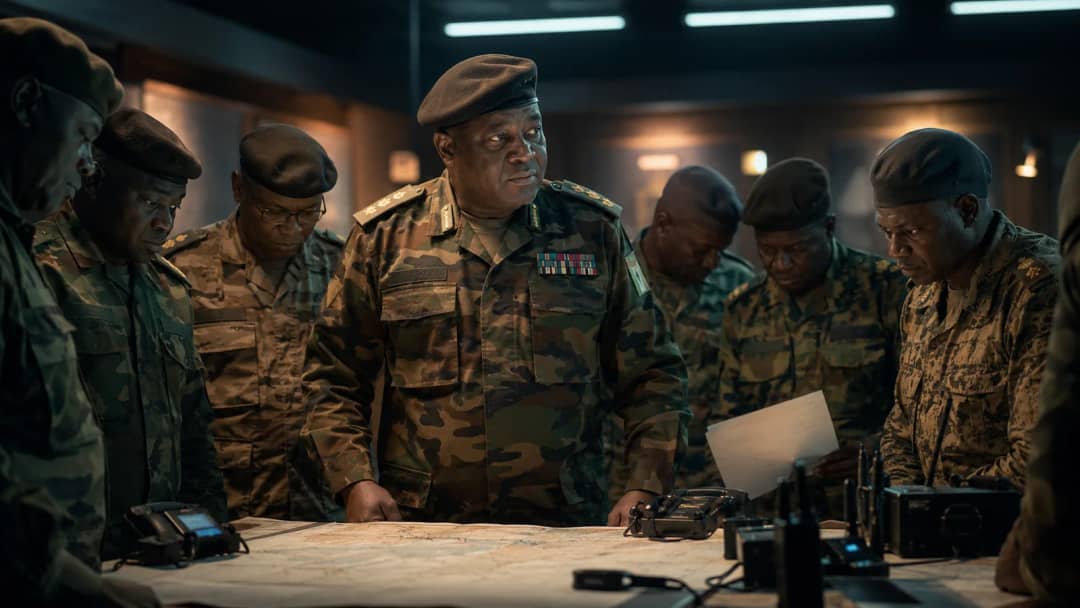
It was only after Defense Minister General Salifou Mody issued an official statement via the restored television broadcast that the people of Niger felt somewhat reassured, while the military government reinforced its stance on controlling the situation. These developments clearly demonstrate the rebels' careful planning and high level of organization, as they targeted the most critical military and media sites to alter Niger's current political landscape. Securing these key positions not only weakens the existing authority but also lays the groundwork for subsequent moves to seize control of the country.