MAIN CONTENT
A warning that changed the diplomatic weather
The confrontation began against a backdrop of cautious optimism. Xi and Takaichi had met at the APEC gathering in South Korea on October 31, 2025, and agreed to seek stable relations. Days later, on November 7, Takaichi told Japan’s parliament that an attack on Taiwan could become a threat to Japan’s survival under certain circumstances. Her formulation did not promise automatic intervention, but it made a sensitive military contingency unusually explicit for a sitting Japanese leader.
China demanded that the remarks be withdrawn on November 13, arguing they departed from the spirit of the countries’ diplomatic understandings. Beijing also discouraged travel to Japan, while officials from both sides met in Beijing on November 18 without a breakthrough. Tokyo maintained that the prime minister was describing existing security policy rather than announcing a new position on Taiwan. The distinction was central to Japan’s response, but it did not satisfy Beijing.
From political signals to pressure on businesses
The quarrel soon acquired commercial consequences. Chinese authorities indicated renewed barriers to Japanese seafood imports in November 2025. On January 6, 2026, Beijing restricted exports of dual-use products to Japanese military users and activities it said could strengthen Japan’s armed forces.
In February, China added named Japanese entities to export-control measures, including units of Mitsubishi Heavy Industries. Tokyo protested the restrictions.
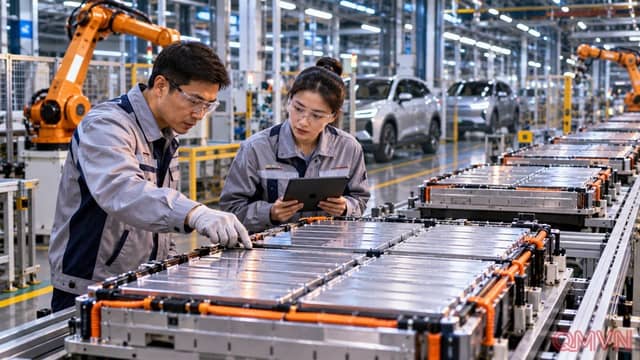
By mid-2026, Japanese businesses were warning of interruptions in supplies of specialized materials. Chinese customs figures cited by Reuters showed no June shipments to Japan of gallium, dysprosium, terbium or yttrium, elements important to advanced manufacturing. These developments demonstrated the vulnerability created when diplomatic friction intersects with concentrated processing capacity. Restrictions were not necessarily uniform across all products and buyers, but the uncertainty itself complicated planning for manufacturers whose production cycles depend on reliable inputs.
Two interpretations of Taiwan, one unresolved dispute
Japan’s 1972 joint communiqué recognized the government of the People’s Republic of China as the sole legal government of China and said Japan understood and respected Beijing’s position concerning Taiwan. The wording remains a reference point, but the parties draw different political implications from it. China insists Taiwan is an internal matter and opposes what it considers foreign interference. Japan, a US treaty ally geographically close to Taiwan, argues that regional stability is inseparable from its national security.
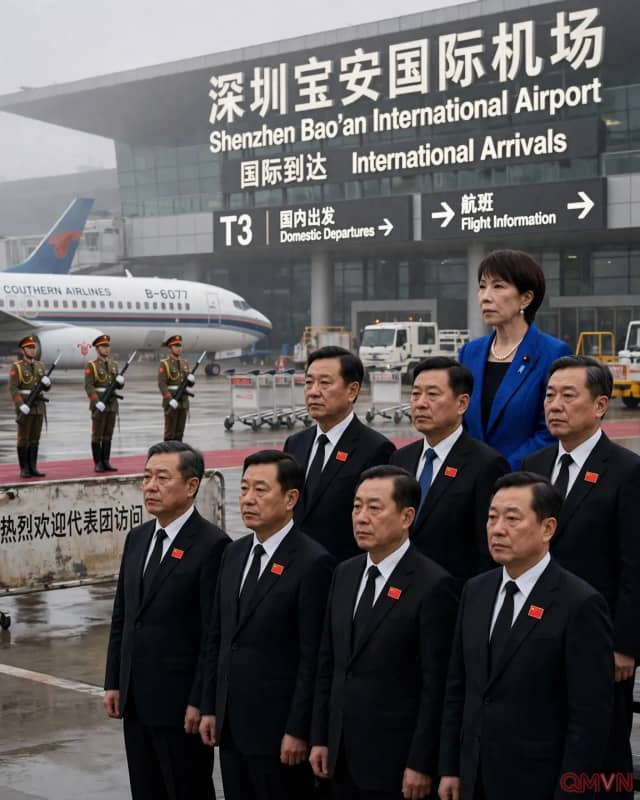
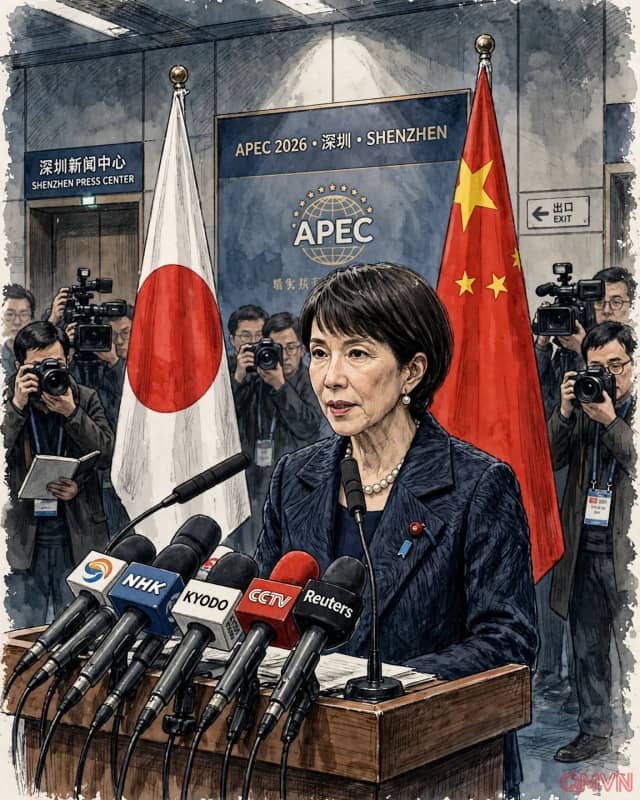
On January 26, Takaichi clarified that Japan would not automatically enter a war merely because China and the United States fought over Taiwan; she did not retract the earlier statement. In Shenzhen on November 19, she again said Japan’s Taiwan position had not changed since 1972. The issue is therefore not only what Tokyo’s formal policy says. It is also how openly its leaders discuss hypothetical military responses, and whether Beijing sees those statements as deterrence or provocation.
A handshake without a diplomatic reset
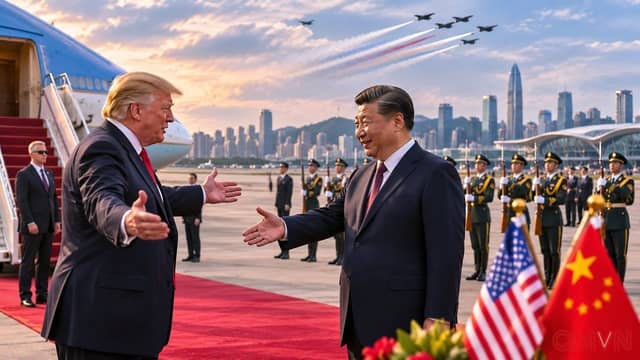
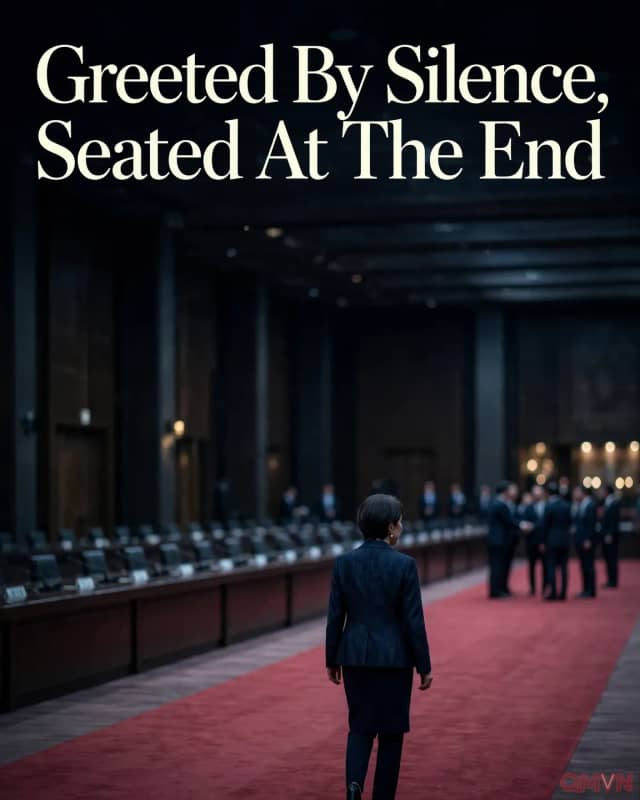
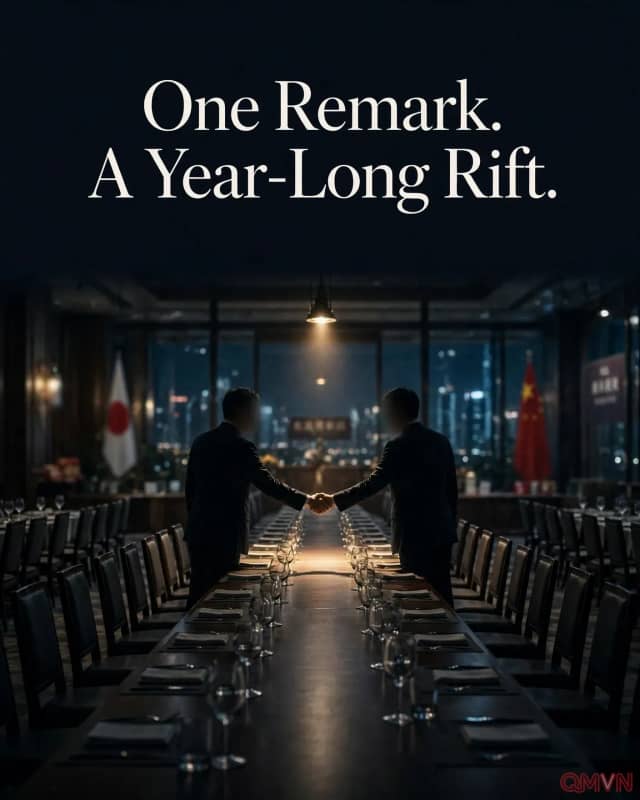
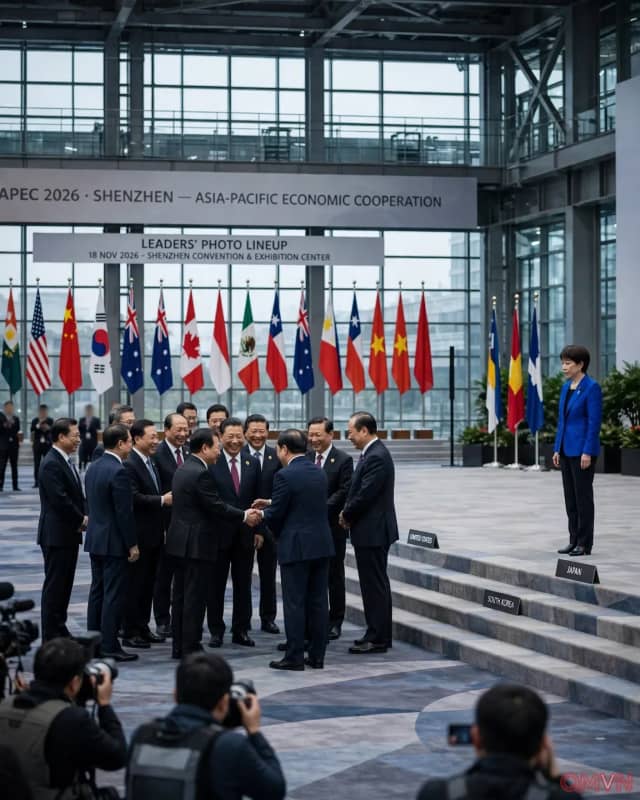
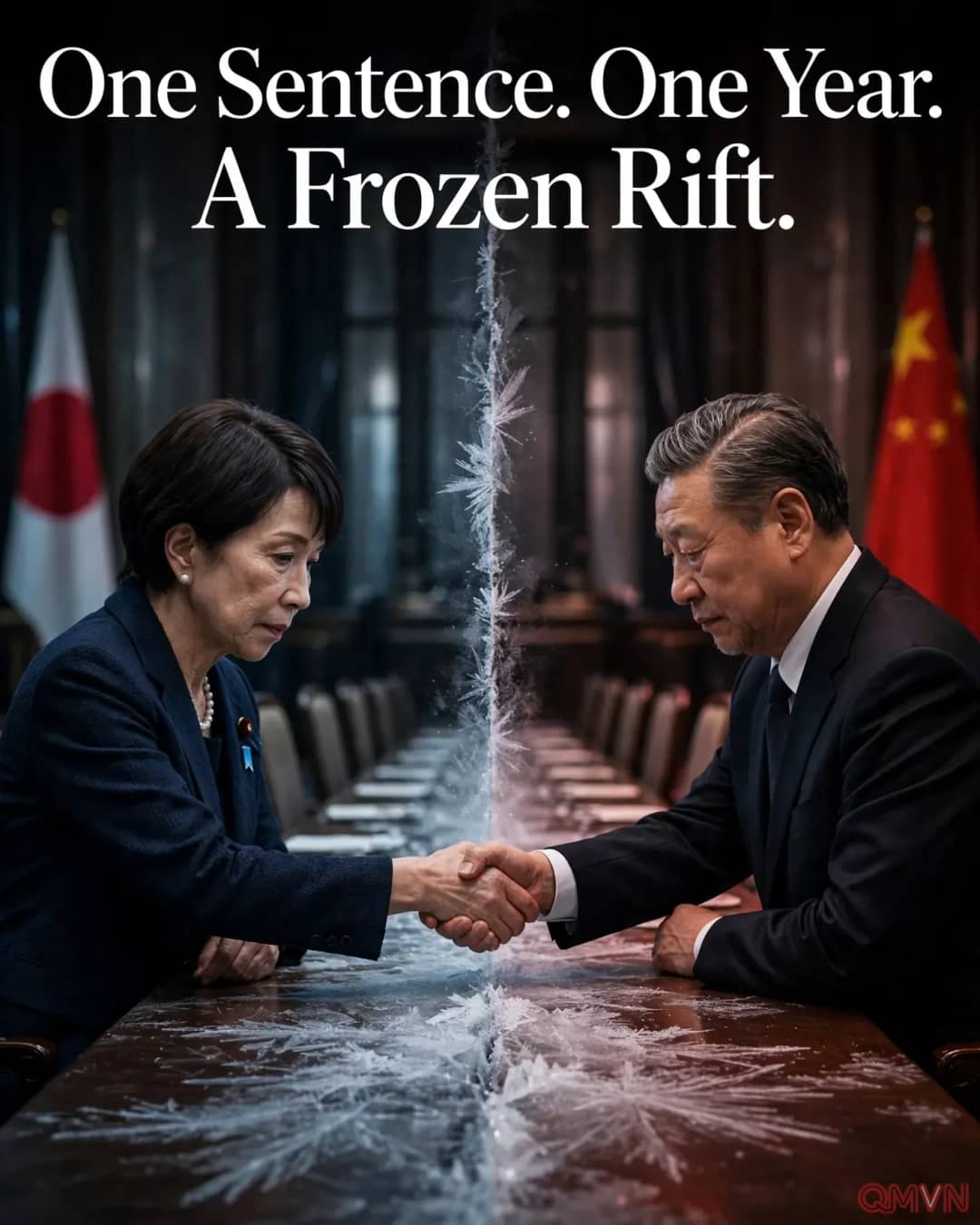
The November 2026 APEC summit offered a visible measure of the relationship. Xi and Takaichi exchanged greetings, but no one-on-one discussion followed. Reuters described a subdued reception for Japan’s prime minister compared with the more ceremonial welcomes given to several other leaders. Japan’s government rejected the characterization that she had been deliberately slighted. Neither the choreography nor the denials, however, changed the substantive distance between the two capitals.
There are also limits to wider easing. Reuters reported that China’s temporary suspension of some export controls under a trade understanding with Washington did not remove the separate restrictions concerning dual-use exports to Japan. For Tokyo, dependable access to materials has become a strategic concern alongside Taiwan. For Beijing, economic measures help signal political red lines. Rebuilding trust will require more than an encounter before cameras: it will require clear communication, practical protections for commerce and a way to manage disagreement without making ordinary economic activity hostage to each confrontation.