MAIN STORY
A softer message under electoral pressure
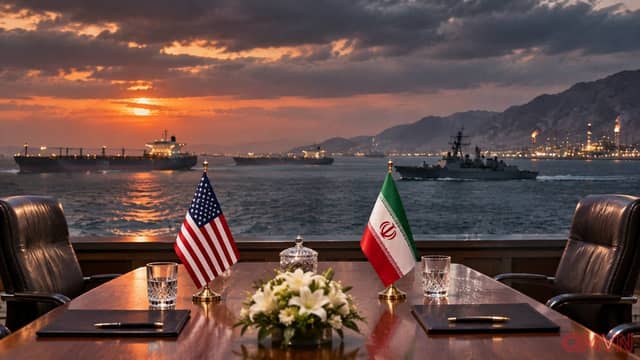
After a campaign appearance in Washington on November 2, Trump answered “no” when reporters asked whether he was contemplating strikes on Iran after the midterms. That brief response mattered because the administration had previously left open the possibility of a larger military campaign once Americans had voted. Reuters reported that Trump believed the Iranian side wanted an agreement and that such an outcome “could happen.” A change in tone, however, is not the same as a negotiated ceasefire.
On November 3, US officials confirmed limited military action against targets on Qeshm Island, close to the Strait of Hormuz. Officials characterized it as defensive rather than the start of a broad new offensive. The precise sequence, damage and competing accounts of the incident were not independently established in the initial reporting. Distinguishing limited operations from the threatened large-scale escalation is essential to understanding how the president’s comments coexist with continued violence.
Domestic politics lends the remarks urgency. Months of conflict have elevated fuel prices and intensified anxiety about living costs, leaving the administration vulnerable to voter dissatisfaction. A pledge to pursue diplomacy can therefore speak to Americans’ wallets as well as to regional governments. But even a decisive electoral outcome would not erase the security disputes accumulated over many years.