MAIN CONTENT
A withdrawal carrying several meanings
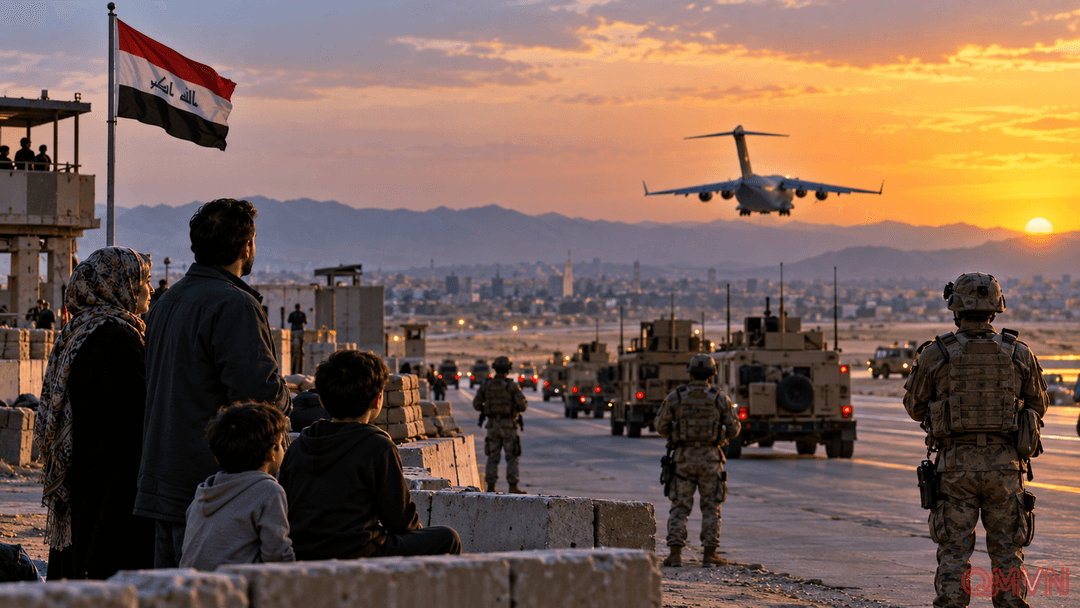
At Erbil, home to the coalition’s final base in Iraq, the departure was both a closing ceremony and a test of the Iraqi state. The Pentagon said the coalition’s anti-ISIS military mission in Iraq had concluded, while Reuters described public sentiment as a mixture of celebration, relief and unease. Blast walls that once divided Baghdad have been removed in many places, while malls, restaurants and construction sites are busy again. Those ordinary scenes matter because they show a society trying to reclaim routines that years of bombings, insurgency and sectarian violence had taken away.
Yet a flag raised over a base does not automatically produce complete sovereignty. Sovereignty also means the ability to defend airspace and borders, regulate financial systems and ensure that the legitimate use of armed force ultimately belongs to the state. Iraq still has to navigate relationships with Washington and Tehran, two capitals that have profoundly shaped its politics and security. The U.S. departure can therefore be an opportunity for Baghdad to define its own future, but it also exposes weaknesses that the coalition presence sometimes helped to mask.