MAIN CONTENT
A reversal few expected
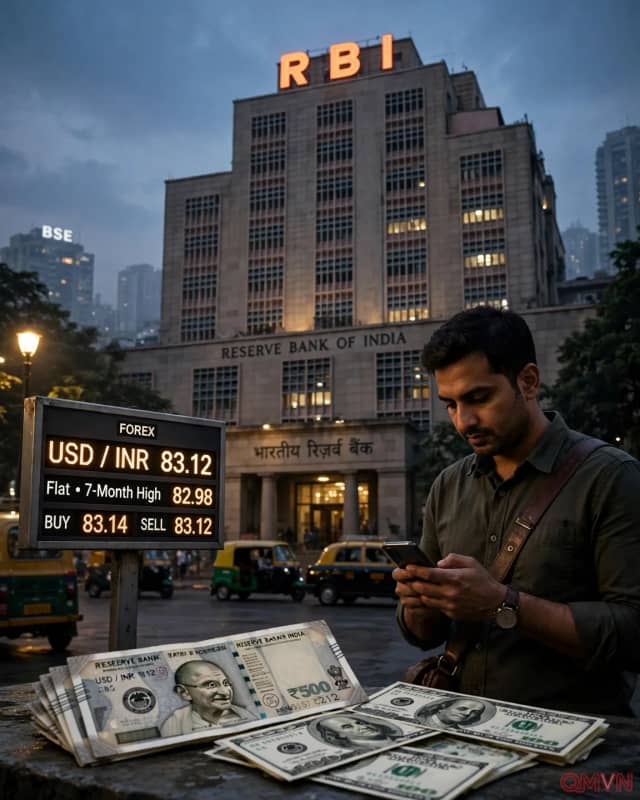
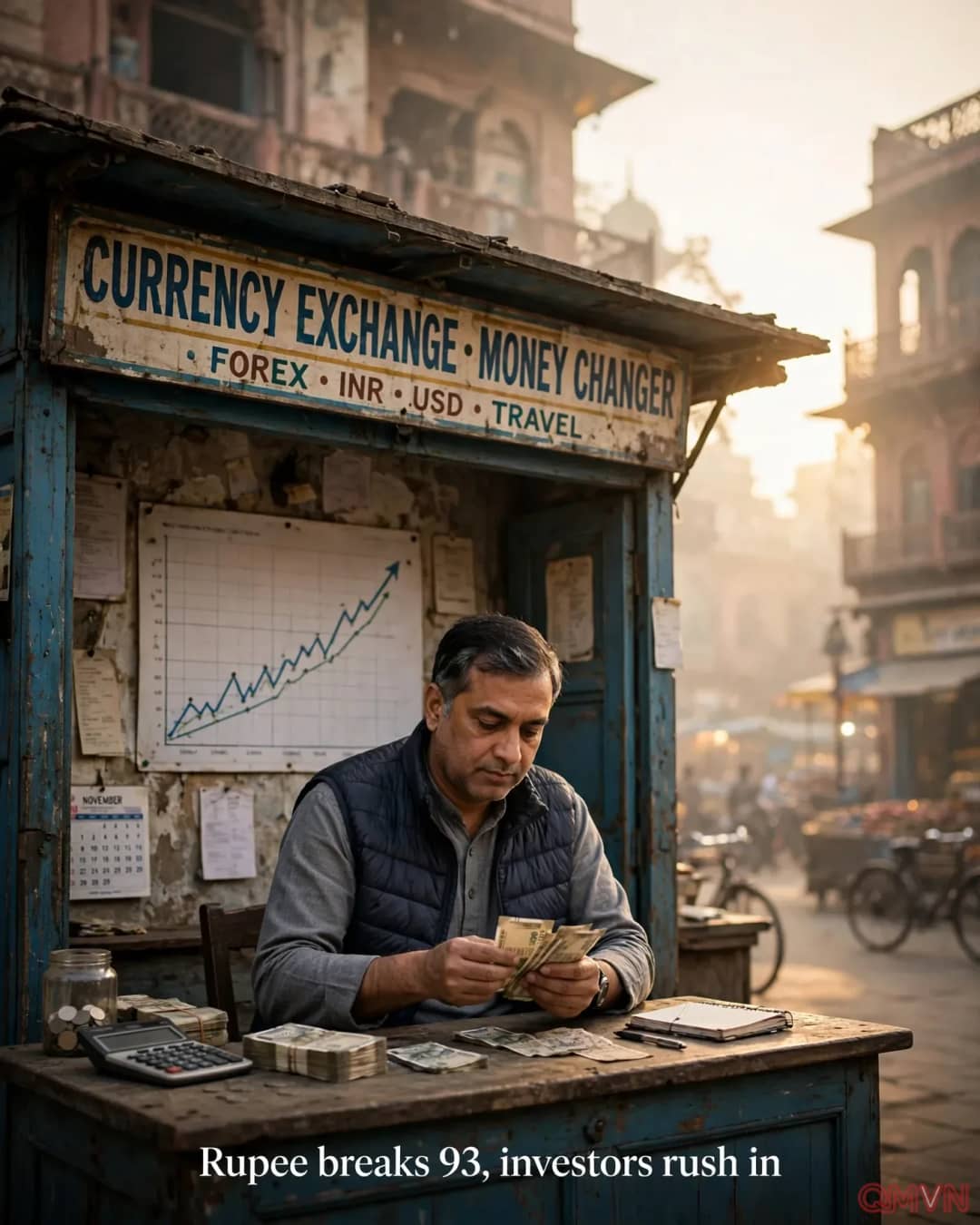
The rupee’s move below 93 per dollar—meaning fewer rupees were needed to purchase one dollar—marked its strongest exchange-rate level since April. According to Reuters, the currency finished Friday at 92.67, reversing a lengthy period when investors were discussing further record lows. The rupee’s loss for 2026 had narrowed to roughly 3%–3.5%, against nearly 8% at its weakest point in May. The improvement was remarkable not simply for its speed, but for its timing: financial markets elsewhere in Asia were being unsettled by a retreat from artificial-intelligence-linked investments.
India’s Nifty 50 benchmark recorded a fourth consecutive weekly gain while a broad regional Asian share index suffered its sharpest weekly fall since March 2020. These different trajectories helped direct investors toward Indian shares, although the idea of India as a lasting refuge remains a market judgment rather than an established guarantee. A rising local share market can attract foreign investment, and those purchases often require converting dollars into rupees, providing immediate support for the currency.
The capital-flow engine
Reuters reported more than $12 billion of foreign investment in Indian shares in November to date, an unprecedented monthly inflow on the cited measure. That arrival followed more than $60 billion of selling from September 2024 through October 2026.
This contrast demonstrates the potential force of changes in international asset allocation: a market previously weighed down by exits can appreciate quickly when investors reassess relative valuations, growth prospects and risks elsewhere.
There were additional incentives. Lower crude prices tend to moderate India’s large oil-import bill, easing the need for importers to obtain dollars. A weaker appetite for overseas AI-linked stocks also encouraged a search for different sources of returns. Yet foreign portfolio flows are inherently reversible. A renewed rise in oil, global interest-rate shocks or a reversal in equity sentiment could recreate the dollar demand that had previously burdened the rupee.
When the sellers of rupees become buyers
Bankers told Reuters that offshore hedge funds were aggressively closing bearish positions against the rupee. To unwind a trade that benefits from depreciation, a participant may need to buy rupees or offset contracts that previously expressed a negative view. This can magnify an advance initiated by ordinary investment flows. The rare premium observed in the offshore non-deliverable forward market suggested that positioning, not only fundamental demand, was changing unusually fast.
Options markets reportedly told a similar story: the relative appetite for protection against rupee weakness eased. But positioning-driven rallies can lose momentum once most sellers have closed their trades. Importers and exporters will therefore matter increasingly. Exporters who had delayed converting dollar receipts may reconsider, while importers may choose whether to hedge their future payments now or wait. Their choices can determine whether the market settles into a more balanced trading range.
What the central bank can and cannot signal
The Reserve Bank of India previously introduced steps to discourage speculative currency positions, attract foreign-currency funds and redirect some oil-import-related demand away from the spot market. Reuters quoted ANZ economist Dhiraj Nim as suggesting that the RBI was allowing appreciation rather than purchasing dollars to set an exchange-rate floor. This is an analyst’s interpretation of policy behavior, not an official undertaking to defend a particular rupee level.
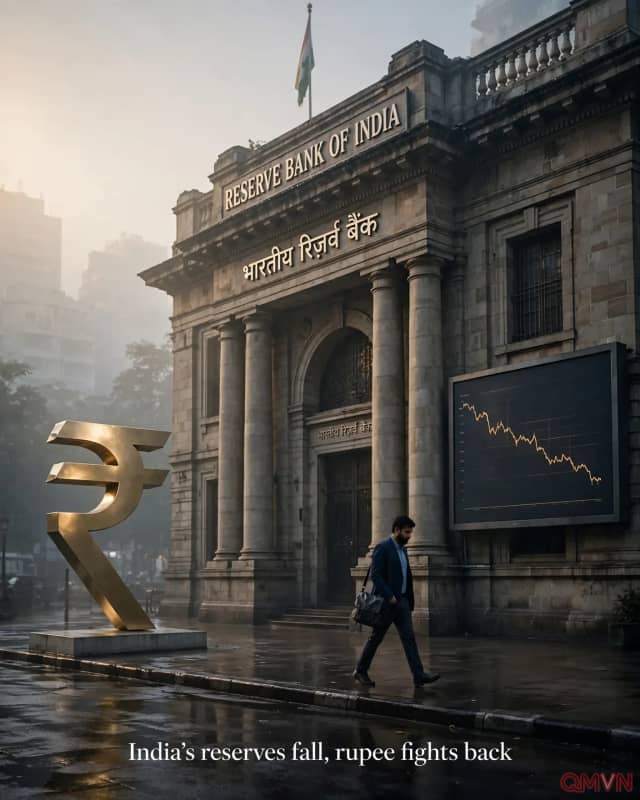
Separately, RBI data released Friday showed reserves at $705.342 billion for November 13, down $14.205 billion on the week, with falls in the reported dollar value of foreign-currency assets and gold holdings. Reserve movements can reflect valuation effects and maturing swaps as well as intervention. The simultaneous appreciation of the rupee and decline in reserves is therefore not a contradiction. For households and companies, the more important question is whether a less volatile exchange rate eventually translates into steadier import costs and investment planning.