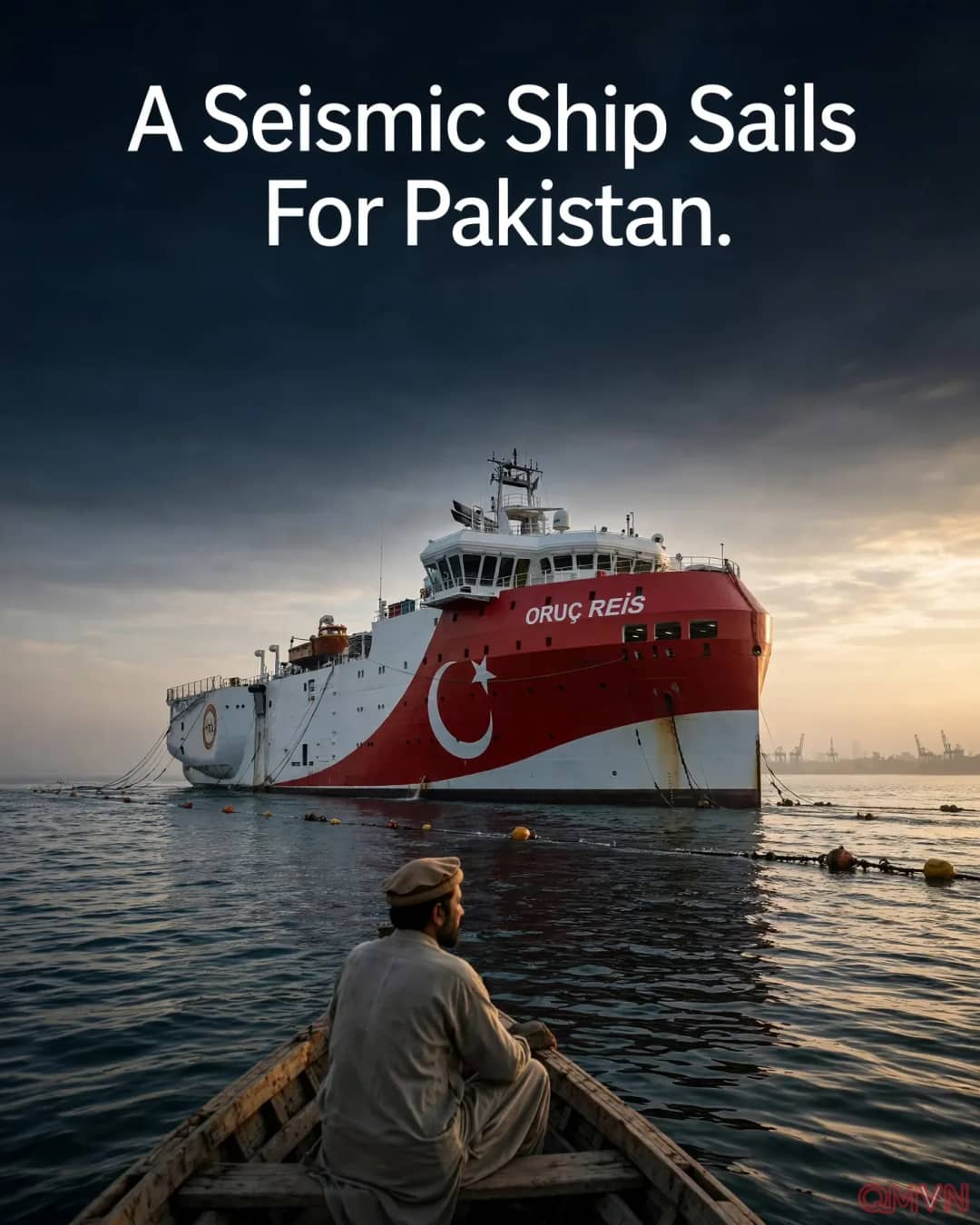
Oruc Reis arrives in Karachi
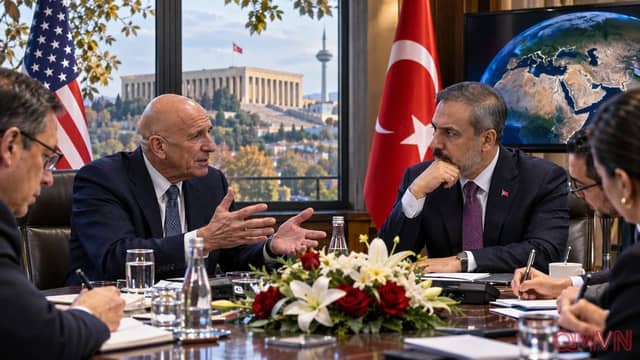
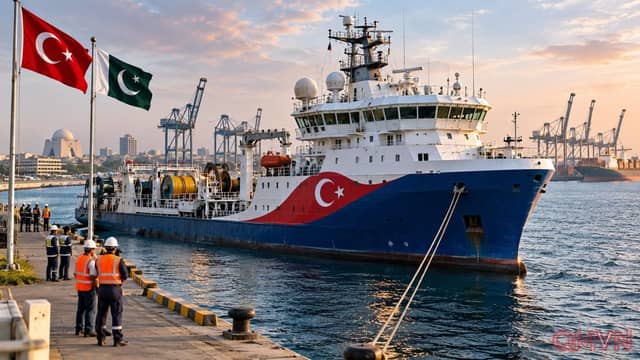
The arrival of Oruc Reis at Karachi Port marks the moment Turkey-Pakistan energy ties move from paper to action. The ceremony drew senior ministers from both countries, reflecting the strategic weight Ankara and Islamabad attach to the project.
On X, Bayraktar stressed that the vessel's surveys were meant to reveal the region's potential, noting that the mission comes at a time of turbulence in world oil and gas markets.
…a strong turning point…
The mission
Turkey's exploration programme in Pakistan includes the following key elements:
- Two- and three-dimensional seismic surveys in the Indus and Makran basins.
- Coverage of three offshore and two onshore fields under the agreements TPAO signed.
- TPAO holds a 25% stake and operatorship in offshore Block-C.
- Drilling is expected to begin in 2027.
Seismic surveys are a crucial step in identifying geological structures that may hold oil and gas before committing to drilling – the most costly and risky stage of offshore exploration.
A partnership built over time
In 2025, Pakistan held its first offshore bidding round in 18 years, awarding 23 of 40 blocks covering about 53,500 square kilometres to consortiums led by local companies, with TPAO among the foreign partners. The winners pledged about $80 million in exploration work over three years.
A study by a US firm pointed to significant yet-to-find potential in the Indus and Makran offshore basins, raising fresh hopes for a country long heavily dependent on imported energy.
Energy security in turbulent times
Last month, Bayraktar said the Pakistan operations had been delayed by about six months due to the war in Iran, a conflict that shook global oil and gas supplies. For Pakistan, finding domestic resources could ease pressure on its balance of payments and strengthen energy security.
For Turkey, Pakistan is a new link in its strategy of expanding exploration abroad. Oruc Reis previously conducted 3D seismic surveys off Somalia from October 2024, and the drillship Çağrı Bey was sent there in early 2026. Ankara is steadily turning its technical capacity into a tool of energy diplomacy.