MAIN ARTICLE
A record low with several causes
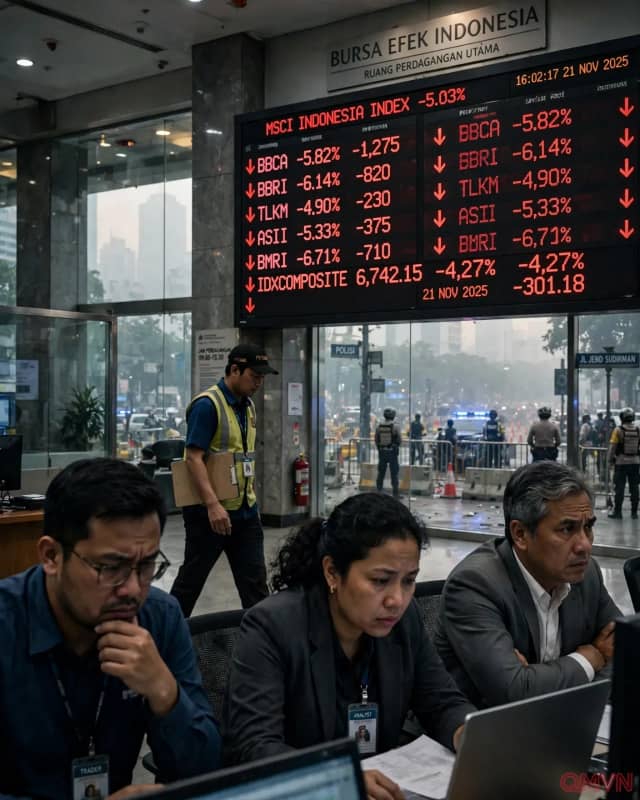
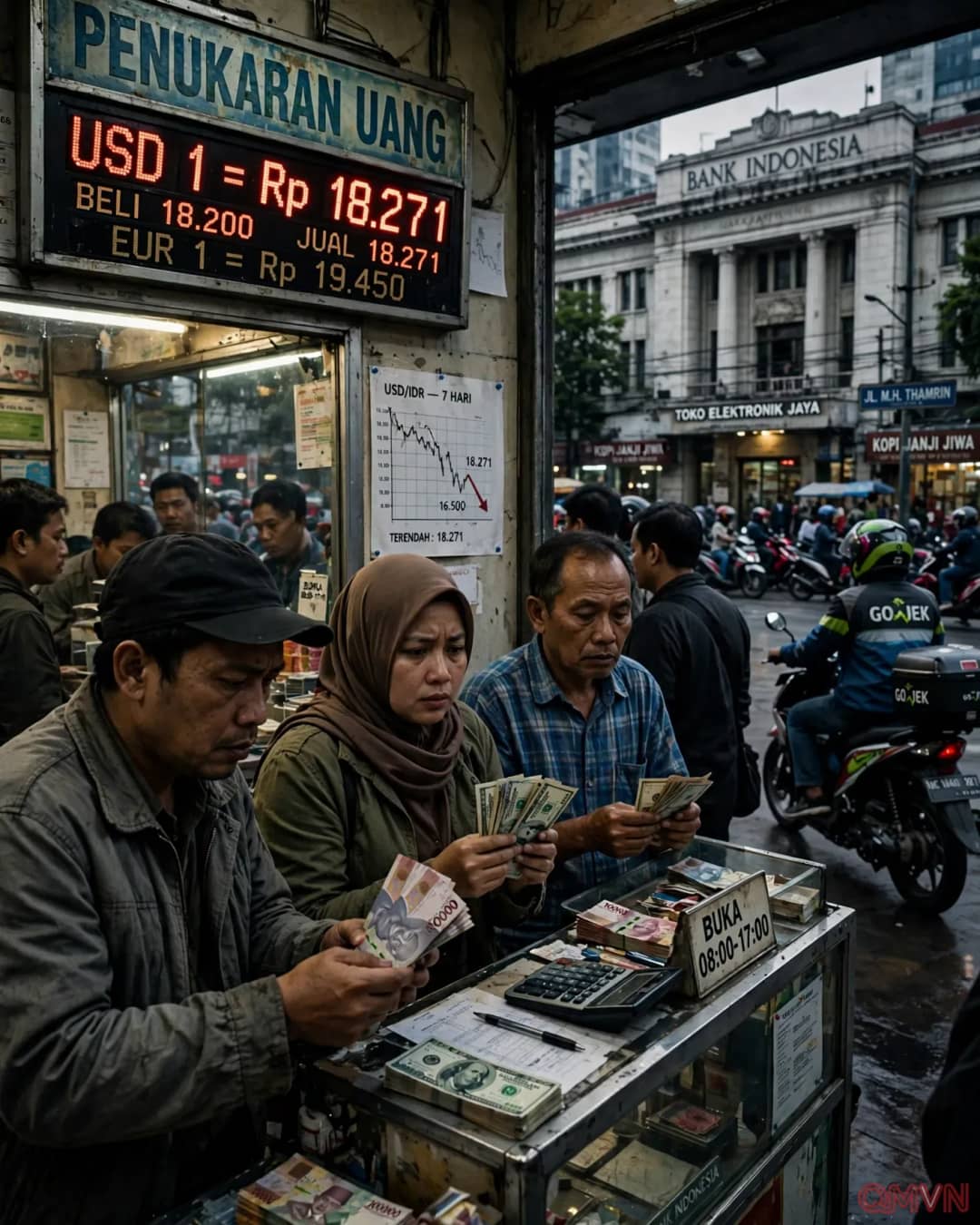
The rupiah fell as much as 0.4% on November 16 to 18,271 per dollar, according to the Bloomberg dispatch republished by The Straits Times. A higher dollar-rupiah quotation means more local currency is needed for each dollar. That intraday low should not be confused with an official reference rate or a closing quote, especially in a volatile market.
Expectations of a more hawkish Federal Reserve have made dollar assets comparatively attractive. Higher US yields can draw interest-sensitive capital away from emerging markets, but the rupiah’s weakness cannot be explained by the dollar alone. Investors are also reassessing country-specific risks and the possibility that portfolio funds will reduce holdings of Indonesian assets.
An Indonesian government market report dated November 12 showed the rupiah down 8.46% for the year at that point. Other Asian currencies had also weakened, but by differing degrees. The contrast suggests that a common global shock is interacting with uncertainty peculiar to Jakarta, even though exchange-rate moves do not provide a precise measure of political risk.