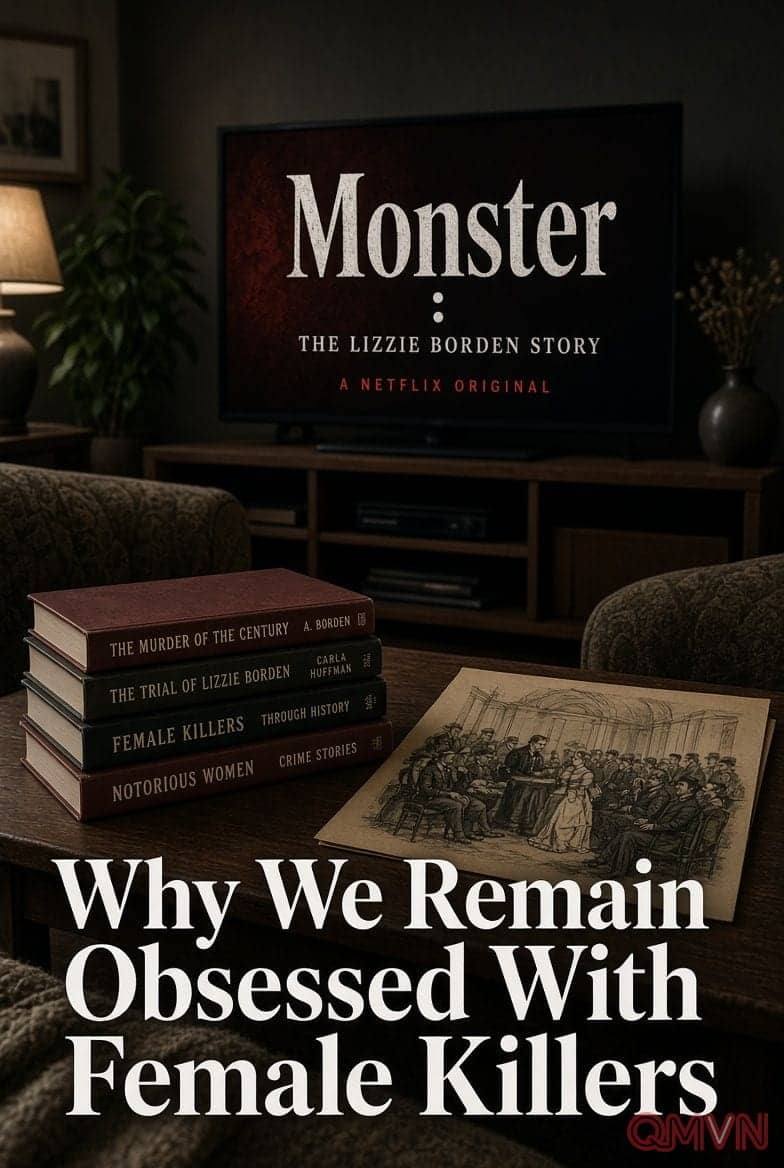
Media Sensationalism and the Mythologizing of Female Perpetrators
More than a century after a jury in New Bedford exonerated Lizzie Borden of the axe murders of her father and stepmother, the case continues to be reinterpreted through numerous television dramas and cinematic adaptations. The latest dramatization framing the historic crime around speculative romantic intrigue exemplifies the ongoing commercial appetite for converting real-life tragedy into sensational entertainment.
Because female killers are statistically extraordinary—accounting for merely seven percent of convicted homicide offenders in England and Wales in recent years—their legal proceedings are systematically amplified into public spectacles. Society habitually forces these women into rigid cultural caricatures: the seductive femme fatale, the wronged victim of domestic abuse, or the incomprehensible monster devoid of human feeling.
Courtrooms as Cultural Mirrors for Legal and Moral Debates
Throughout modern history, landmark trials of female perpetrators have frequently ignited sweeping debates concerning state punishment and social reform. The public hanging of Marie Manning in 1849 drew tens of thousands of onlookers in London and stimulated millions of broadsheet sales, sparking a decisive national reckoning that contributed to the abolition of public executions in Britain.