MAIN CONTENT
A short timetable with demanding conditions
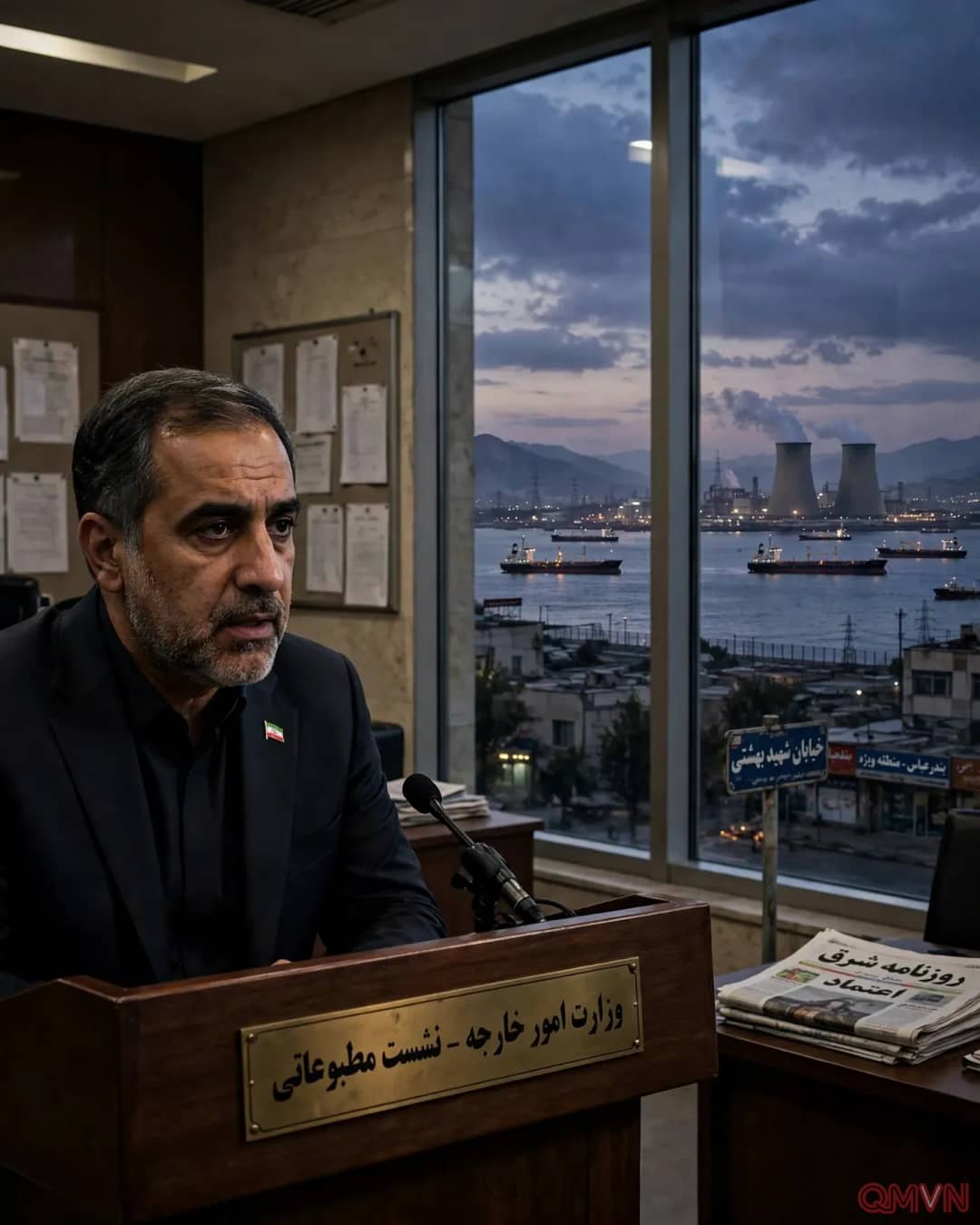
Araghchi describes a sequence in which Washington acts first, meeting obligations Tehran considers essential on day one. Iran would reopen Hormuz and begin final talks on day two. The scheme compresses an earlier seven-day framework, but a shorter clock does not resolve the fundamental dispute over what counts as compliance. Both governments would still need to agree on the exact actions and their verification.
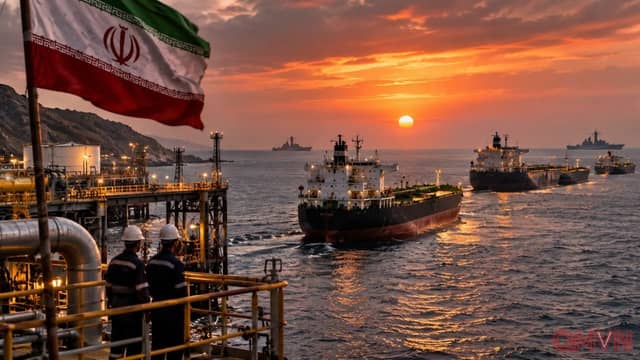
Tehran is calling for an explicit American signal that a settlement is genuinely sought, followed by tangible confidence-building steps. The foreign minister insists the waterway will remain restricted until Iran’s conditions are met. The proposal is therefore a conditional offer, not an agreed reopening date or evidence that shipping can immediately return to normal.
The 60 percent uranium dilemma
Araghchi says Iran will not export its uranium enriched to 60 percent, although he leaves room for a negotiated arrangement within a broader package. His position brings together Tehran’s sovereignty argument and the international demand for credible safeguards.