MAIN ARTICLE
When scrap becomes expensive, collectors struggle to find it
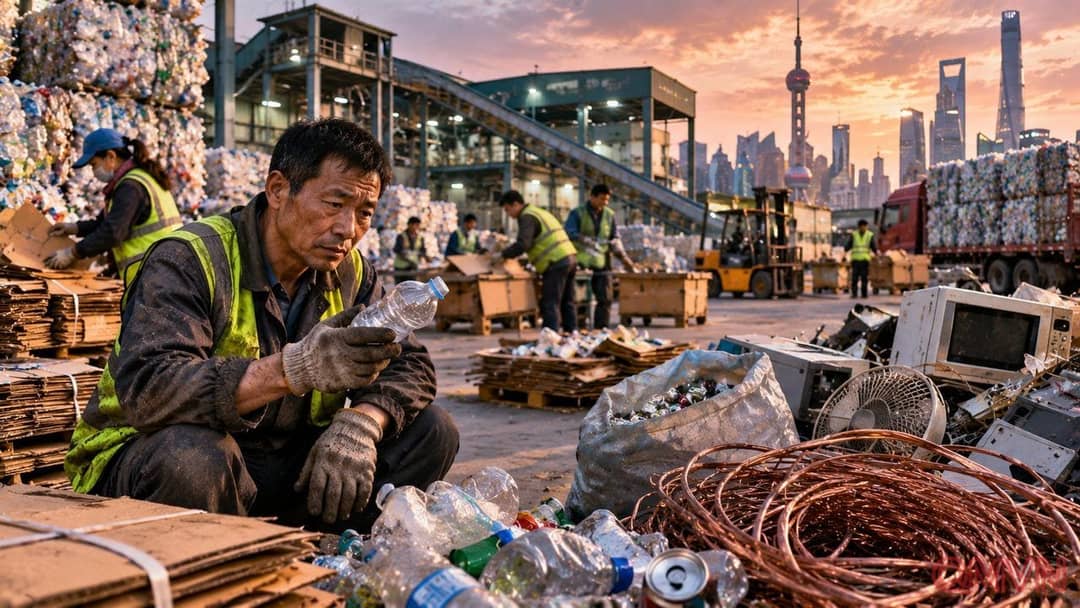
Li Jie, a Shanghai scrap collector interviewed by the South China Morning Post, says cardboard, plastics, copper and aluminium are increasingly difficult to obtain. High prices have attracted companies as well as individual collectors, intensifying competition for relatively small volumes. A load can now be more valuable without containing any more reusable material than it did before.
The reported 63% rise in industry profits during the first nine months, against revenue growth of just 1.8%, points to changes in prices and margins. But an aggregate industry figure is not a guarantee of prosperity for every collector: transport, premises, labour and contamination all influence individual returns. Factories, meanwhile, may defer purchases when input prices exceed what customers are prepared to pay.
Figures from commodity consultancy Sublime China Information cited in the reference report put gains at more than 8% for a ternary-battery scrap index, nearly 11% for used yellow cardboard and over 27% for recycled polyethylene, with scrap copper also up more than 7% over the relevant period. Each figure measures a different material and comparison; none should be mistaken for a universal increase across every category of waste.