MAIN ARTICLE
Two crises, one interconnected security challenge
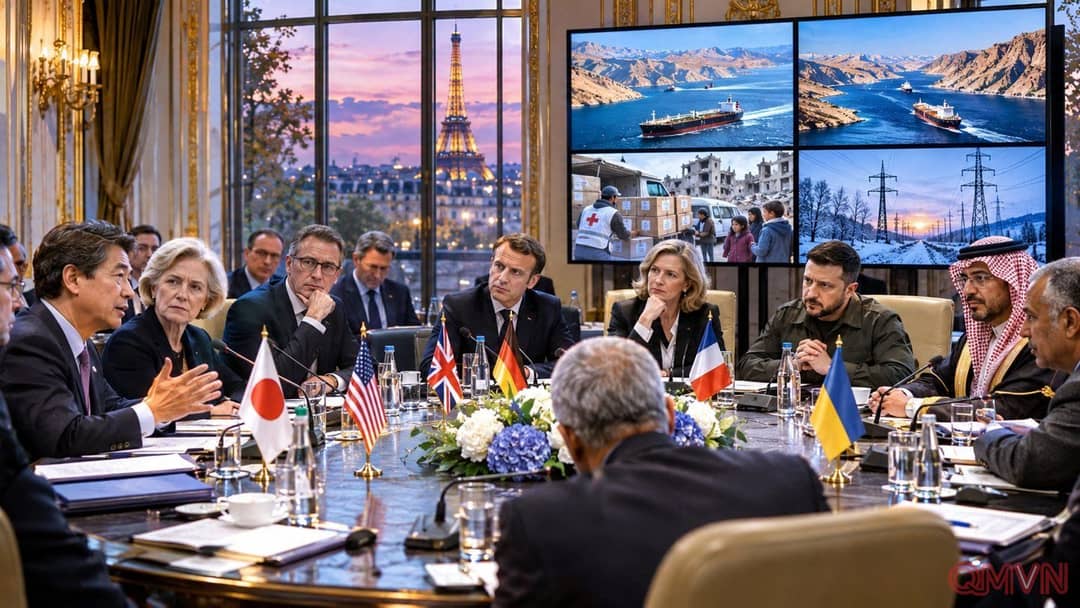
The Paris meeting illustrated how foreign policy is inseparable from household economics. The Strait of Hormuz links Gulf energy producers with global customers, while Bab el-Mandeb controls the southern entrance to the Red Sea route toward the Suez Canal. Instability along either corridor can raise freight costs, insurance premiums and delivery times. Families and businesses thousands of kilometers from the fighting can feel the consequences through energy and consumer prices.
Egyptian Foreign Minister Badr Abdelatty and Saudi Foreign Minister Faisal bin Farhan joined expanded consultations. Egypt said the agenda covered freedom of navigation, energy supply, food security, and the conflicts affecting Yemen, Gaza, Lebanon and Syria. Their participation matters because states closest to the disruption bear immediate economic and humanitarian burdens. Including them offers a way to avoid treating the region simply as a theater for competition among outside powers.
Yemen, Iran and the narrow passage for diplomacy
Japan has particular reasons to care about maritime stability: its manufacturing economy relies heavily on imported energy and seaborne commerce. Foreign Minister Motegi Toshimitsu expressed concern over Yemen's prolonged conflict and underlined the need for a political settlement involving the Houthi movement and its adversaries.