The brick that started a revolution
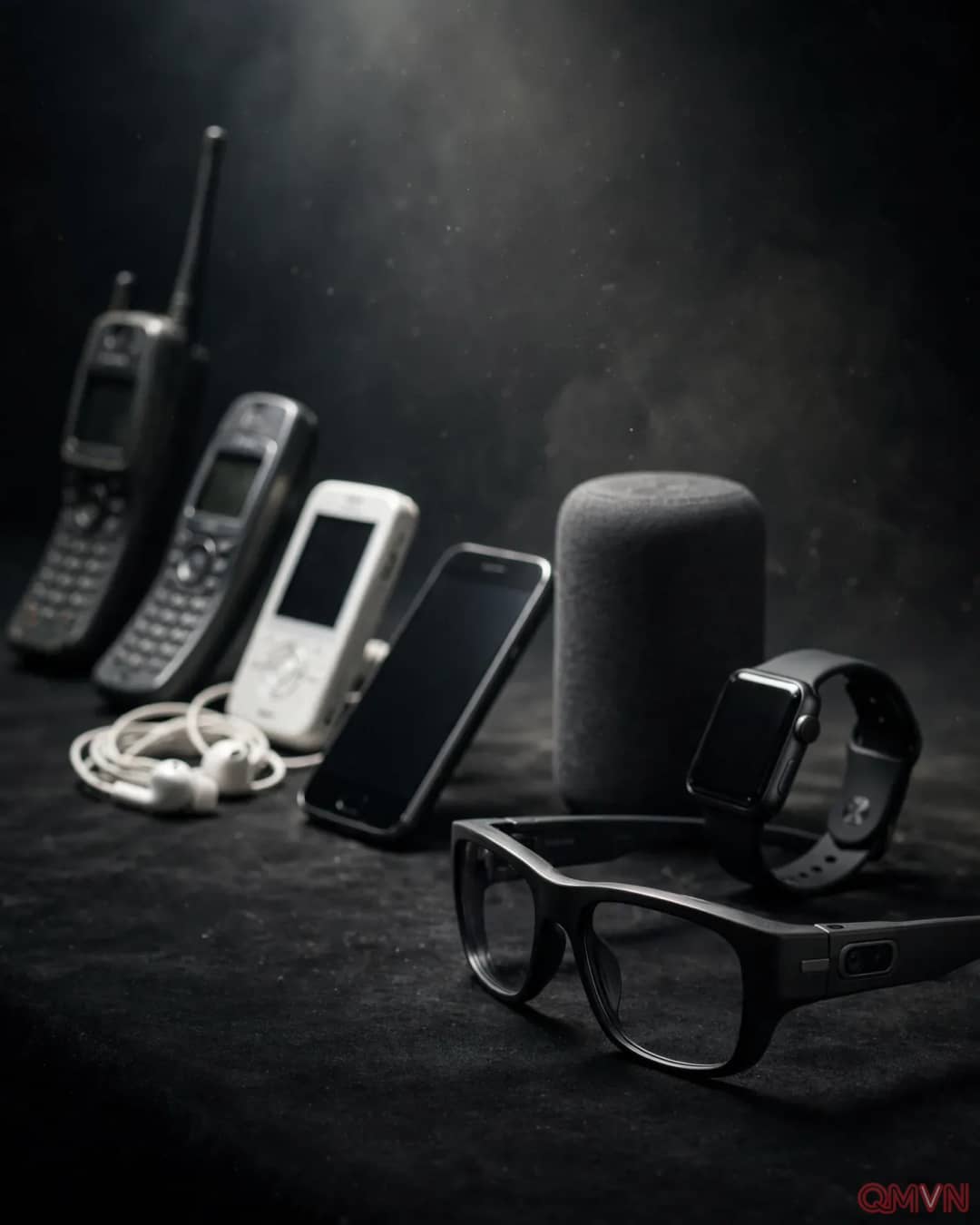
In 1986, Britain’s affluent young professionals found a new way to display success: the brick phone. The Motorola DynaTAC 8000X, with its rubber antenna and room for just 30 numbers, sold for around £3,000 – more than £11,000 in today’s money – yet people still rushed to own one.
Its appeal lay not in convenience but in status. The battery lasted roughly half an hour of talk and took hours to recharge. Even so, according to market research cited by The Independent, UK sales of portable phones more than doubled between 1985 and 1986, from about 10,500 to 24,000.
Those first owners were envied and mocked in equal measure. Few could have imagined that the same object, shrunk and transformed, would one day sit in the pockets of billions of people.
Midnight queues and the age of desire
By the mid-1990s, gadgets had left the boardroom for the high street. In August 1995, around 150 people queued at midnight outside a PC World in Croydon for Windows 95; weeks later, Sony launched the first PlayStation in Europe at £299 and sold about 50,000 consoles in the UK within months.