MAIN ARTICLE
A second rejection raises the stakes
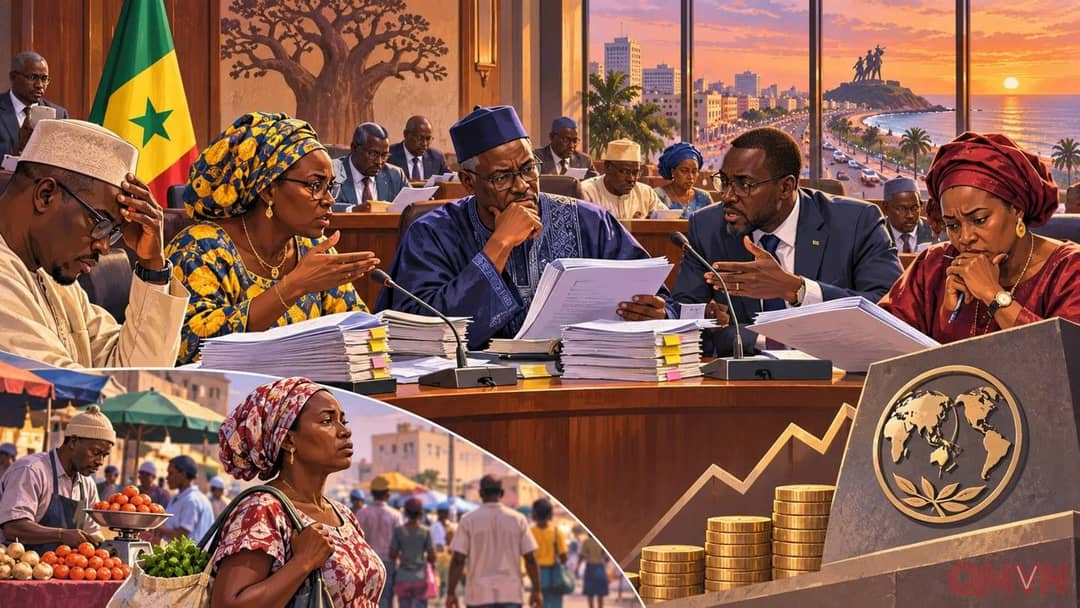
On October 30, the finance committee again rejected amendments to the 2026 budget, following an earlier refusal and a decision to reopen examination at the request of Finance Minister Cheikh Diba. PASTEF lawmakers said the government’s latest explanations remained inadequate. A committee rejection does not necessarily close the entire parliamentary process, but it narrows the room for a swift fiscal agreement.
The objections concern more than headline spending totals. Legislators want access to documentation, clearer scrutiny of special funds and convincing action on living costs. When fundamental budget information is disputed, uncertainty can erode confidence and make financing more expensive even before a final parliamentary vote.
An IMF agreement is not a disbursement
On September 1, IMF staff reached a staff-level agreement with Senegal on a proposed 36-month Extended Credit Facility worth roughly $2.2 billion. The IMF explicitly said the arrangement requires management and Executive Board approval, financing assurances and corrective steps related to earlier debt misreporting.