MAIN CONTENT
A nationwide target, starting from a smaller base
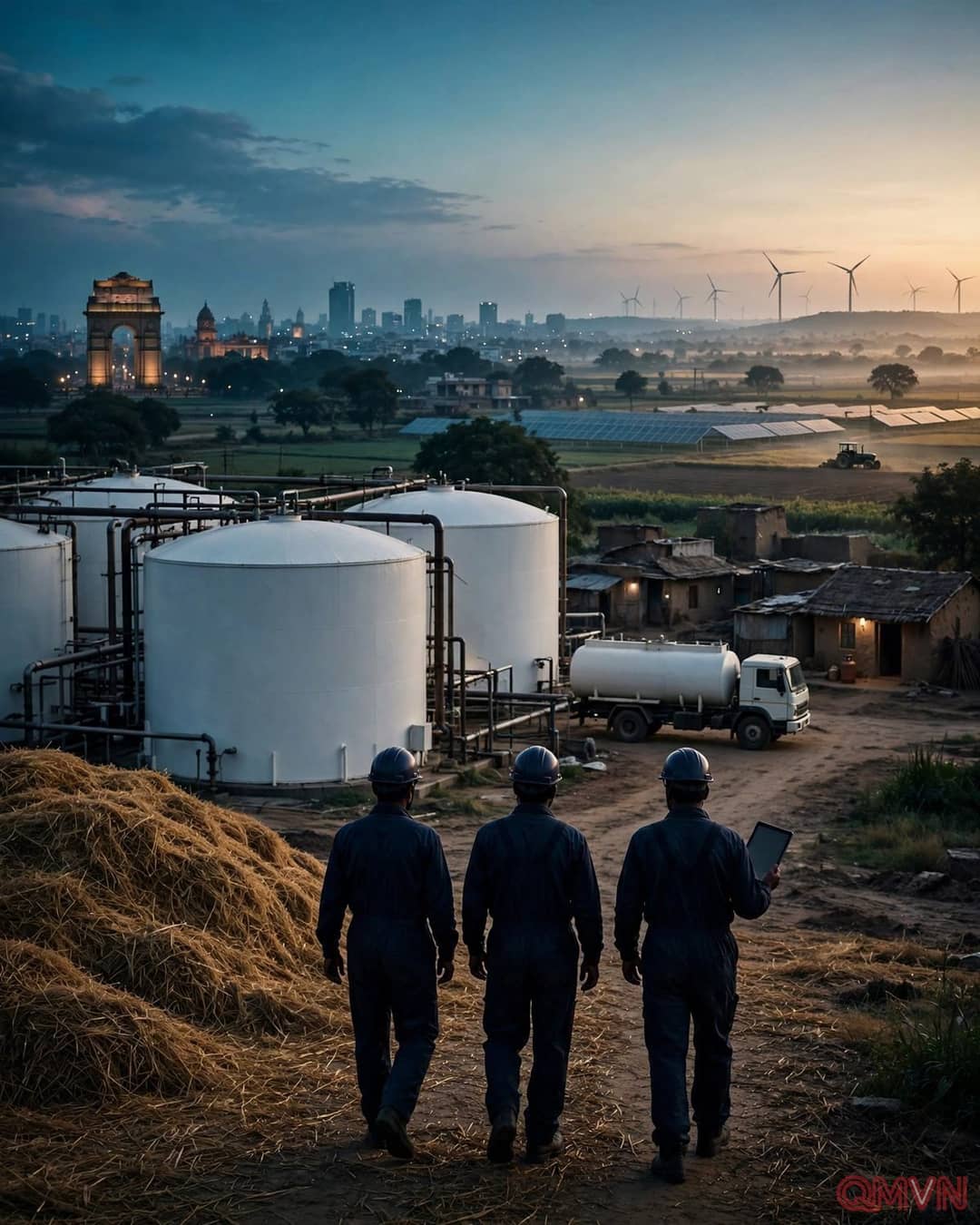
Reliance’s proposed network of roughly 100 compressed biogas plants would substantially broaden its footprint across India. Rathi said the company already has facilities in 10 states and will build wherever agricultural residue can be sourced. That geographical approach makes feedstock availability, rather than simply proximity to big cities, a key factor in where capital is deployed. The announced 150-billion-rupee cost is a plan for investment through 2030, not evidence that every facility has been built or financed. The eventual pace will depend on permits, construction and operational performance.
The company currently reports production of 350 metric tons of biogas per day from 45 plants working at reduced utilisation. It expects 10 additional plants by the end of March 2027 and envisages total daily output of 1,100 metric tons at that point, which Rathi equated to about 1.5 million to two million cubic metres. These figures describe different units and future milestones; they should not be mistaken for realised capacity today. The 2030 aspiration of five million cubic metres a day therefore represents both an expansion of assets and an operational challenge.