MAIN CONTENT
A judgment that has not yet delivered relief
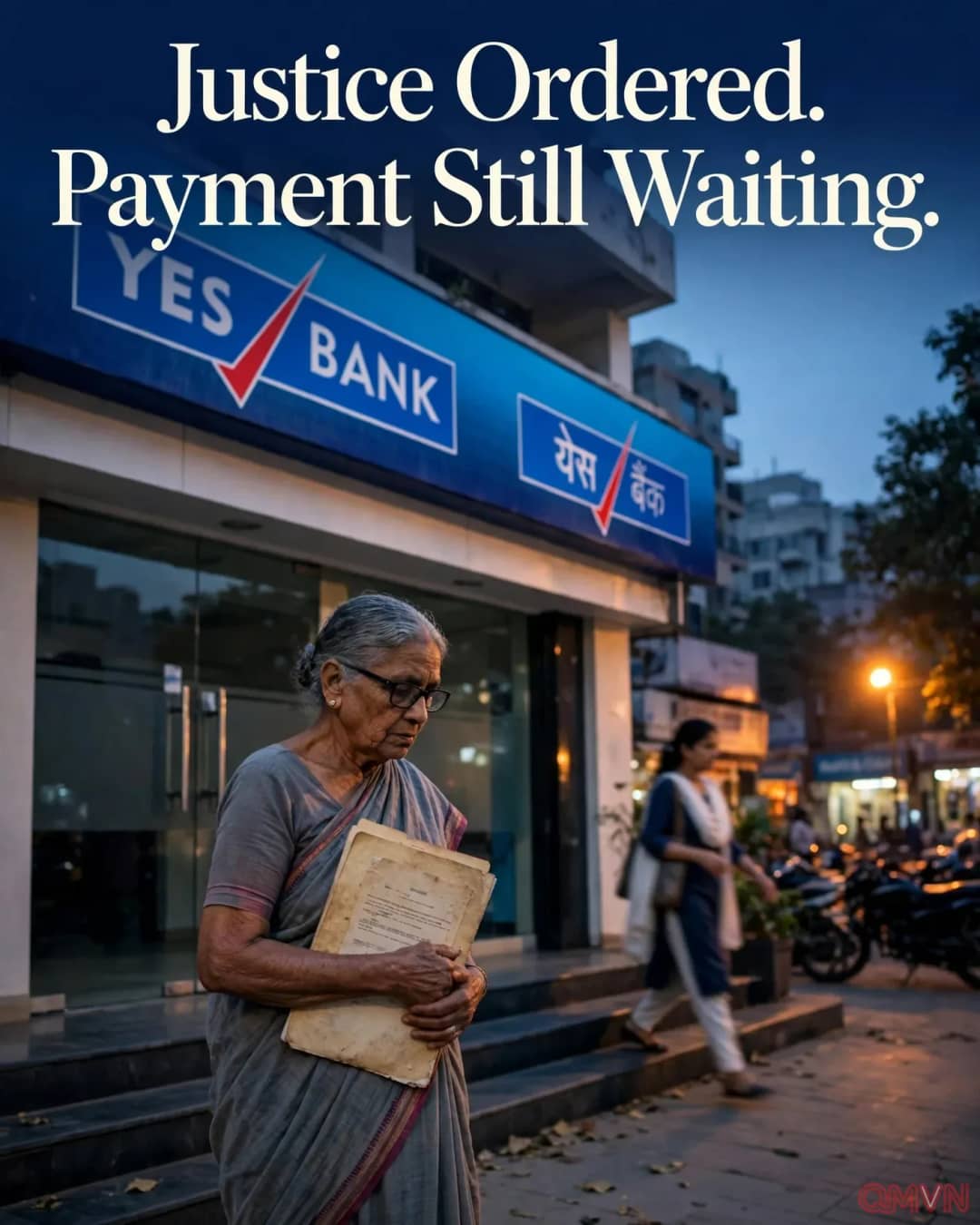
The Supreme Court's October 15, 2026 decision upheld the invalidation of the bond write-off imposed during Yes Bank's March 2020 restructuring. The legal issue centered on the authority and procedure used to extinguish the securities. For investors who saw the entire value of their holdings disappear, the ruling signaled a potential path toward restoration, rather than an immediate payment of cash.
Yet implementation has stalled amid further litigation. Yes Bank filed a review petition, and the RBI separately asked the Supreme Court to reconsider the decision. Such applications do not, by themselves, settle what each holder will receive or when. The distinction matters: a favorable judgment, an operational plan to reinstate securities and any resulting coupon payments are different stages of the same dispute.
The bondholders ask who protects the investor
In their November 18 letter, investors questioned why the country's banking supervisor was supporting another challenge instead of overseeing implementation of the ruling. Reuters reported that the letter described the RBI as absent from its responsibility for protecting the investing public and the integrity of the banking system. The criticism reflects frustration after years in which investors say their funds remained inaccessible.