MAIN ARTICLE
A tag cannot enforce a court order by itself
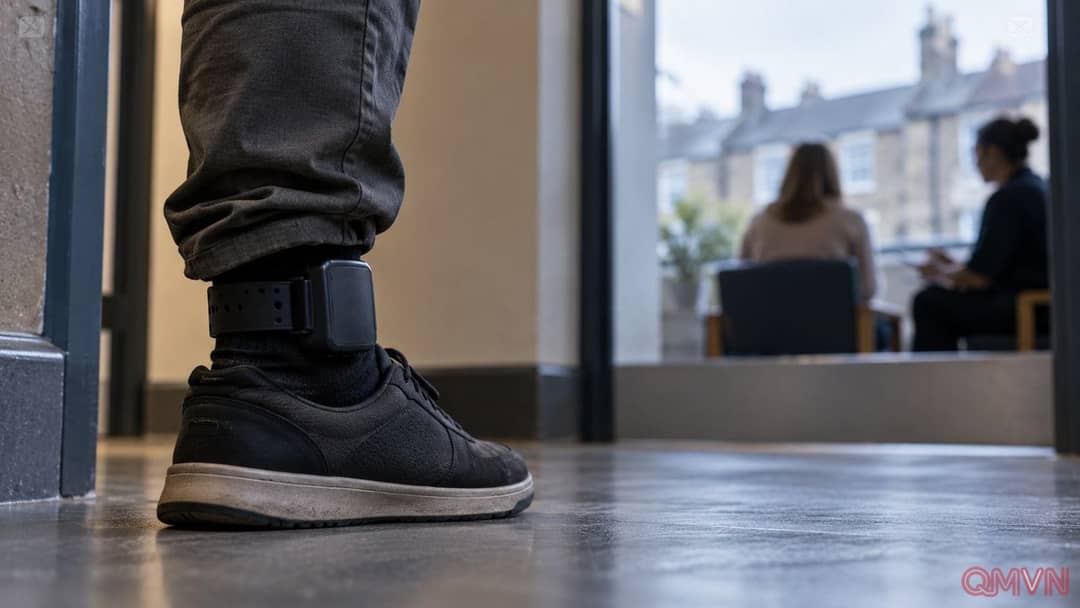
The joint inspection of probation and policing exposes a gap between a condition written into an order and monitoring that actually begins. Only 55 percent of location devices were fitted promptly, according to figures reported by The Times. Delays of up to five months in some cases do not imply that everyone affected posed a danger. They do mean an intended layer of supervision was absent for a period. To an outsider, a person ordered to wear a device and a person already wearing one may look equally “monitored”; operationally, they are very different.
Electronic monitoring covers distinct conditions. A curfew device checks presence at a specified address at certain times; a GPS device records movements and can flag entry into a prohibited area; an alcohol monitor serves another purpose. Each generates information, but none independently decides whether a pattern is dangerous, contacts a victim or changes a court decision. Chief Inspector of Probation Martin Jones has warned that the expansion of monitoring has outrun the systems, processes and frontline practice required to make it effective.
“There is a real danger that electronic monitoring creates a false sense of assurance if the technology is not matched by effective professional practice.” Martin Jones