MAIN CONTENT
A city becomes a diplomatic argument
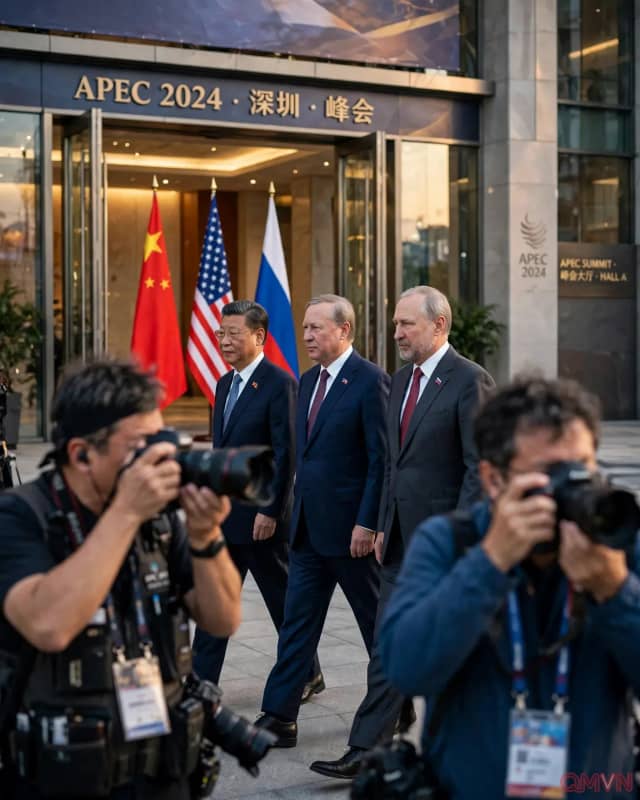
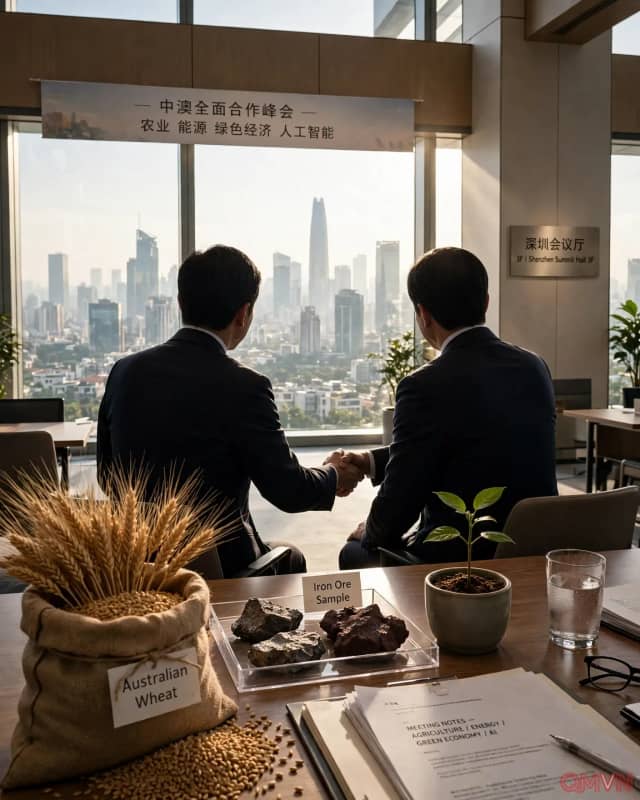
Xinhua's November 21 account of the summit traced a deliberate progression through China's three years as APEC host: Shanghai in 2001, Beijing in 2014 and now Shenzhen in 2026. The sequence cast China's role as shifting from joining regional globalization toward proposing its direction. This was a political interpretation of an economic forum, rather than a position formally endorsed by every member economy. Xi's remarks presented Shenzhen as evidence that opening markets, encouraging investment and experimenting with institutions can alter a city's fortunes across generations.
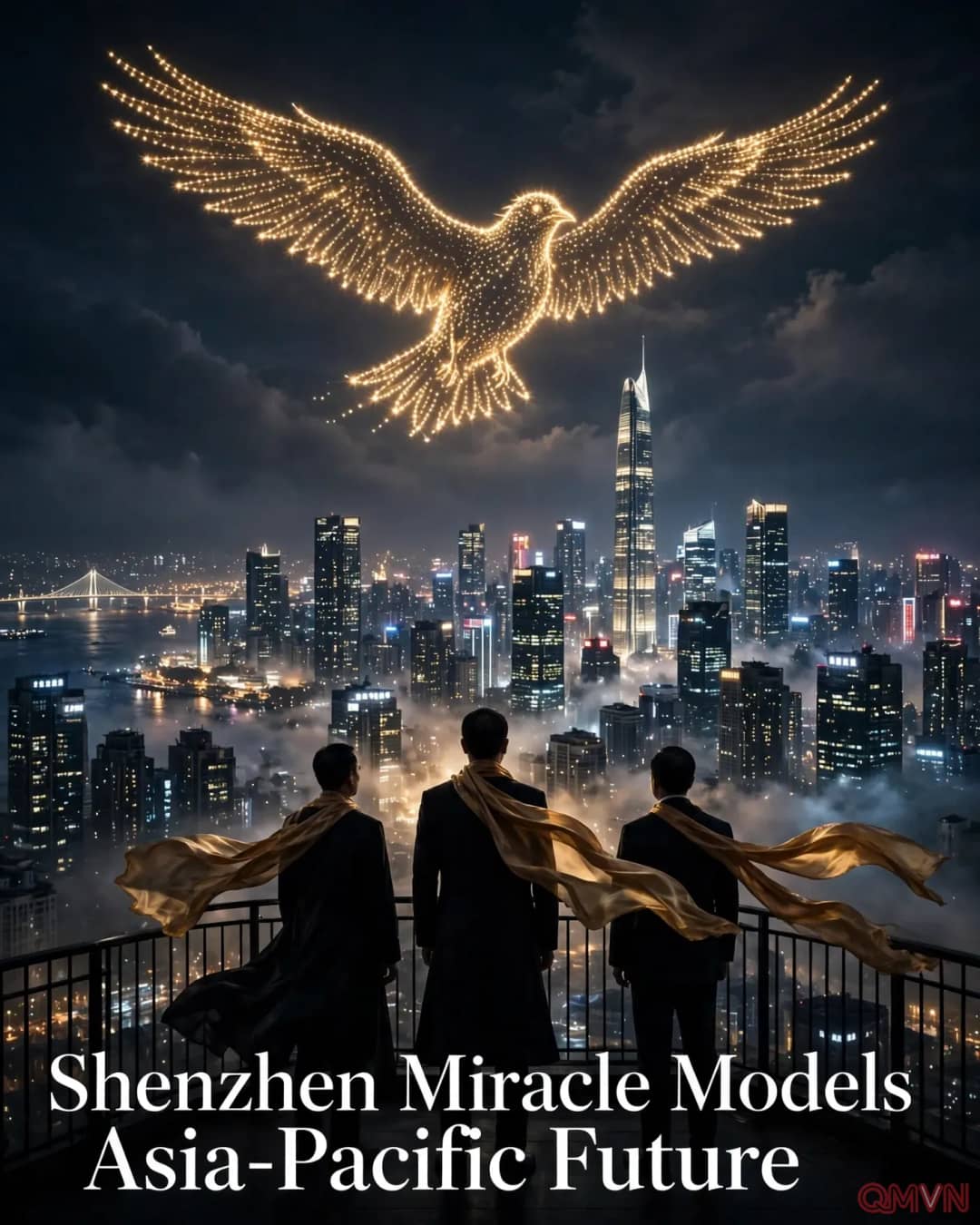
The symbolism was unusually visible. Shenzhen's skyline carried light displays featuring the roc spreading its wings, while leaders posed wearing commemorative silk scarves. Xi's image of Asia-Pacific cooperation flying high was designed to connect a mythic emblem with a contemporary economic promise. The city's 1980 designation as a special economic zone under Deng Xiaoping made it a powerful stage for that message: foreign investment, export manufacturing and later technology entrepreneurship changed both its appearance and place in global supply chains.
The joint agenda beneath the symbolism
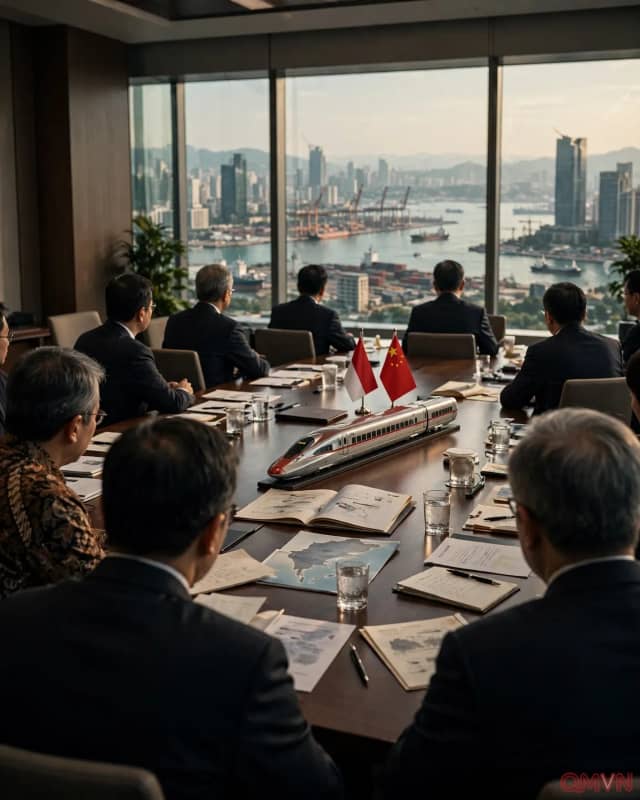
Beyond speeches, APEC's official accounts recorded a leaders' declaration and additional documents on trade, connectivity and innovation. The host-year priorities were openness, innovation and cooperation. Discussions also covered artificial intelligence, digital connectivity, clean energy and small businesses.