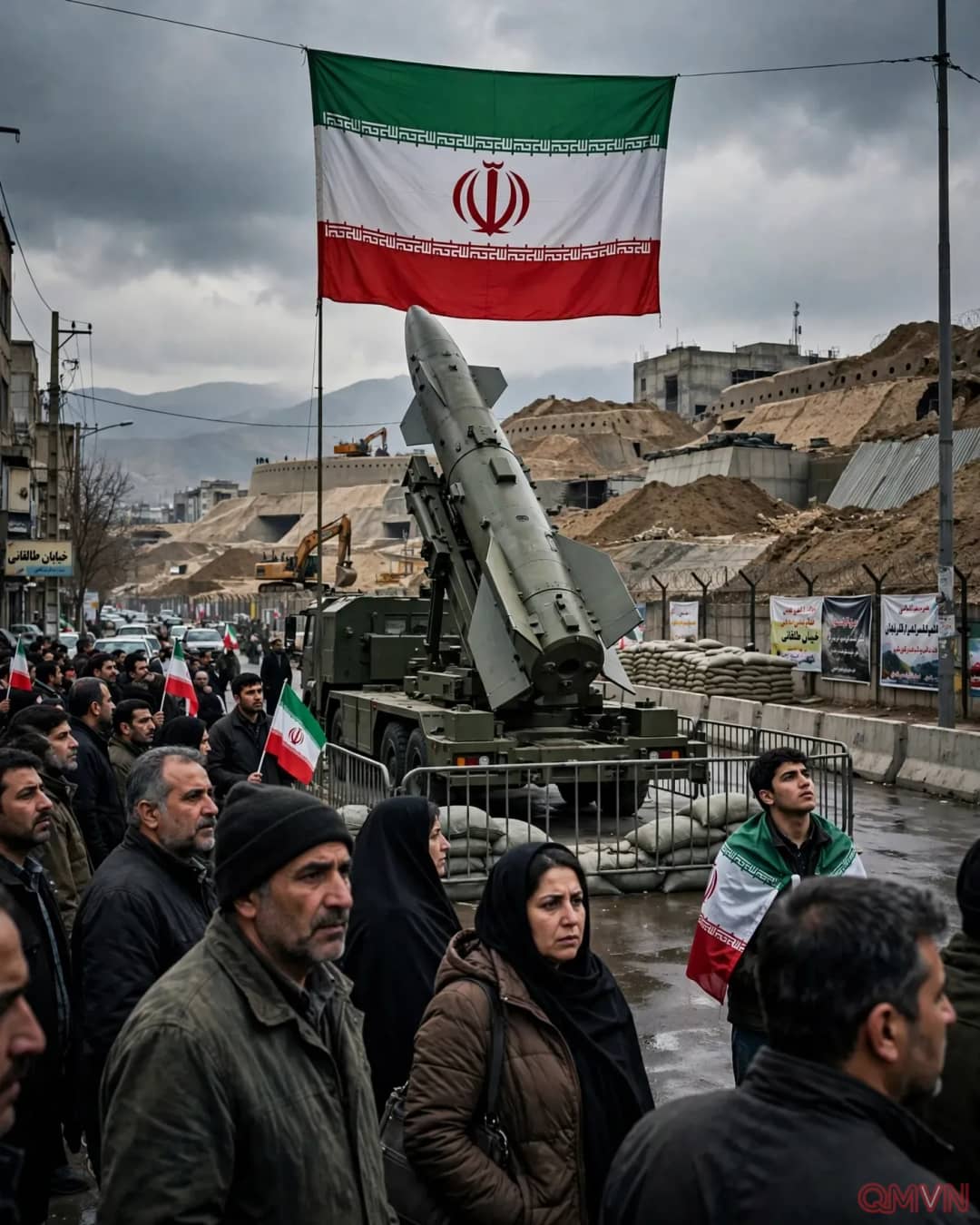
Fortifying from bunkers to seaports
Iran has little ability to defend against advanced US jets, high-altitude bombers or cruise missiles, so Tehran is trying to deter attacks by making them costly. Notable measures include:
Dirt mounds around the Pickaxe Mountain and Natanz nuclear sites to impede any ground raid, according to satellite images analysed by the Institute for Science and International Security.
Strengthening border areas and security-related bunkers.
Shelters and backup supplies at airports, seaports and power plants so they can operate in wartime.
Rebuilding missile and drone facilities and replenishing its arsenal during the pause in fighting.
Supreme leader Mojtaba Khamenei praised the rebuilding work but acknowledged supply-chain struggles.
Threats of region-wide escalation
Iranian officials have warned publicly and in private talks with regional officials that the country will escalate across the Middle East if the US attacks. Top national security official Mohsen Rezaei said Tehran could target the United Arab Emirates, as well as data centres and internet cables in the region; some officials have even hinted at land incursions into neighbouring countries and strikes on Saudi oil facilities.
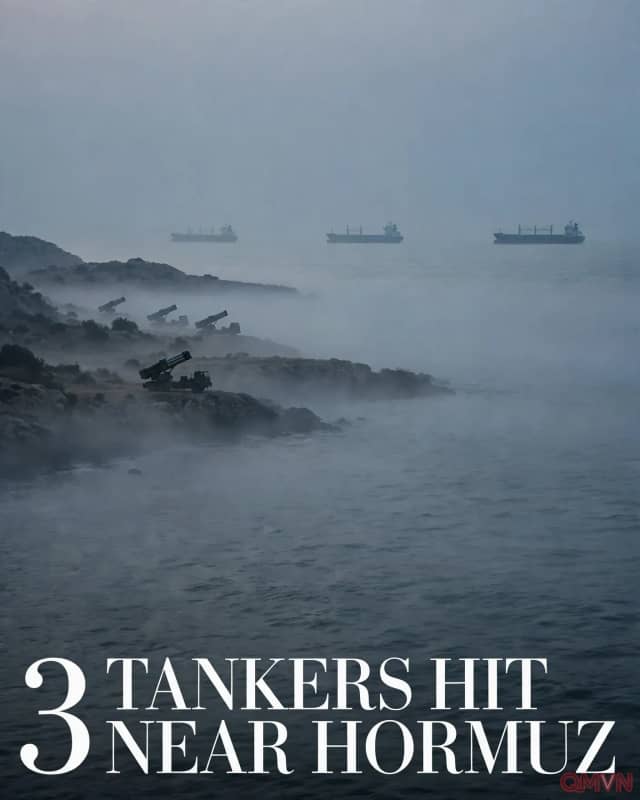
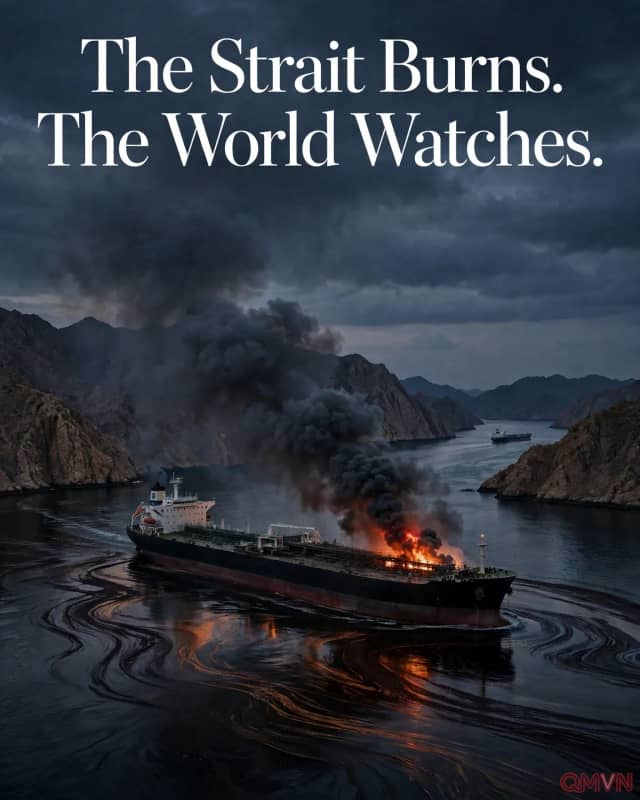
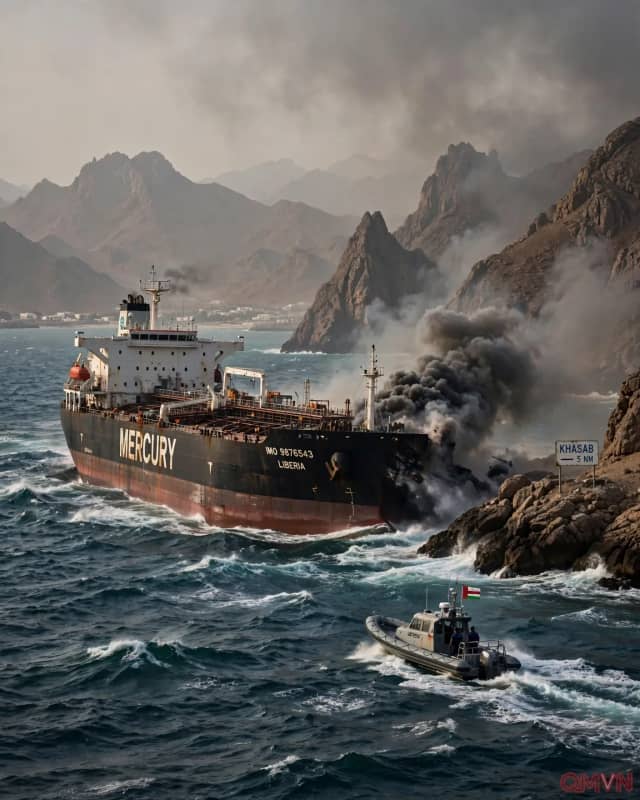
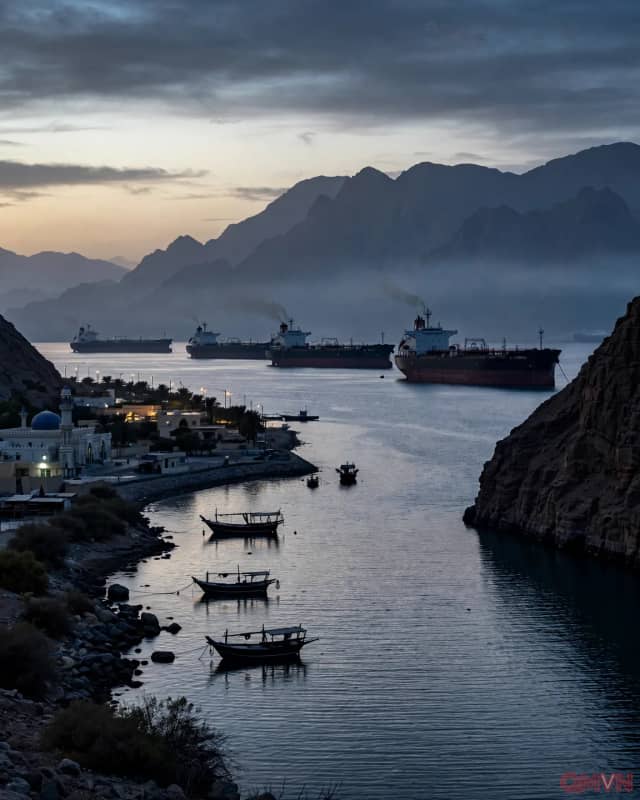
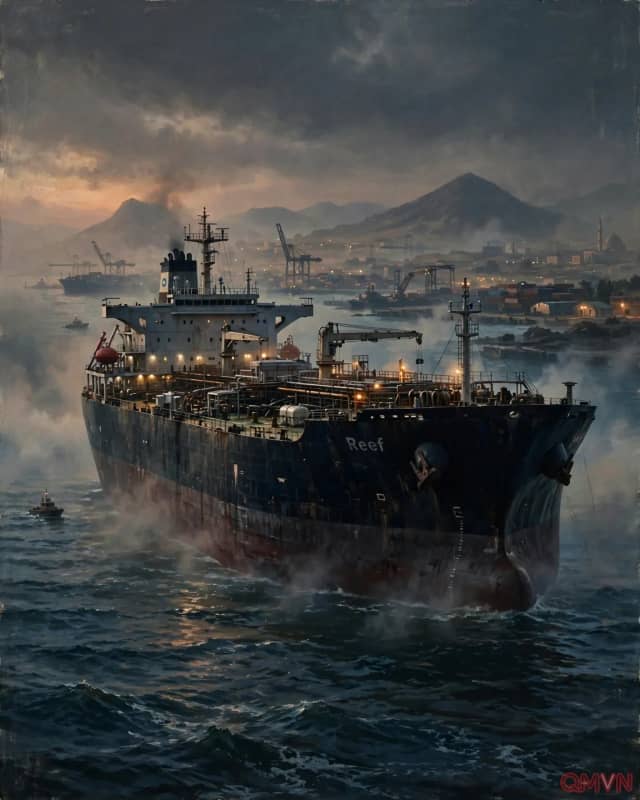
Iran has also told mediators it would target US forces more aggressively, including by trying to sink warships. In September, Iranian missiles came close to American warships. At sea, at least three commercial vessels were hit around the Strait of Hormuz over the weekend, including the Emirati tanker Petro Dolphin, set ablaze near Oman with two Indian sailors missing.
“The war footing is serving them well for now due to an impasse on many fronts—diplomatically, economically and politically.” — Sanam Vakil
Both sides gear up
The United States is preparing too. A third aircraft carrier strike group and another Marine expeditionary unit are heading to the Middle East, and the Pentagon is weighing extra air-defence equipment and munitions. Although Trump has ruled out an attack before the midterms, he has publicly mulled striking Pickaxe Mountain, and the military is preparing a range of options.
Direct fighting between the two countries has largely been on hold since late July, when Trump called off a major escalation, partly over concerns about interceptor supplies. Meanwhile, the US has tightened sanctions, pressed airlines to stop flying to Iran and escorted tankers through Hormuz with growing success.
Mobilising society
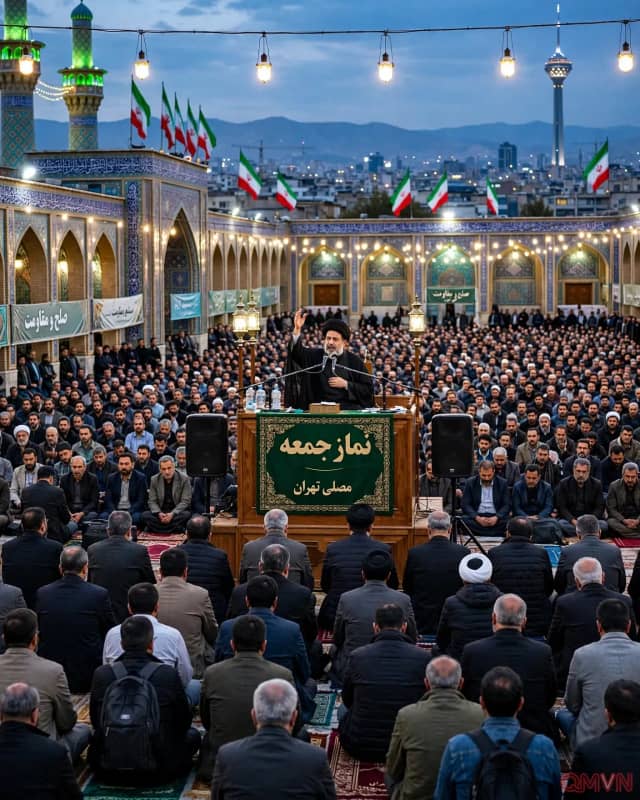
State media broadcast pro-regime rallies daily, and residents say the crowds are growing. Billboards in Tehran invite civilians to train with shoulder-fired anti-aircraft missiles and sniper rifles, and the Revolutionary Guard has showcased its first female commando units. In the city of Sabzevar, a Guard unit visited a kindergarten to tell stories of the fighting and display a US Tomahawk missile it said it had neutralised.
“In both word and deed, the Islamic Republic is actively preparing for the next war.” — Behnam Ben Taleblu
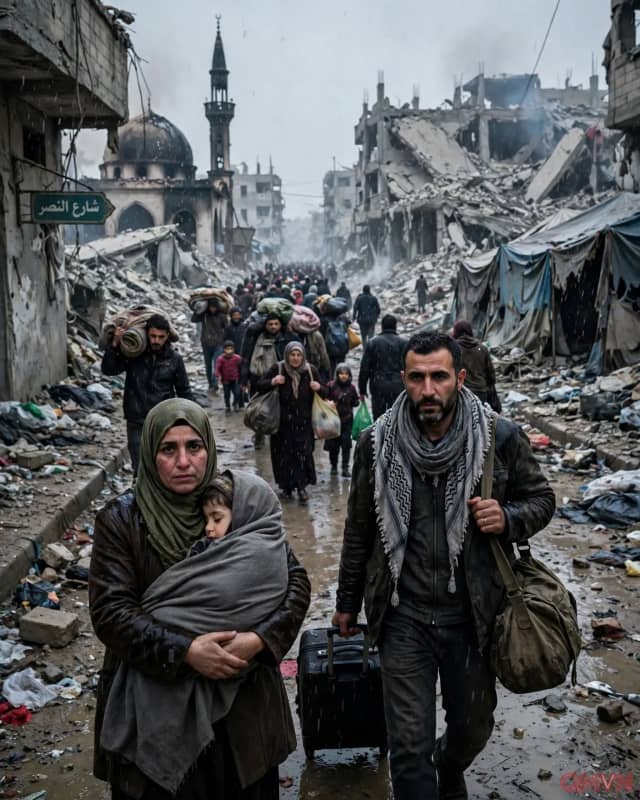
Analysts say the belligerent tone also distracts from the deepening economic misery Iranians are enduring. Yet it is those very people, from kindergartners to ordinary workers, who would pay the highest price if war returns.