MAIN REPORT
A violent morning on the coast
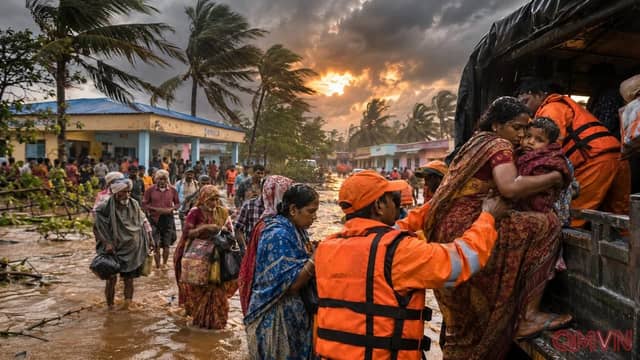
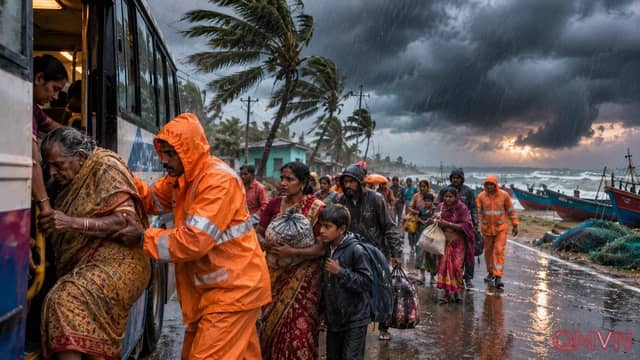
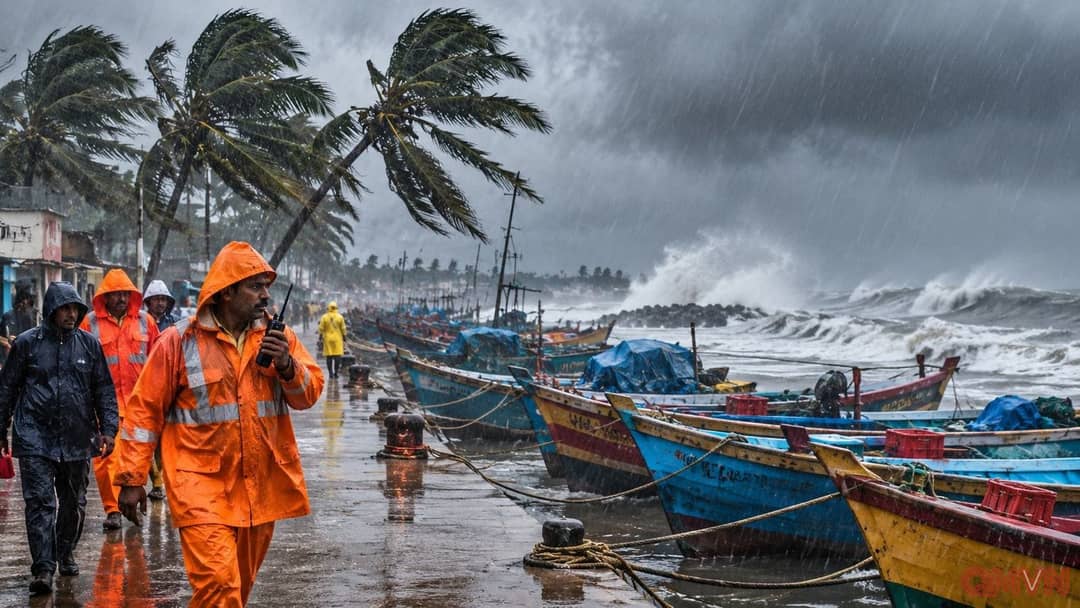
As November 2 turned into November 3, fishing settlements along the Bay of Bengal prepared for the arrival of Murasu. Boats were secured, basic supplies gathered and emergency teams concentrated on low-lying communities. By dawn the system had crossed the Andhra Pradesh coast near Ongole. The national weather agency measured sustained winds of 100–110 kilometres per hour, with gusts approaching 120 kilometres per hour.
In an initial assessment, the Andhra Pradesh State Disaster Management Authority reported no fatalities or injuries, but said trees and power poles had been uprooted. Such damage brings risks beyond the storm itself: falling debris, electrical hazards and blocked roads can delay assistance. Early reports must also be treated as provisional until emergency workers are able to assess more remote locations.
Forecasters expected the cyclone to weaken after moving inland. Nevertheless, weakening winds do not automatically end the danger. Rain bands may continue to saturate settlements, farmland and transport routes, while overflowing drainage systems can leave neighbourhoods isolated. For many households, the hardest practical problems begin after the noise of the wind has faded.