MAIN CONTENT
The border that cloud computing made harder to see
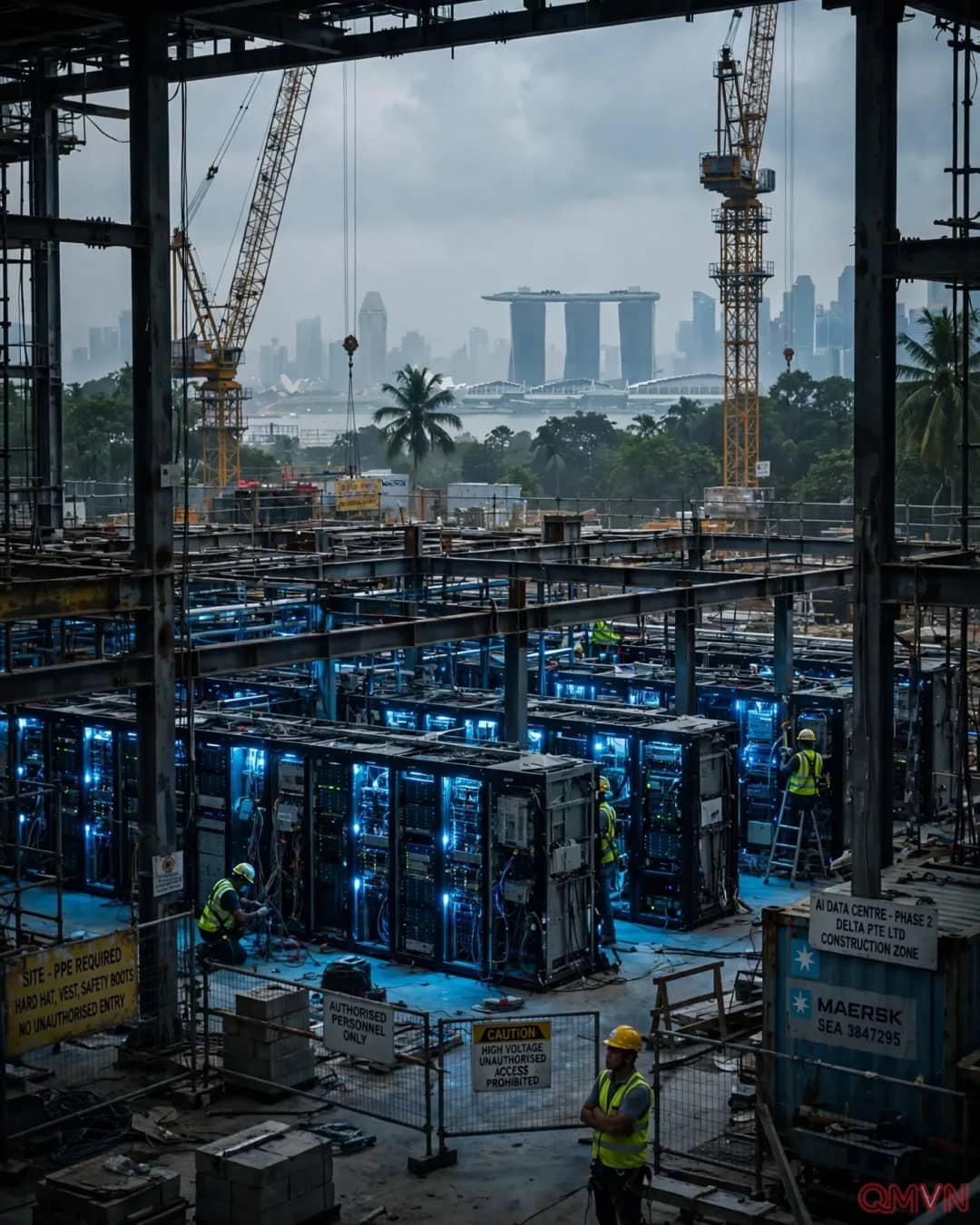
Export controls once seemed to be largely about the physical destination of a semiconductor. Cloud computing complicates that assumption: processors can remain in a server hall in Singapore or Malaysia while an overseas customer runs demanding artificial intelligence workloads on them. The US Bureau of Industry and Security, or BIS, says this separation between the hardware’s location and the user of its computing power is precisely the exposure the new rule addresses.
The interim rule introduces customer due diligence, including scrutiny of indirect ownership and control, for overseas data centres supplying significant computing capacity to companies in specified restricted jurisdictions. It does not amount to a blanket prohibition on cloud services across Southeast Asia. An ordinary commercial application, the ultimate user of a service and the possibility of diversion present different compliance questions. Distinguishing them carefully is essential to a workable system.
Five destinations and a consequential exemption
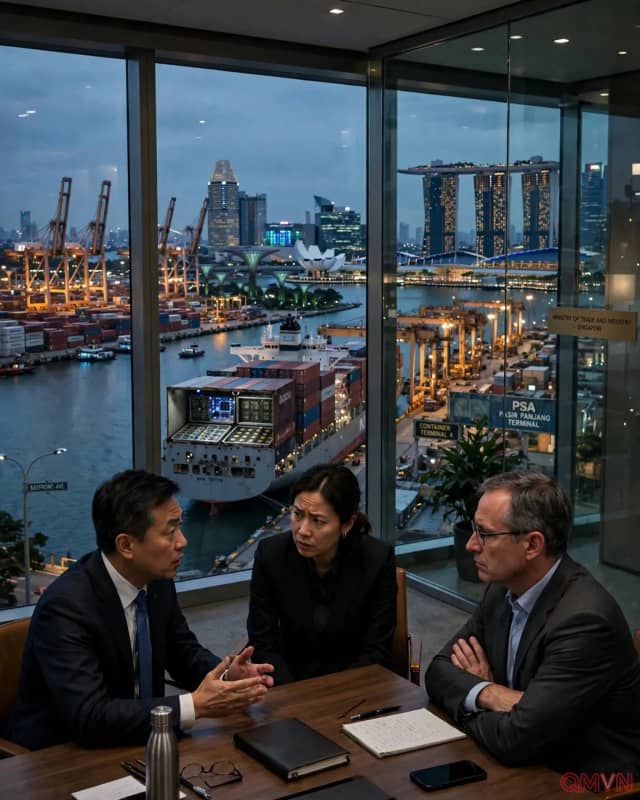
A joint statement from Singapore’s Ministry of Digital Development and Information and Ministry of Energy, Trade and Industry confirms that licences will be needed for exports, re-exports and in-country transfers of controlled advanced semiconductors to five named destinations. The requirement will not apply to qualifying companies headquartered in the US, or ultimately owned by US-headquartered parents, provided reporting conditions are fulfilled. Such ownership-based distinctions may produce different operating conditions for companies competing in the same market.