MAIN CONTENT
A new licensing barrier, not a blanket ban
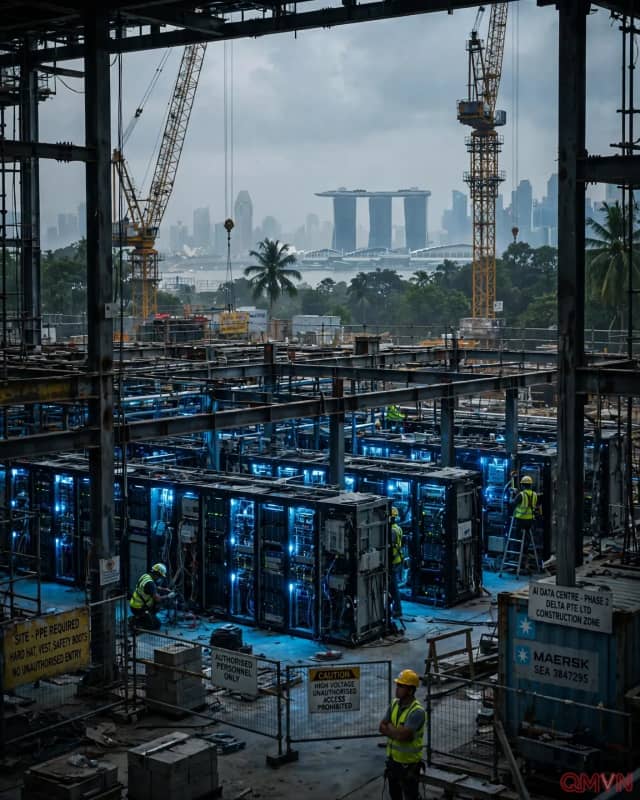
On November 16, the US Commerce Department’s Bureau of Industry and Security announced an interim final rule covering remote access to advanced semiconductor technology. It adds licensing requirements for covered exports, re-exports and domestic transfers to Singapore, Malaysia, Indonesia, Thailand and Brazil. The measure is not an outright prohibition on every data center operation. Its consequences will depend on the items involved, the identity of customers, end uses and applicable licensing decisions.
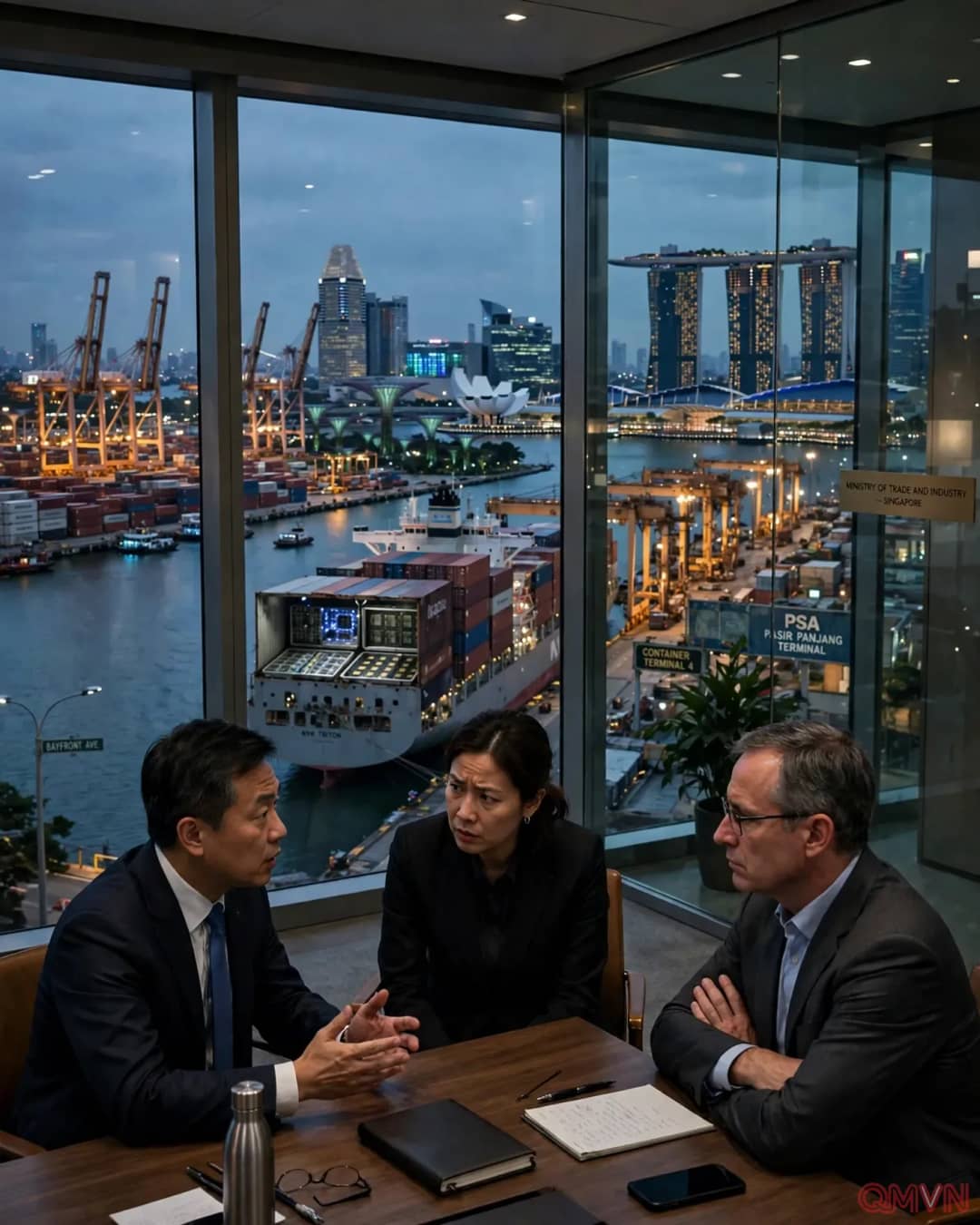
Singapore’s joint ministerial statement on November 17 noted a key distinction: the destination-specific license requirement does not apply to qualifying shipments for companies headquartered in the United States, or whose ultimate parent is based there, subject to reporting obligations. Local and American-headquartered operators could therefore face different compliance pathways. That exemption should not, however, be confused with immunity from every end-user or reporting control.
Why renting computing power matters
Traditional chip controls focus on where hardware is shipped. Modern AI companies can instead buy computing time from foreign cloud facilities without ever possessing the physical processors. The US rule addresses that gap by scrutinizing data centers supplying substantial computing capacity to entities in restricted destinations. Providers may need stronger checks on beneficial ownership, customers and the actual purpose of computing services.