Tankers are back, but prices won't budge
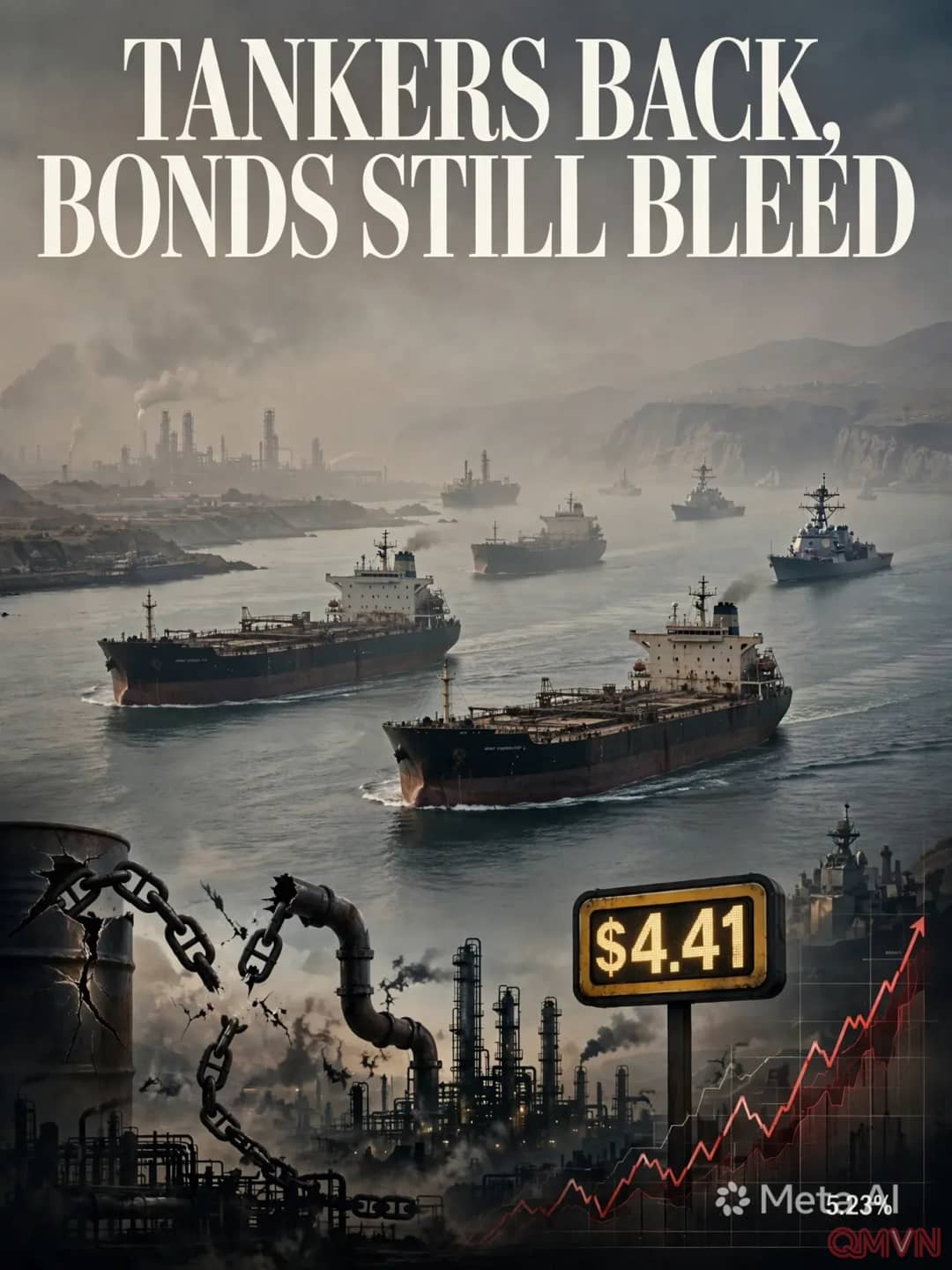
As the US Navy has gradually worn down Iran's grip on the Strait of Hormuz, oil shipments have recovered to near prewar levels. Yet on Thursday the global crude benchmark still rose 4.4% to $102.31 a barrel. Average US gasoline prices tracked by AAA stayed above $4.41 a gallon.
The paradox reveals a less noticed truth: reopening the sea lane is only the first step. The entire chain from shipping crude to refining it into fuel remains under strain, raising the cost of running everything from cars and trucks to commercial jets and farm machinery.
Three forces squeezing the oil market
According to The Wall Street Journal's analysis, the oil market is caught between several interlocking threats.
The main factors include:
- Traffic through Hormuz is hard to estimate precisely, and traders fear renewed fighting could choke supplies at any moment.
- Houthi rebels in Yemen threaten oil shipping routes around the Arabian Peninsula.
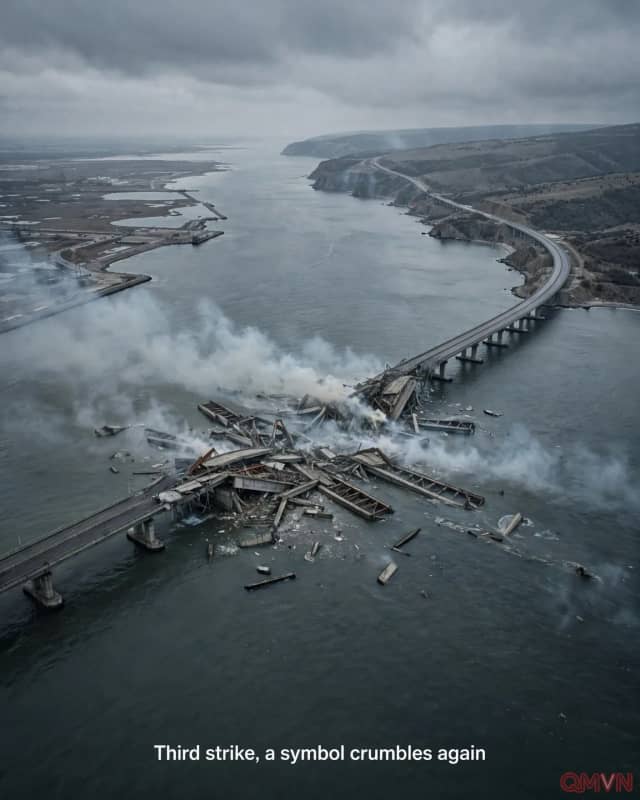
- Ukraine's air campaign targets Russian refineries, historically an important source of diesel for many industrial economies.