A food hall with a mainland flavor
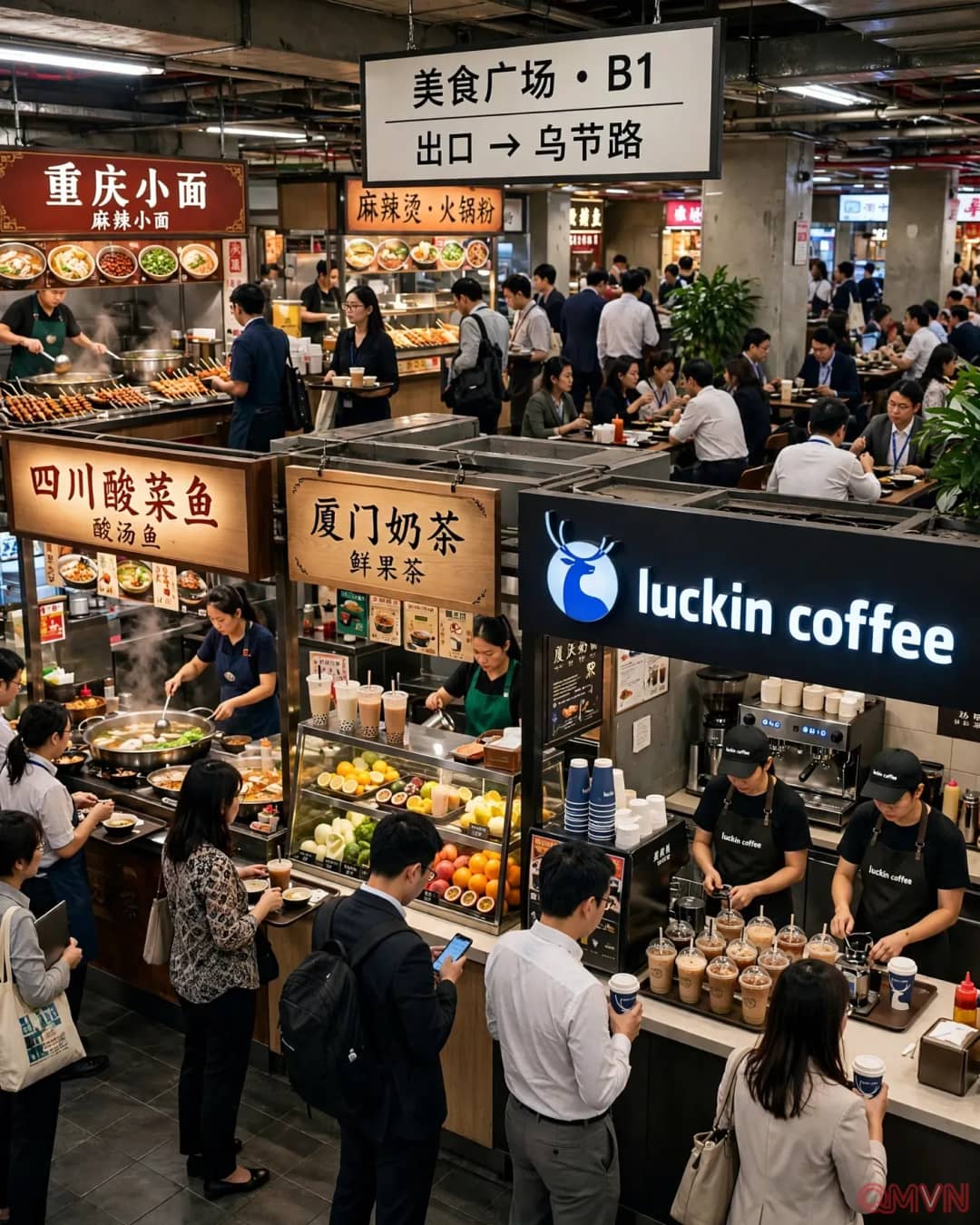
In the basement food hall of a central Singapore shopping center, the transformation is visible at lunchtime: a noodle shop from a major Chinese hotpot chain, rival fish restaurants with roots in Shenzhen and Sichuan, a milk tea outlet from Xiamen and a busy Luckin Coffee counter. Brands such as Chagee, Mixue, Tai Er and Nong Geng Ji have become fixtures in malls across the island.
The surge reflects pressures at home. Persistent price wars and weak consumer demand have squeezed margins for Chinese restaurant chains, and profits at many major operators have fallen sharply. Expanding overseas has become a way to find growth and higher prices.
Why Singapore appeals
Executives and analysts cite several advantages:
A population of about 6 million, predominantly ethnic Chinese, familiar with mainland cuisines and brands.
Clear regulations, strong legal protections and an international reputation that lend credibility to brands seeking wider expansion.
A gateway to Southeast Asia's fast-growing middle class; chains such as Luckin and Tai Er have used Singapore as a springboard to other markets, including the United States.
A base for regional headquarters, as tech firms such as ByteDance's TikTok, Alibaba and Shein have established in the city-state.
Singapore's government welcomes foreign investment as a pillar of its open economy, and Chinese firms bring jobs, rental income and consumer choice, even as local businesses face tougher competition.
Pressure from several directions
The welcome is becoming more complicated. In the United States, officials increasingly treat Chinese-founded companies as Chinese regardless of where they are incorporated, and critics describe relocations meant to play down Chinese origins as Singapore-washing. US scrutiny has extended to entities in Singapore suspected of diverting restricted technologies, such as advanced chips, to China.
Beijing, too, is tightening its grip. New outbound investment rules took effect on July 1, and China blocked Meta's planned $2 billion acquisition of the Singapore-based AI startup Manus, which had moved from China, signaling that it expects Chinese-founded firms to stay loyal to home. Within Singapore, some residents and local operators complain about rising competition, price undercutting and Mandarin-only menus as local food businesses close at a high rate, though analysts note that high rents and labor costs are the main pressures and that Singaporean brands still account for about two-thirds of outlets.
The future of a launchpad
Despite the headwinds, Singapore's fundamentals remain attractive, and Chinese firms continue to arrive. Analysts expect consolidation in food and beverage, as weaker entrants close and stronger, well-capitalized chains survive, while tech and manufacturing companies weigh geopolitical risks more carefully before choosing a base.
For Singapore, the challenge is to remain open to Chinese investment without becoming a target in the US-China rivalry or provoking a domestic backlash. For Chinese companies, the city-state may increasingly serve less as a way to soften their identity and more as a genuine test market and regional hub. Whether it remains their first port of call will depend on where both Washington and Beijing draw the lines.