MAIN ARTICLE
A large sample, but a specific population
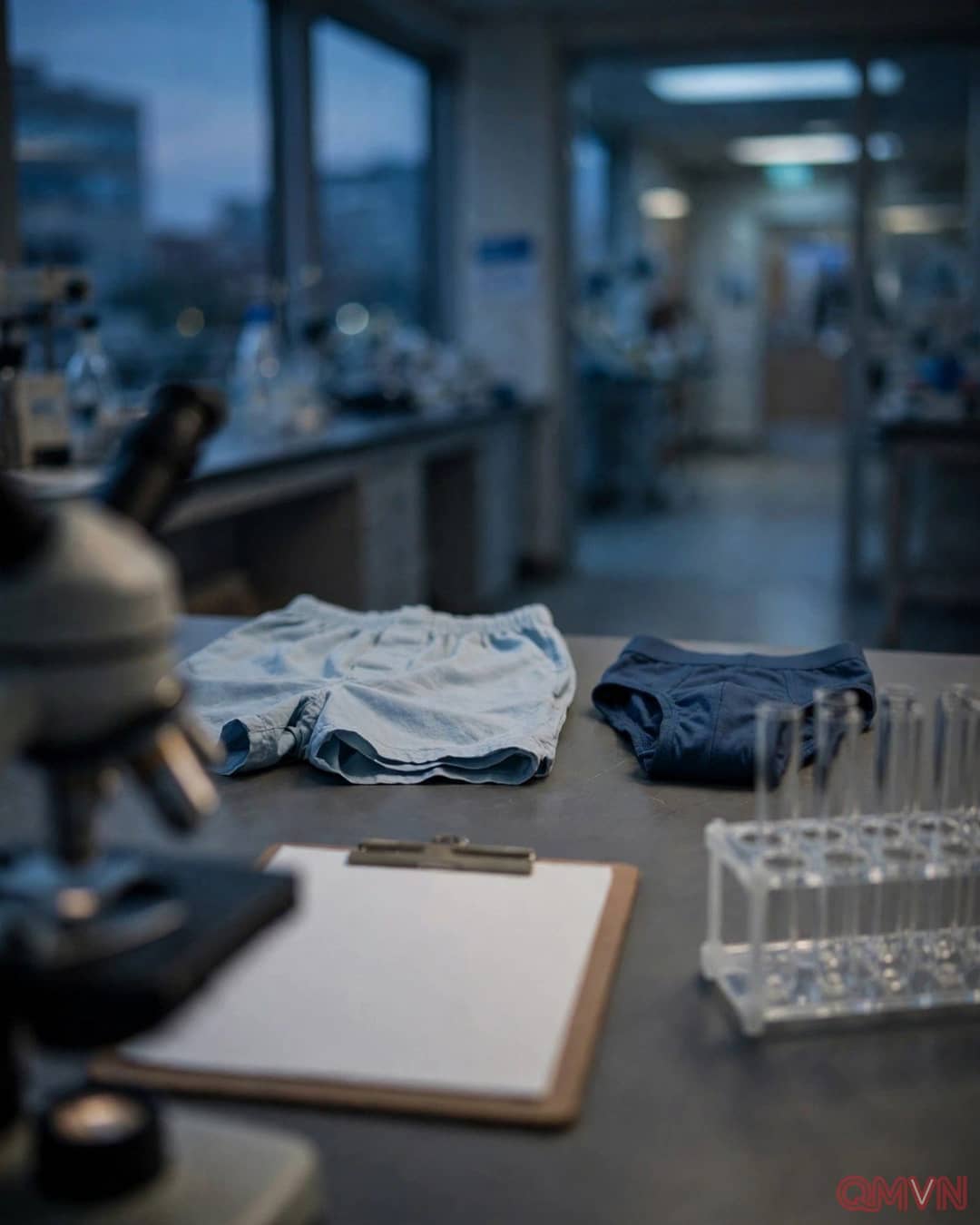
The research team, including corresponding author Li-Min Wu at the University of Science and Technology of China, analyzed 26,836 participants recruited through reproductive-health services. Of these, 21,221 reported usually wearing loose underwear and 5,615 reported tighter styles. Underwear choice was self-reported, and the researchers combined semen testing with questionnaires on sexual function. This gave the study unusual statistical scale for a question often treated as a minor lifestyle detail.
Scale, however, does not automatically make findings universal. These men were attending fertility evaluations rather than being randomly sampled from the general public. Their health concerns, habits and reasons for visiting clinics may differ from those of other men. The single-center, cross-sectional design also limits how confidently results can be applied across ages, countries and populations. In scientific terms, the study is a substantial observation rather than an experiment in which underwear was assigned at random.
What the numbers actually show
Among men reporting tight underwear, 62.7% screened positive for erectile dysfunction, compared with 57.8% in the looser-underwear group. Premature ejaculation was reported by 30.8% versus 23.2%, respectively.