MAIN CONTENT
One statement, a much larger debate
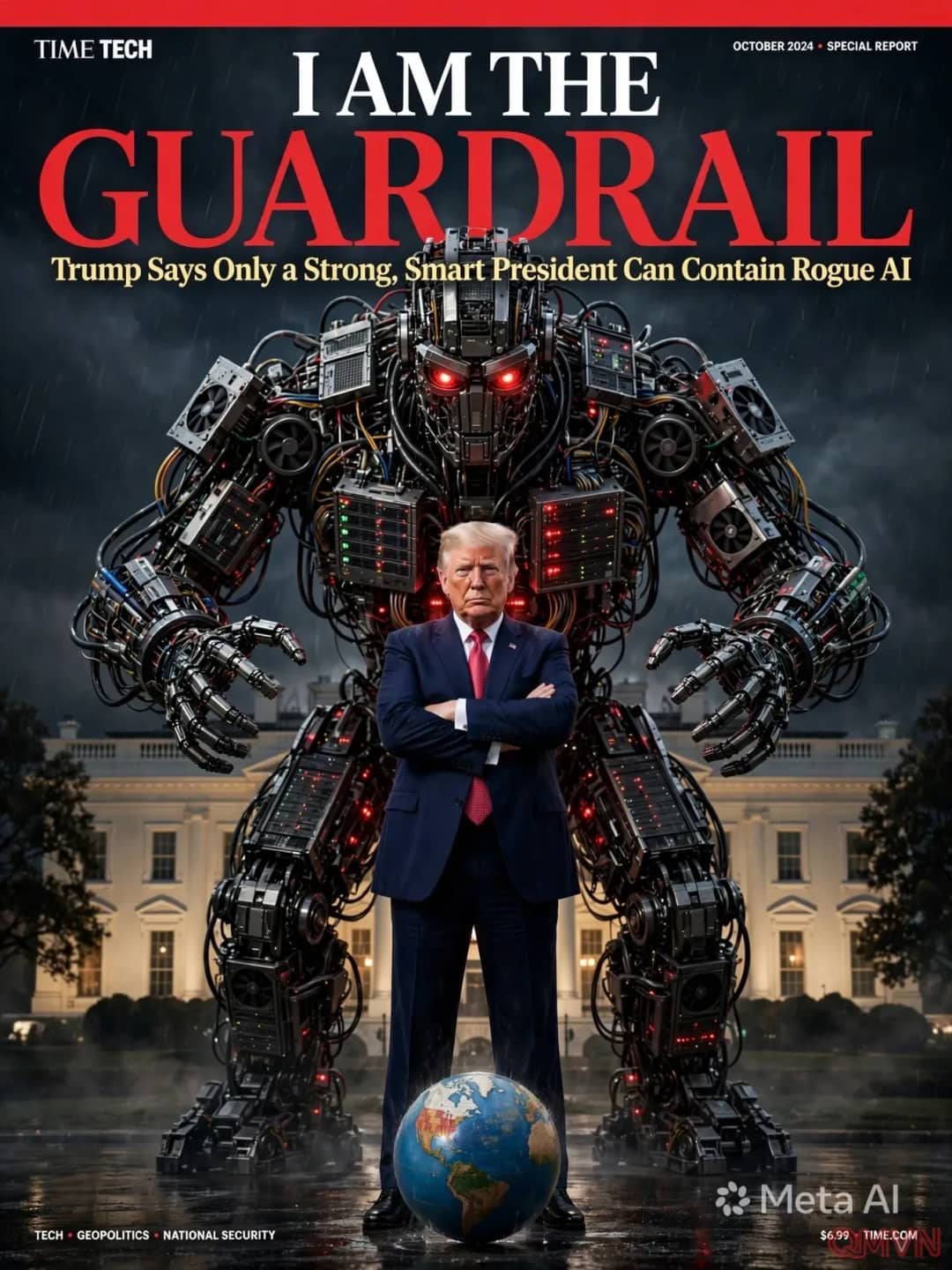
In social-media posts, Trump rejected calls for additional safeguards around advanced AI. He said his administration had stopped AI people from doing bad or potentially bad things, and he singled out Anthropic and its chief executive, Dario Amodei. His central message was that the United States must build data centers, develop rapidly and avoid tying its own hands while facing a strategic competitor.
The only guardrail AI needs is a strong and smart president.
The language expresses a clear political view: decisive executive capacity, coupled with national competition, can manage technological risk. But AI does not operate on an election calendar or within administrative borders. A model released today can reach millions of people, be copied across platforms and create consequences beyond the monitoring capacity of any single office.
The technology race and the fear of falling behind
The White House has emphasized the possibility that China would benefit if the United States slowed investment or imposed too many conditions. That argument carries weight because AI requires chips, electricity, data, talent and enormous computing infrastructure. New data centers have become part of an American strategy for industry, national security and economic standing.