When a cease-fire does not end the ruin
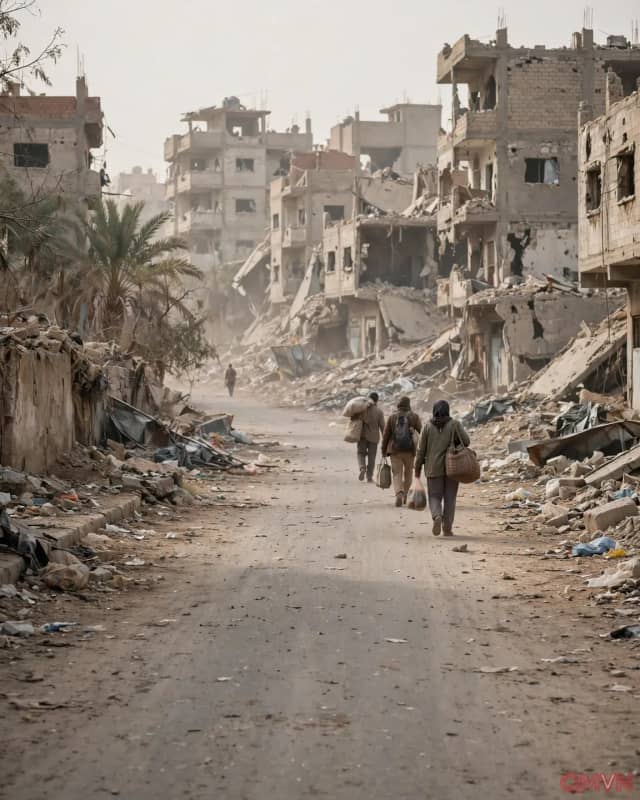
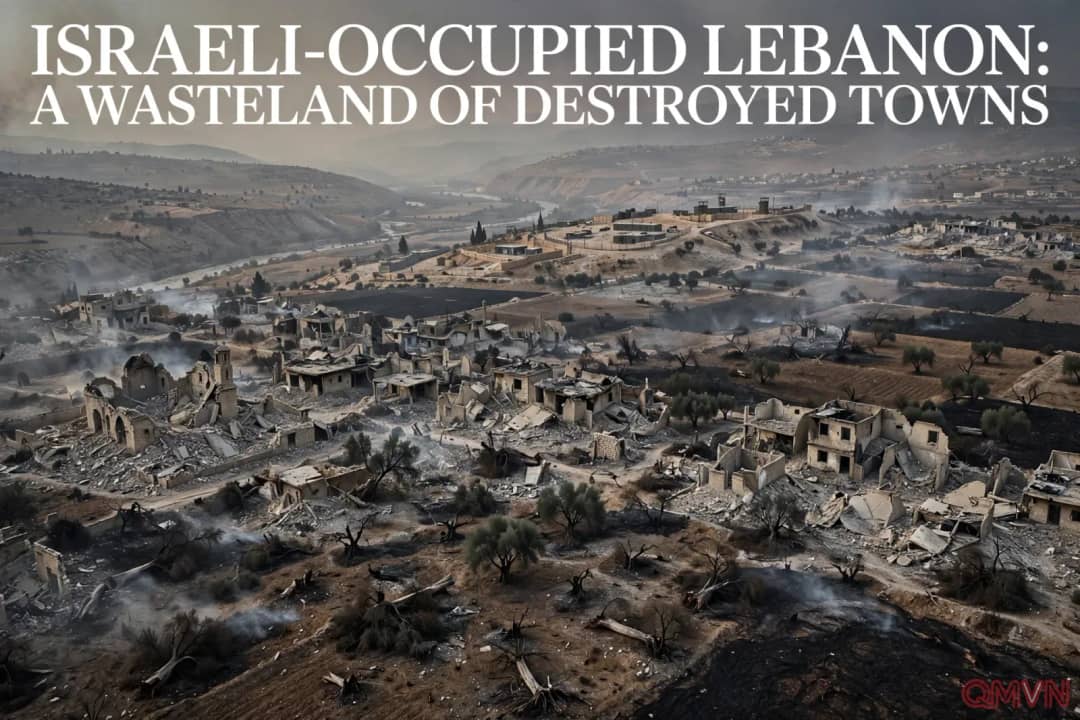
According to The New York Times analysis, most villages in the occupied zone were destroyed after the April cease-fire rather than during the six weeks of intense fighting that preceded it. The Lebanese territory controlled by the Israeli military since fighting resumed in March extends up to about eight miles north of the border. Data from the conflict monitor ACLED records hundreds of controlled demolitions; some videos appear to show drones being used to place explosives, as at a public school in Mansouri.
In Beit Yahoun, only about a dozen buildings were destroyed before the cease-fire; three months later, almost the entire town center had vanished. Returning for the first time in August under escort from the Lebanese army, mayor Mustapha Maki no longer recognised his hometown: the mosque, the water tanks and the children’s football field were all gone, and the cemetery was a mess of smashed headstones.
“I couldn’t even find my relatives’ graves.” — Mustapha Maki
Israel’s position
The Israel Defense Forces (IDF) say the demolitions are meant to dismantle Hezbollah military infrastructure such as tunnels and weapons depots and to prevent the group from returning to the border area. Since 2023, Hezbollah has fired thousands of rockets, drones and missiles at northern Israel, forcing tens of thousands of Israelis to evacuate. Israeli officials say they will keep the “security zone” until Hezbollah is disarmed. The IDF media office said there is no directive to carry out widespread demolition and that the military operates in accordance with international law.