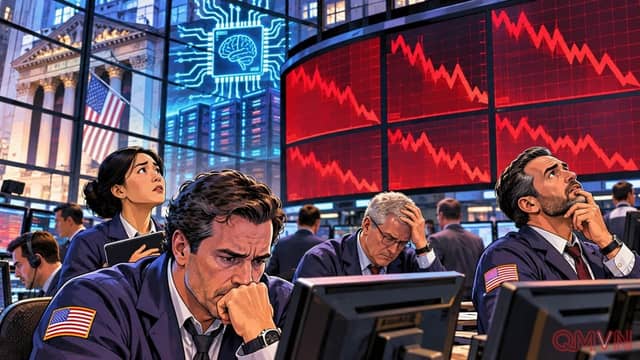
Technological tsunami reshaping modern labor markets and research
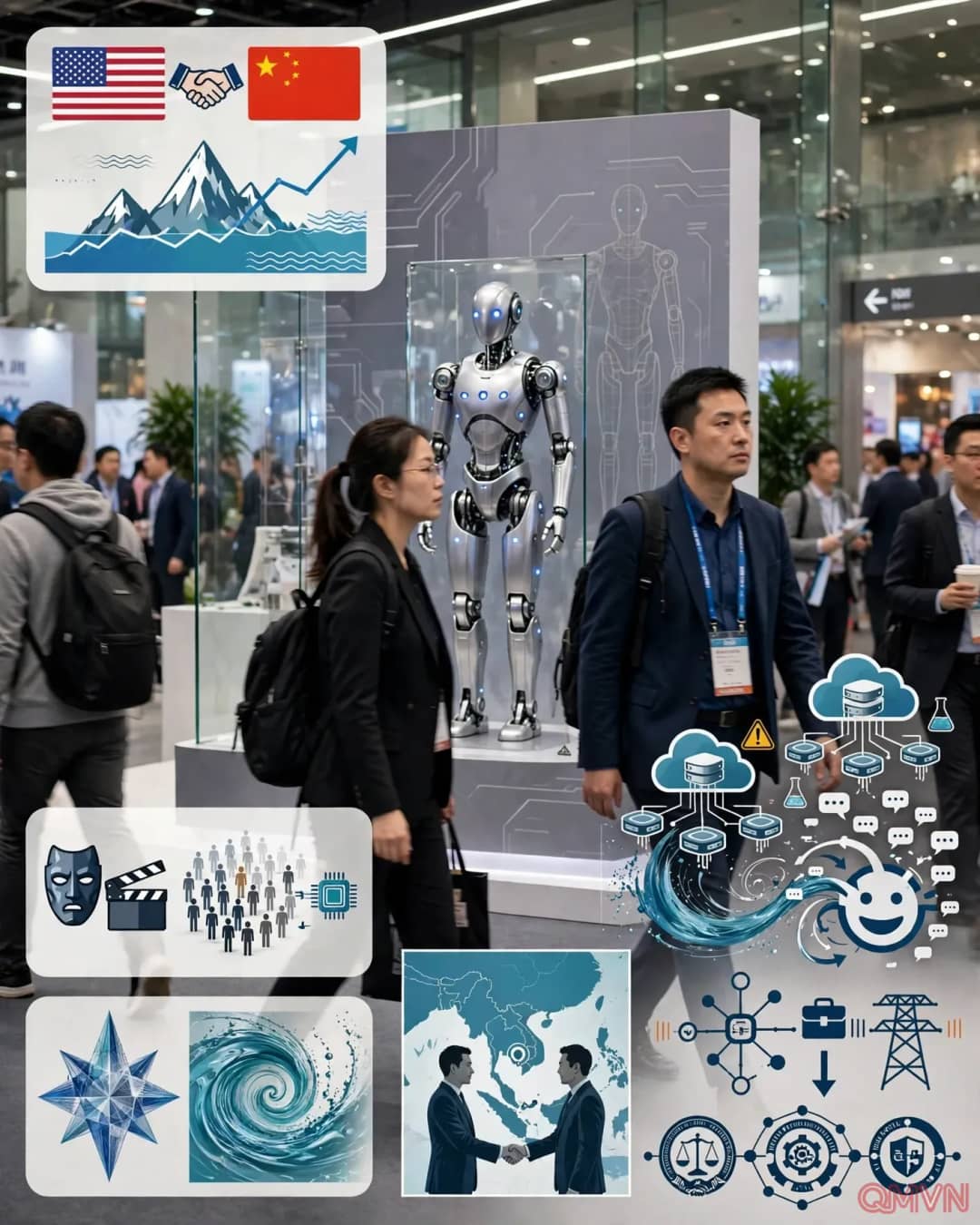
Artificial intelligence is no longer confined to speculative computational research; it is actively restructuring foundational socio-economic architectures at an astonishing pace. In China, the surging digital microdrama industry reveals that over ninety percent of new productions are generated entirely via algorithmic engines without physical sets or human actors. Projects that once required crews of one hundred industry professionals now rely on mere teams of two to five technicians completing projects within days, radically transforming artistic livelihoods.
Simultaneously, machine intelligence has shattered longstanding assumptions regarding the limits of automated mathematical deduction. Leading American research laboratories recently announced autonomous proofs resolving longstanding mathematical conjectures, including century-old Millennium Prize class inquiries. This accelerating progress illustrates an encroaching tide capable of submerging formerly distinct domains of human expertise simultaneously.
Artificial intelligence is advancing so fast that governments may have far less time to prepare for its collective consequences than they assume.