When pressure takes the place of trust
Canada and the United States are neighbors, partners and long-time allies. That closeness is why words about sovereignty leave a mark. Early in his second term, President Trump returned again and again to the idea of Canada as the 51st state and spoke of the Canadian prime minister in a way that shrank Ottawa's standing. Reuters, Associated Press and the BBC all recorded tariffs on steel, aluminum, lumber and automobiles shaking supply chains that cross the border every hour.
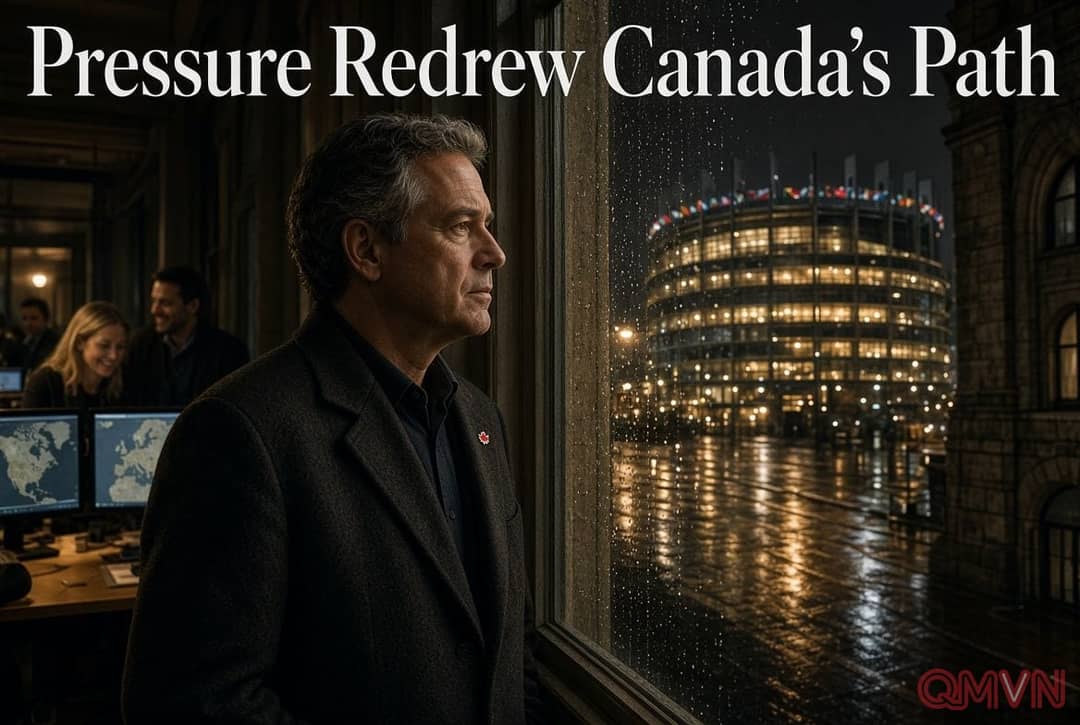
Prime Minister Mark Carney, elected amid pressure from the south, chose calm language with a hard edge: Canada must reduce dependence and seek a unique alliance with Europe. Professor Todd Belt of George Washington University told Newsweek that the White House had underestimated Carney's resolve. Pressure can quiet a partner for a season. It cannot erase the need to be treated as a full country.
Donald Trump underestimated Carney's resolve.
The fear is not only the tariff rate. The deeper fear is the sense that a great ally is redrawing the map. When Canadians hear annexation framed as a joke, they also hear that sovereignty is being priced. That force did not push Ottawa to cut the United States off. It pushed Ottawa to stop standing on a single rope.