Lula's victory and Washington's unfinished dream
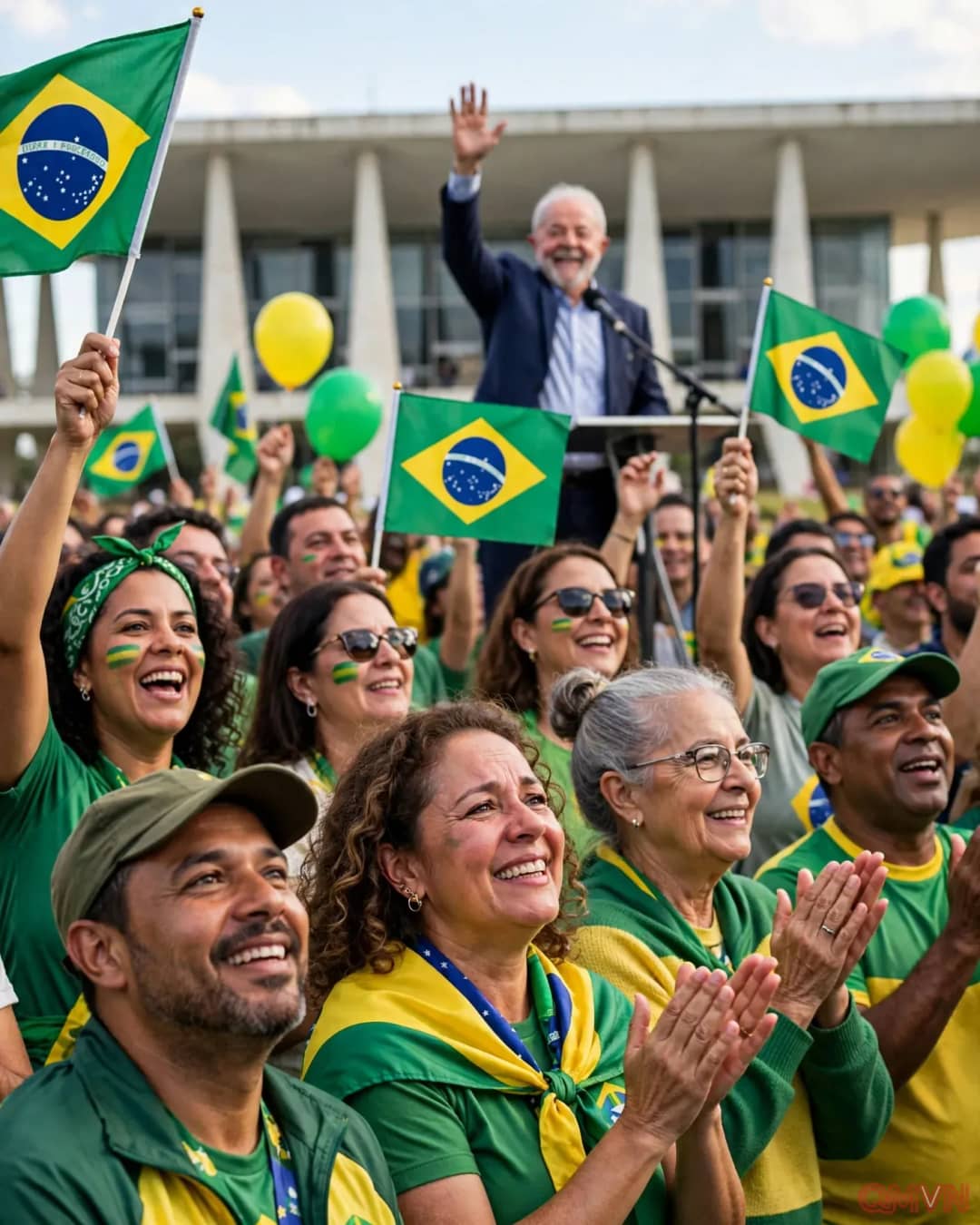
In the Oct. 25 runoff, Lula won about 51.7% of the vote, coming from behind after narrowly trailing in the first round to secure a fourth non-consecutive term. His rival Flávio Bolsonaro, son of former President Jair Bolsonaro, rejected the result and left Brazil shortly afterward despite a Supreme Court order to surrender his passports; the United States offered him safe harbor. Flávio said he was the target of a politically motivated “witch hunt.”
According to a US State Department official, Trump had wanted preferential access to Brazil's rare earths. After meeting Trump in May, Flávio Bolsonaro promised a “long-term strategic partnership” over the deposits, and analysts expected him to scrap CIMCE if elected. The White House, meanwhile, said diversifying the minerals supply chain is in the best interest of both the United States and Brazil and pledged to pursue new opportunities to strengthen partnerships.
CIMCE and a strategy of processing at home
Lula signed the National Policy for Critical and Strategic Minerals into law about two weeks before the first round of voting, creating CIMCE and kicking off an overhaul of the regulatory framework. At its first meeting, attended by the president, the council agreed to: