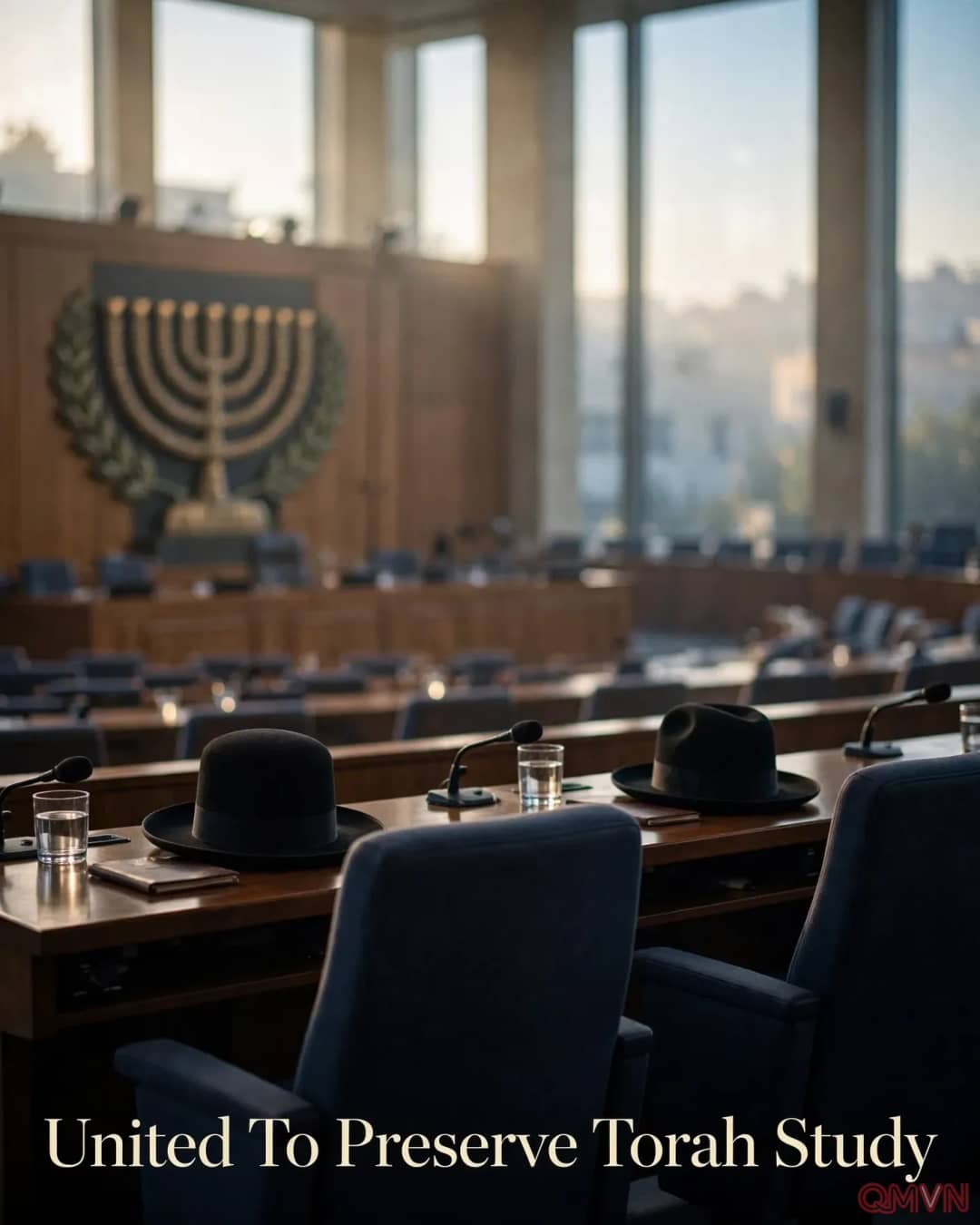
Surplus-Vote Alliance and the Consolidated Haredi Parliamentary Front
In a joint communique released by UTJ chairman Yaakov Asher and Shas leader Aryeh Deri, the two factions confirmed that the surplus-vote arrangement perpetuates established political solidarity in accordance with the guidance of senior Torah scholars. Under Israeli electoral mechanics, such agreements do not unite party lists but combine remaining votes exceeding the 3.25 percent threshold, substantially improving the probability of capturing an additional Knesset mandate.
The primary strategic objective of this mutual reinforcement is maintaining absolute legislative protection for full-time Torah scholarship, defending the statutory status of religious seminaries, and shielding independent religious education budgets. Operating with stable survey projections of roughly eight mandates each, the coordinated Haredi bloc remains an indispensable kingmaker in sovereign coalition negotiations.
This agreement reflects our enduring cooperation, presenting a united front to preserve Torah study and religious academic institutions.
The Conscription Ultimatum and Netanyahu's Fracturing Coalition Base
The strategic cohesion between Shas and UTJ poses an acute hazard to incumbent Prime Minister Benjamin Netanyahu, who faces intense condemnation from religious partners over his inability to enact permanent military draft exemptions resilient against High Court scrutiny. In an interview broadcast on Kol Barama radio, prominent UTJ candidate Moshe Rosenthal stated unequivocally that his faction would refuse participation in any future administration lacking binding guarantees regarding yeshiva conscription exemptions.
This uncompromising stance risks severing the right-wing religious alliance that has historically underpinned Netanyahu's governing tenure. The deepening sociological divide separating broad Israeli societal demands for universal civic burden-sharing from Haredi theological insularity has transformed the draft dispute into an insurmountable constitutional dilemma.
We will partner with whichever leader commits to enacting a conscription law capable of withstanding High Court judicial review.
The Eisenkot Opening and Nuanced Coalition Maneuvering
Remarkably, political reporting across premier Israeli networks, including Channel 12, indicates that UTJ leadership does not categorically reject joining a governing coalition headed by Yashar party chairman Gadi Eisenkot, who remains the polling front-runner. Although the former military chief has championed legislation terminating sweeping draft exemptions and observed that Haredi factions currently fall short of his governance criteria, he has consistently maintained discreet backchannels, particularly with Shas.
This remarkable tactical flexibility illustrates the paramount pragmatism guiding ultra-Orthodox leadership during moments of institutional peril. By disengaging from unconditional loyalty to traditional right-wing partners, the Haredi factions ensure that the defense of Torah institutions remains the supreme arbiter of Israel's impending governance architecture.
Post-election compromises must balance universal civic defense responsibilities with genuine respect for historic religious traditions.