A day Spain stood still
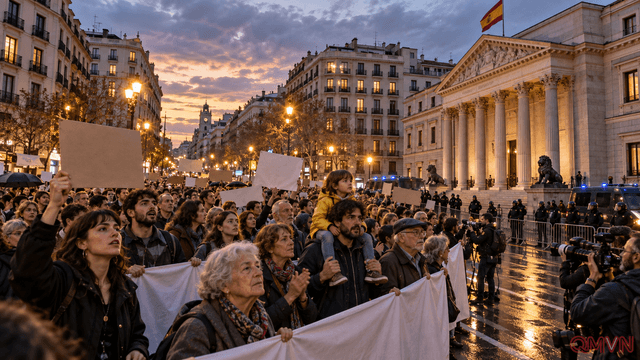
From dawn, pickets formed in heavy rain outside factories, offices and transport hubs. Participation was uneven, strongest in coastal regions where tourism and investment have pushed housing costs up most sharply, but the effects were visible across the economy:
Unions reported 90% participation at ports and in the auto industry, with total stoppages at Volkswagen's plant in Navarre and SEAT's in Barcelona.
Electricity demand fell by as much as 15.5% in mid-morning, according to grid operator Red Electrica.
Madrid's metro reported peak-hour usage down 42% from a week earlier, while Barcelona's ran no trains outside rush hours.
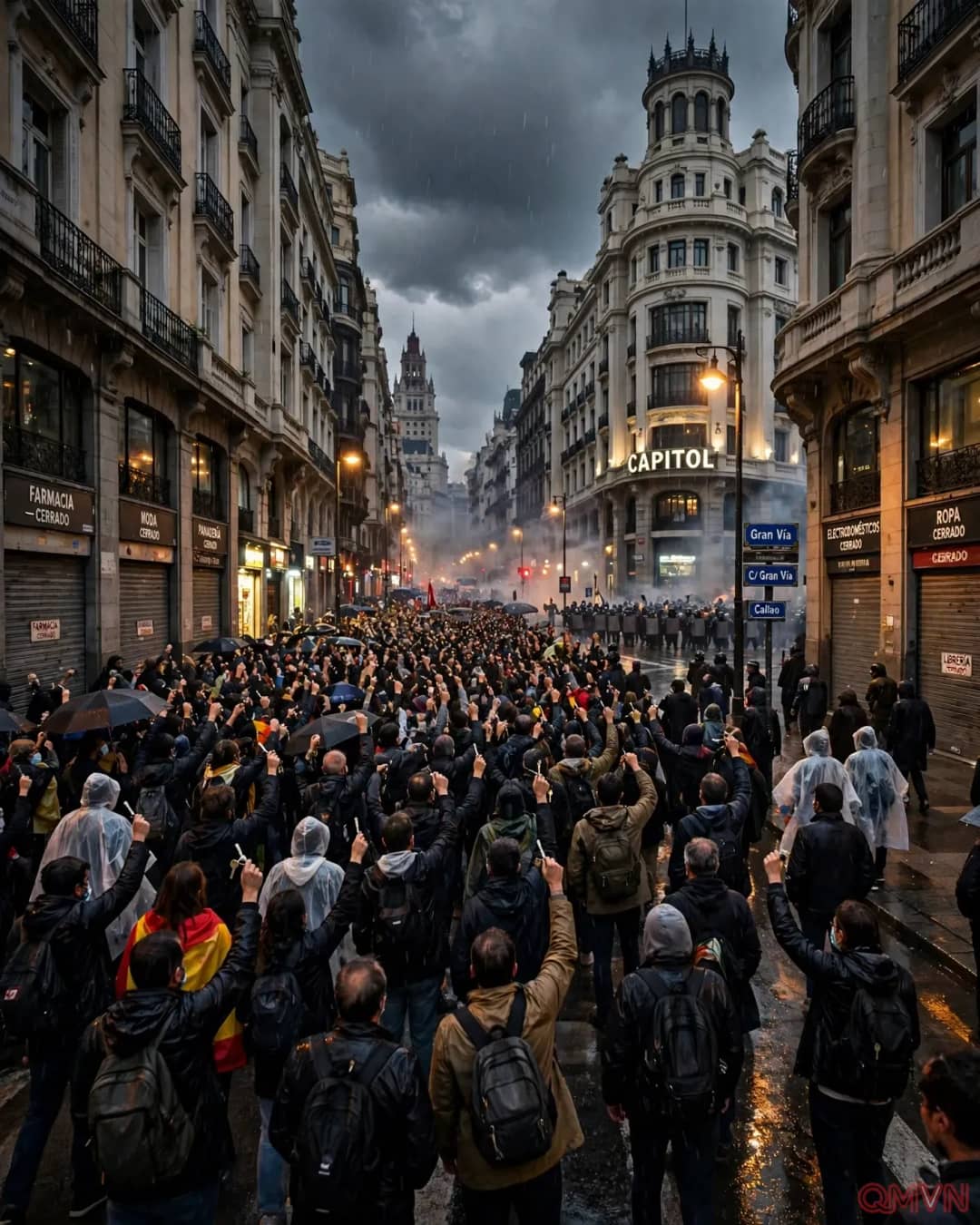
Stores including Primark, H&M and Pull&Bear lowered their shutters on Madrid's Gran Via as protesters cheered and jangled house keys.
The overall impact may still be smaller than in past general strikes. BBVA Research chief economist Miguel Cardoso noted that remote working and the growing weight of less-unionized services such as hospitality and finance blunt the effect, estimating a cost of 0.1% to 0.2% of annual GDP.