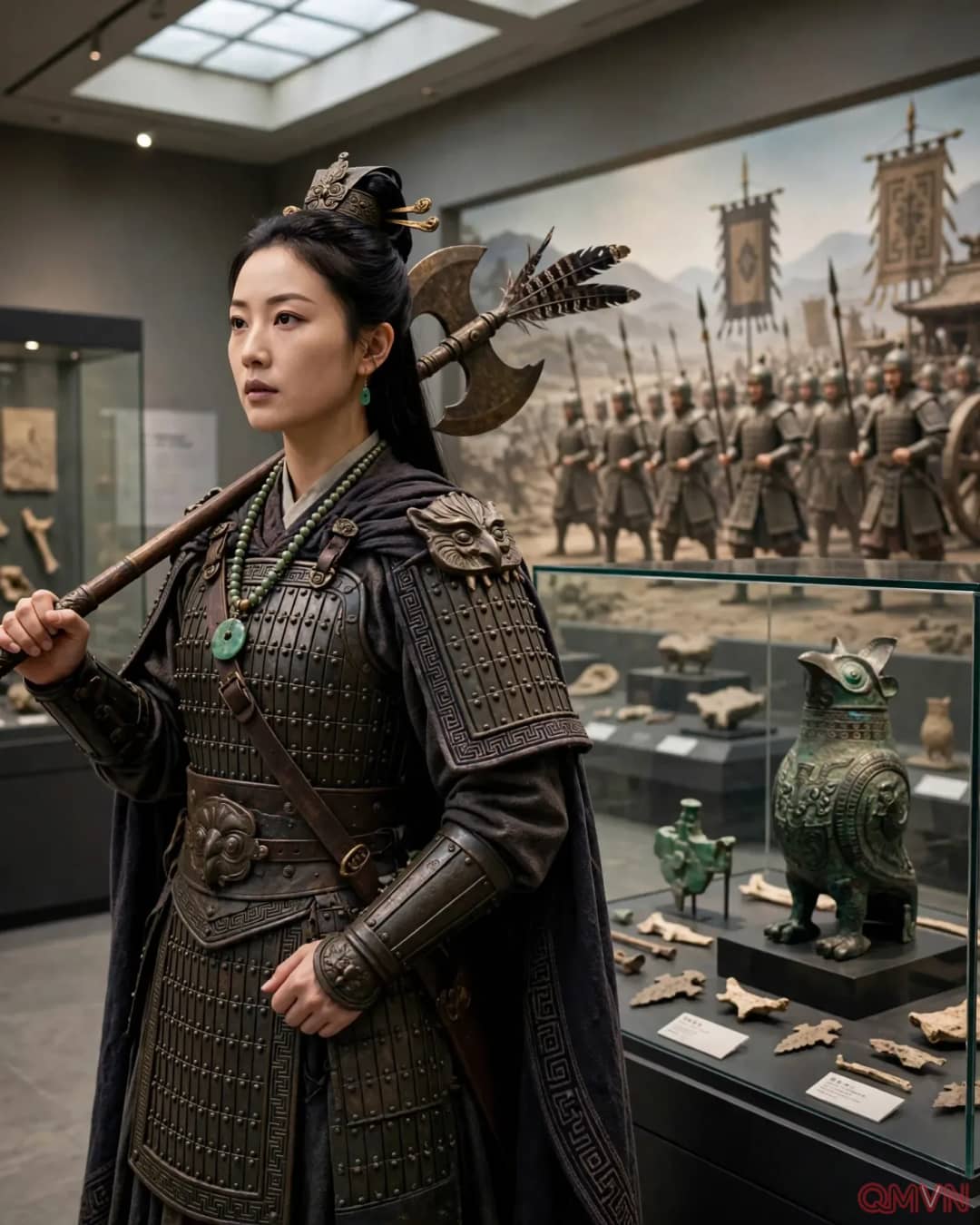
An intact tomb after more than three millennia
Zheng Zhenxiang, often called the first lady of Chinese archaeology, was astonished by the 1976 discovery. Unlike most royal tombs, which had been looted over thousands of years, Fu Hao's tomb remained fully intact.
Most Shang royals were buried in the Xibeigang royal cemetery, north of the Huan River in the Shang capital of Yin, now part of Anyang. Fu Hao, however, was buried south of the river, away from the looters' targets. Some believe her distinct status as a landholder, military leader and priestess may have influenced that decision.
A vast treasure underground
The excavation revealed a breathtaking collection, from ritual bronze vessels and jade carvings to stone sculptures, reflecting the extraordinary standing of the tomb's owner.
Notable finds include:
- A total of 1,928 artefacts and about 7,000 cowrie shells, used as currency during the Shang dynasty.
- 190 inscribed bronze objects, 109 of them bearing Fu Hao's name.
- 130 weapons, from broad axes and daggers to arrowheads, confirming her status as a military leader and high priestess.