Robots first, soldiers second
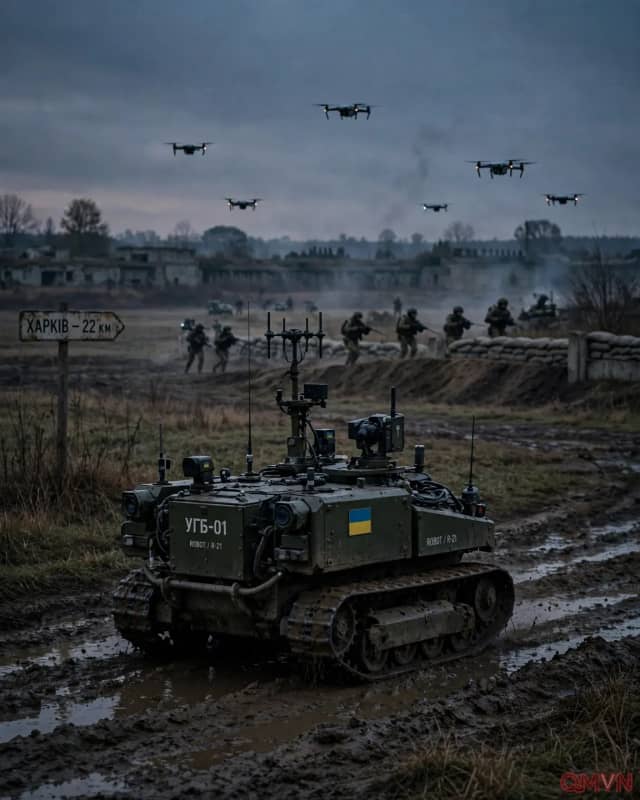
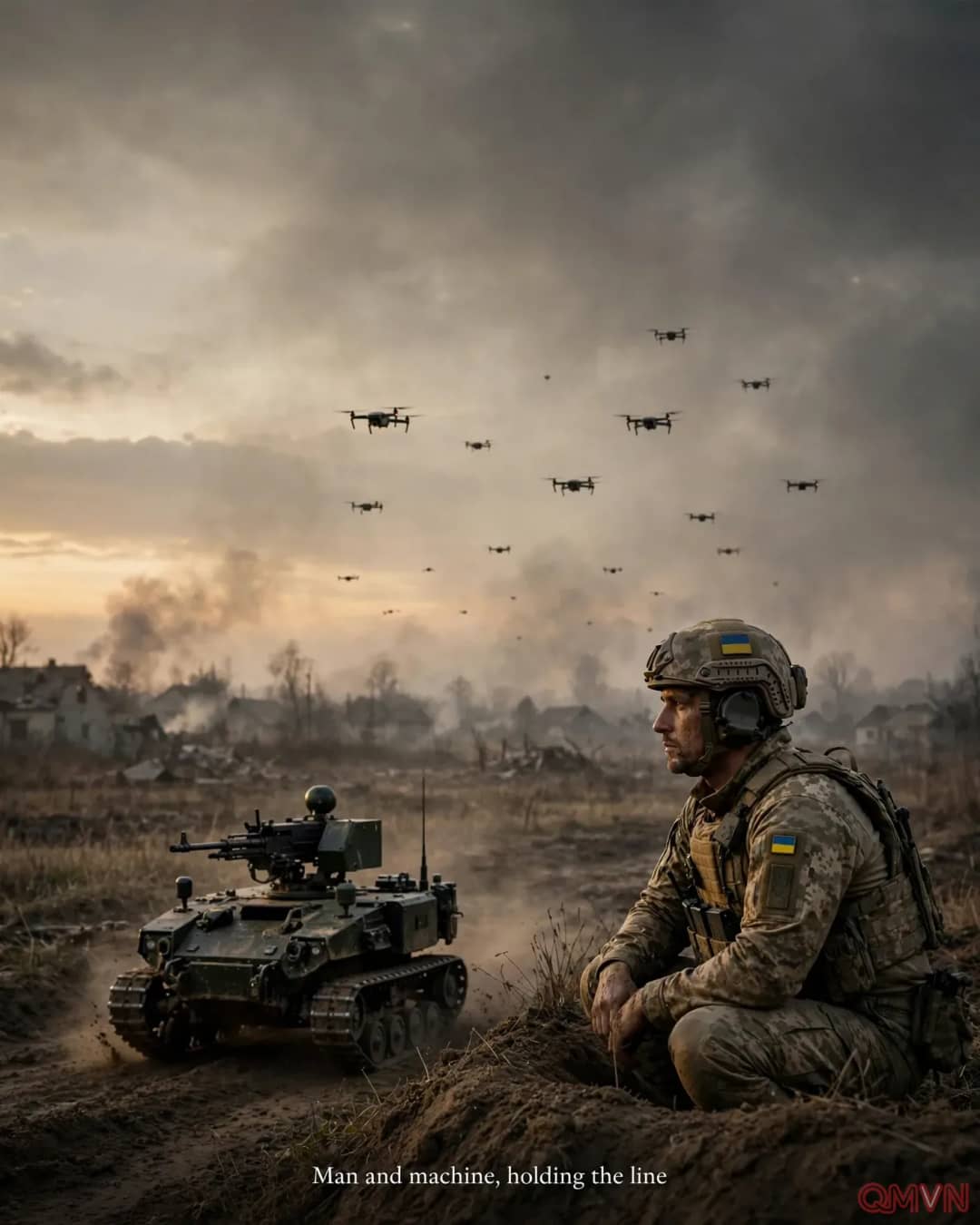
The scenes looked borrowed from science fiction. Remotely controlled ground vehicles armed with high-calibre machine guns, grenade launchers or explosives struck Russian positions, while others cleared minefields. As assault troops inched forward, aerial drones hit dugouts considered too dangerous for soldiers to enter first, and electronic warfare systems formed what the Third Army Corps called a protective dome, knocking enemy drones out of the sky.
In at least one case, the Ukrainian military said, combat robots were dropped behind enemy lines by repurposed quadcopter bomber drones, a first in the war. Some battlefield communications ran through Starshield, the military-grade version of SpaceX's Starlink satellite service, which was used to direct many strike drones and other unmanned systems.
A thousand assets can be in the sky and on the ground in the same area.
Brigadier General Biletskyi contrasted this with conventional warfare, in which a company or battalion might field a few dozen armoured vehicles and a handful of command posts. Third Corps commander Dmytro Rohoziuk said the army was now developing a concept in which infantrymen fight in formation alongside robotic systems, a model commanders hope can mitigate Ukraine's troop deficit against a much larger Russian army.