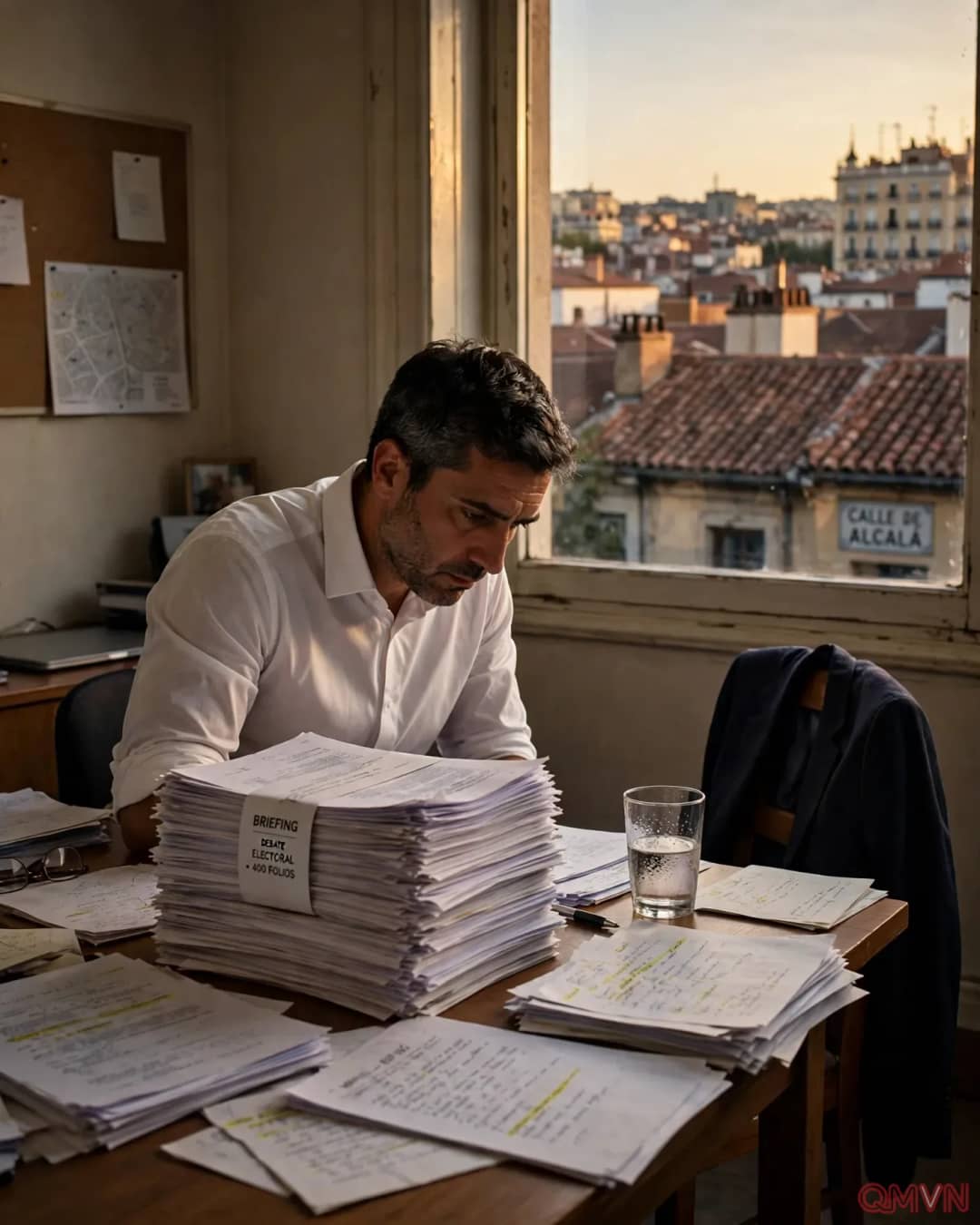
Ambush questions in the office
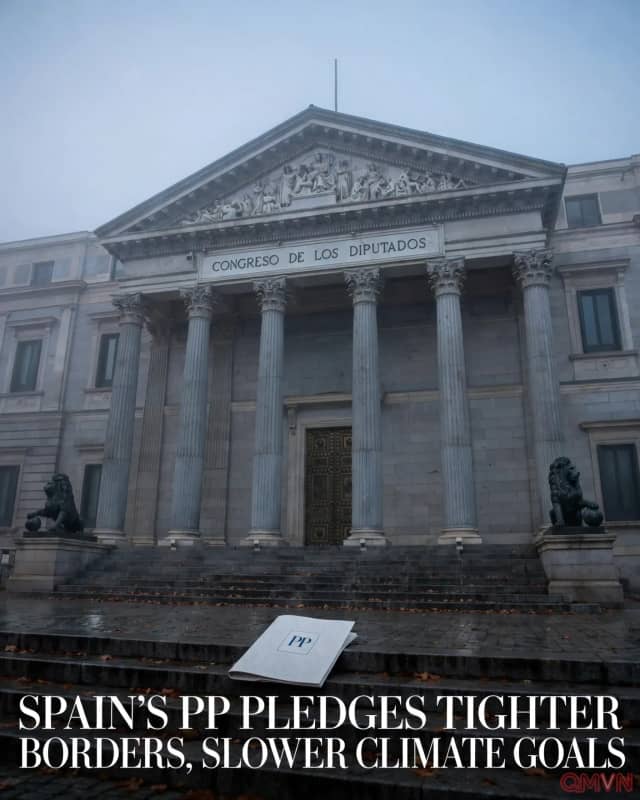
In the days before the debate, Feijóo's advisers adopted a method designed to sharpen his reactions. They would enter his office at the party's headquarters to discuss some routine matter and then, without warning, throw an uncomfortable question at him, however impertinent. The rule was simple: the PP leader had to answer quickly, as he would have to under the studio lights.
The drill complemented a thick dossier of around 400 pages covering the government's record, economic data and the lines of attack his team expected from Sánchez. The aim was not only to master the content but to avoid being caught off guard, a frequent risk in a format where a single hesitant answer can dominate the following day's headlines.
A nap and a joke before the duel
On the day of the debate, El País reports, Feijóo kept a relaxed routine. He took a nap in the afternoon and exchanged jokes with his team in a WhatsApp group, playing on a nickname, "Anotop At", that circulates among his collaborators.
Such details are part of the choreography of modern campaigns, in which parties seek to project calm and confidence. Behind the light tone, however, lay weeks of meticulous preparation for an encounter both camps regarded as one of the decisive moments of a short campaign.
The night of the debate
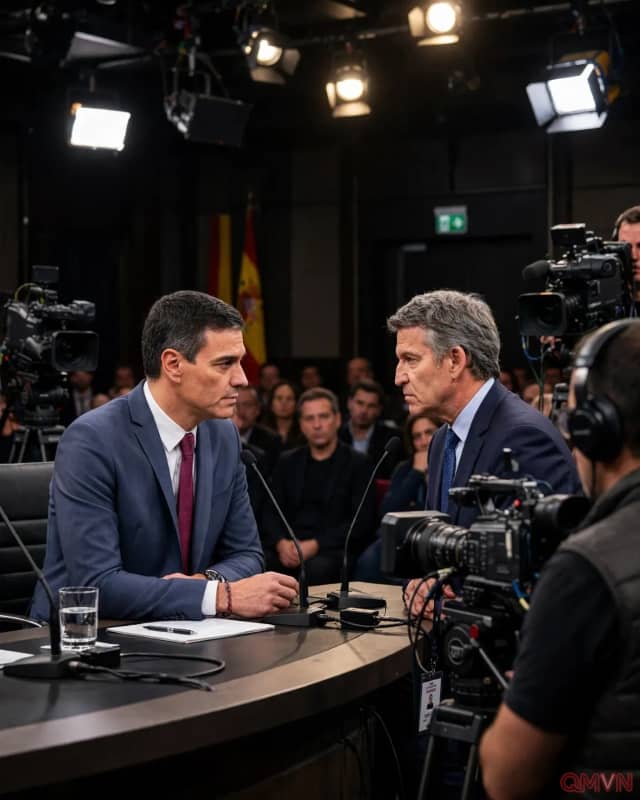
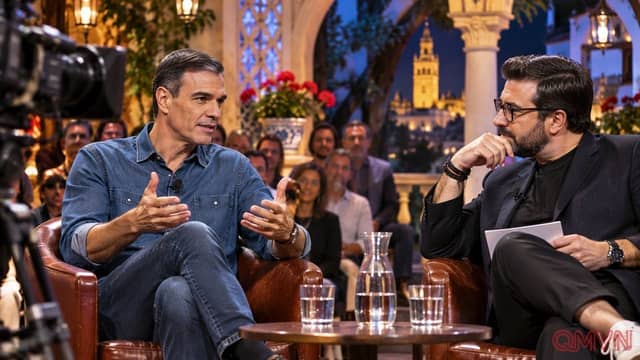
The debate, held on Thursday, November 19, was organised in an unusual format for Spain. Its main features were:
- Organiser: the Spanish Television Academy, at the Socialists' proposal, rather than a single broadcaster.
- Moderator: María Casado, president of the Academy.
- Structure: five thematic blocks agreed between the two parties.
- Order: decided by lot, with Feijóo opening and Sánchez having the final word.
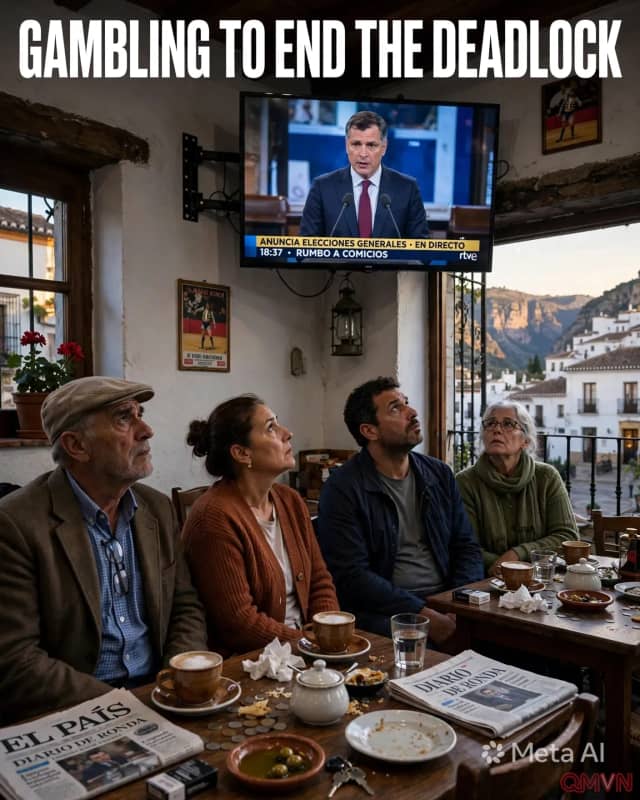
The signal was offered to all broadcasters, so the debate was carried by the main national channels at 10 p.m.
It was the first face-to-face encounter between the two men since the campaign for the July 2023 election.
Génova's triumphalism and the lessons of 2023
After the cameras switched off, the PP's headquarters on Génova Street quickly claimed victory, with a triumphalism noted by observers. The Socialists, for their part, have offered a different assessment of the evening. As is customary, each camp is trying to shape the narrative in the days that follow, when far more voters learn about a debate through clips, radio and newspapers than watched it live.
The PP has reason to be cautious about reading too much into a single night. In July 2023, Feijóo was widely judged the winner of his debate against Sánchez, and his party went on to win the most seats. Yet it fell short of a majority, and Sánchez was able to form a government with the support of other parties. Debates can move moods; elections in Spain are decided by parliamentary arithmetic.
Ten days to the ballot box
The campaign now enters its final stretch. A polling average compiled in mid-November gave the PP about 31% of the vote, the Socialists around 27% and Vox about 19%, with left-wing and regional parties further behind. On those numbers, no party would govern alone, and alliances will be decisive.
For Feijóo, the challenge is to turn a lead in the polls into a majority without depending too heavily on Vox. For Sánchez, who called the election after parliament rejected his housing measures, the task is to mobilise left-leaning voters around issues such as housing. The debate was one chapter; the final word belongs to the voters on November 29.