Decoding Human Reflexes Within Immersive Virtual Environments
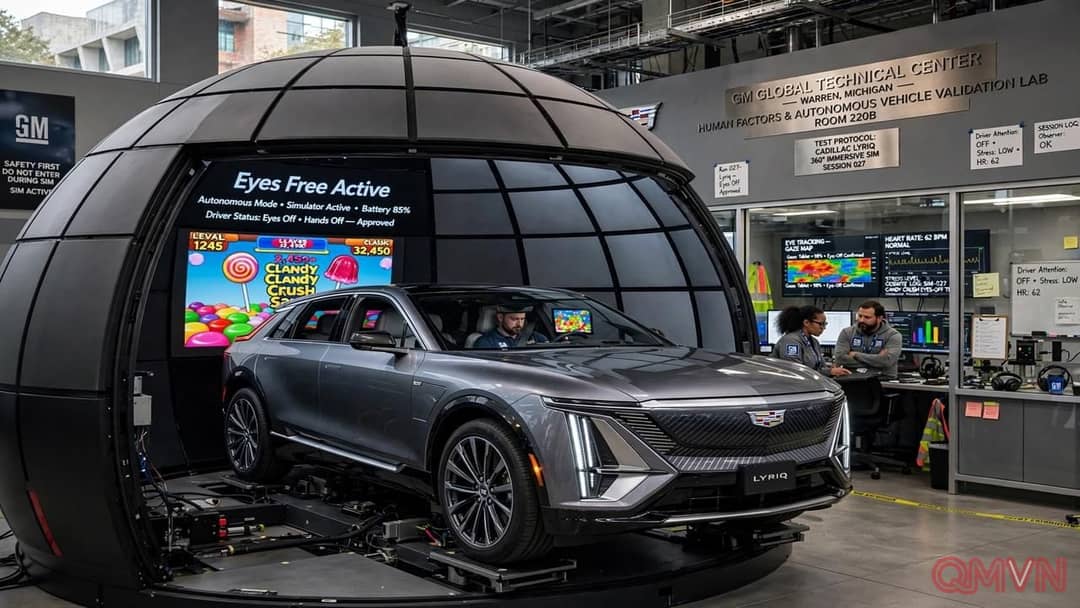
Inside the advanced research laboratories in Warren, Michigan, General Motors is conducting one of the most comprehensive human-machine behavioral testing programs in industrial history. Volunteer drivers take the physical wheel of the electric Cadillac Lyriq, encountering synthetic rainstorms, unexpected construction obstacles, jaywalking pedestrians, and aggressive highway traffic. Rather than testing the vehicle’s sensor suite in isolation, GM’s engineering teams focus intensively on the physiological limitations and cognitive responses of the human operator.
Going eyes off is really the turning point where consumers will be more willing to pay for this feature, because when you go eyes off, now you’re really potentially giving the driver back some time, because they don’t have to be paying attention to the road.
To precisely calibrate the transition of control during sudden roadside emergencies, researchers employ innovative diversion techniques, including inviting operators to play mobile games like Candy Crush on mounted tablets while the automated system navigates. By tracking ocular scan paths, heart rates, and the critical seconds required for a distracted driver to re-engage physical controls, GM refines its predictive handover algorithms to guarantee absolute operational safety.