MAIN CONTENT
When a clothing button becomes a security checkpoint
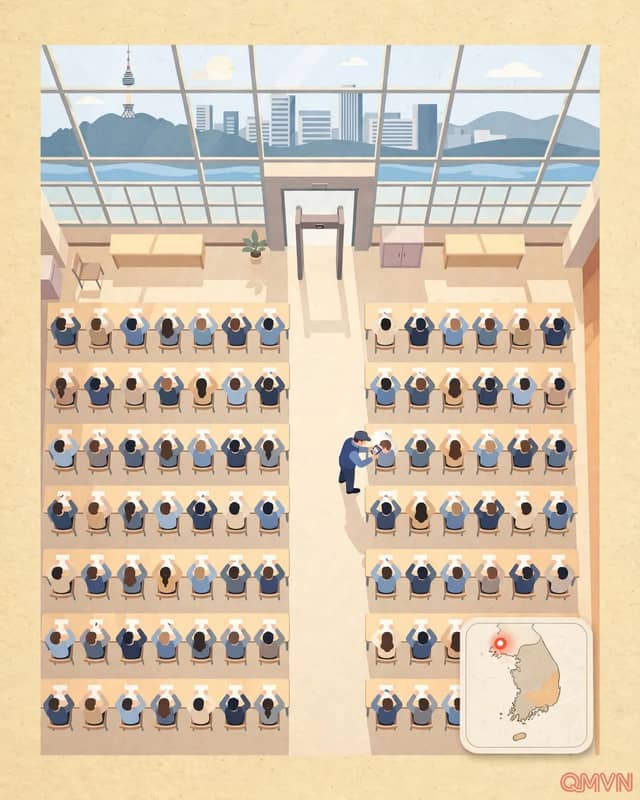
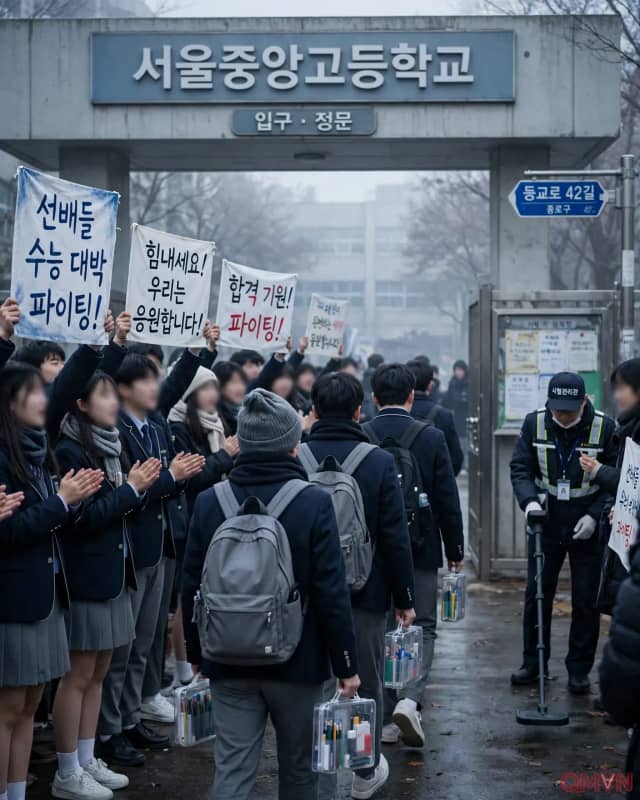
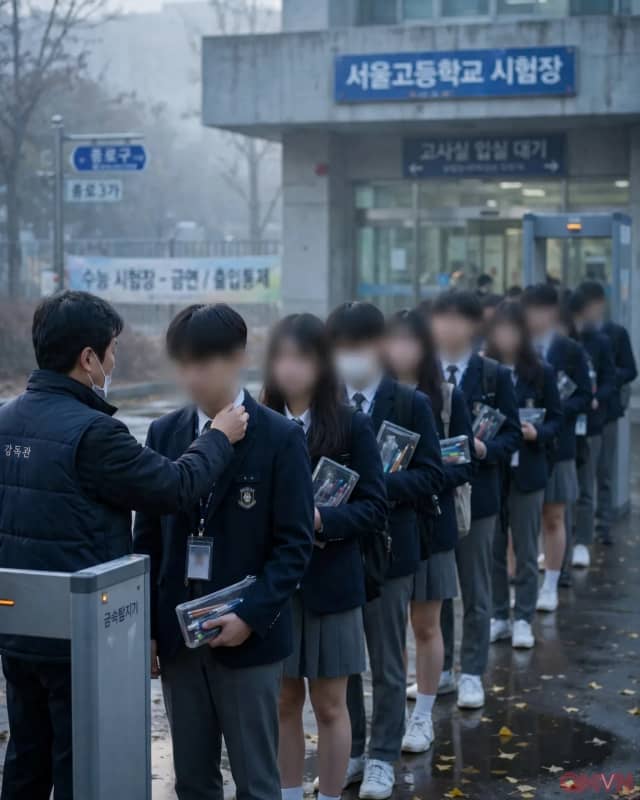
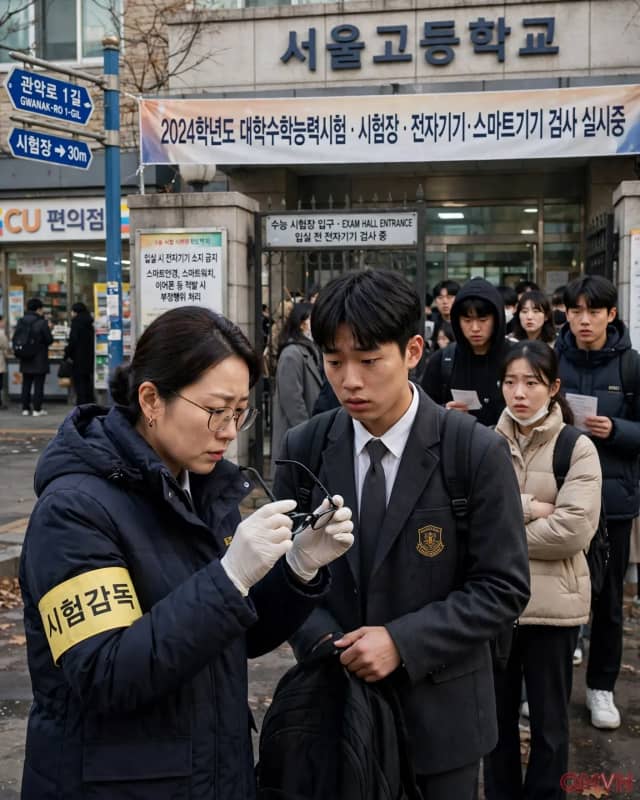
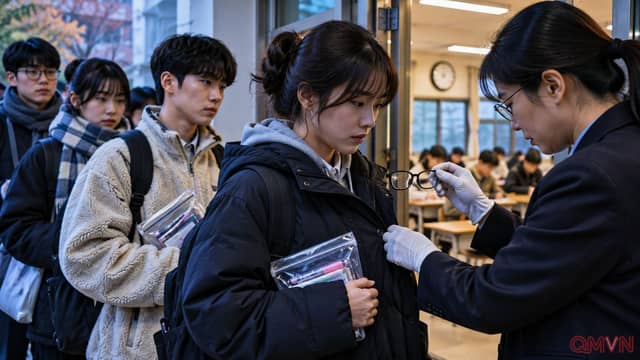
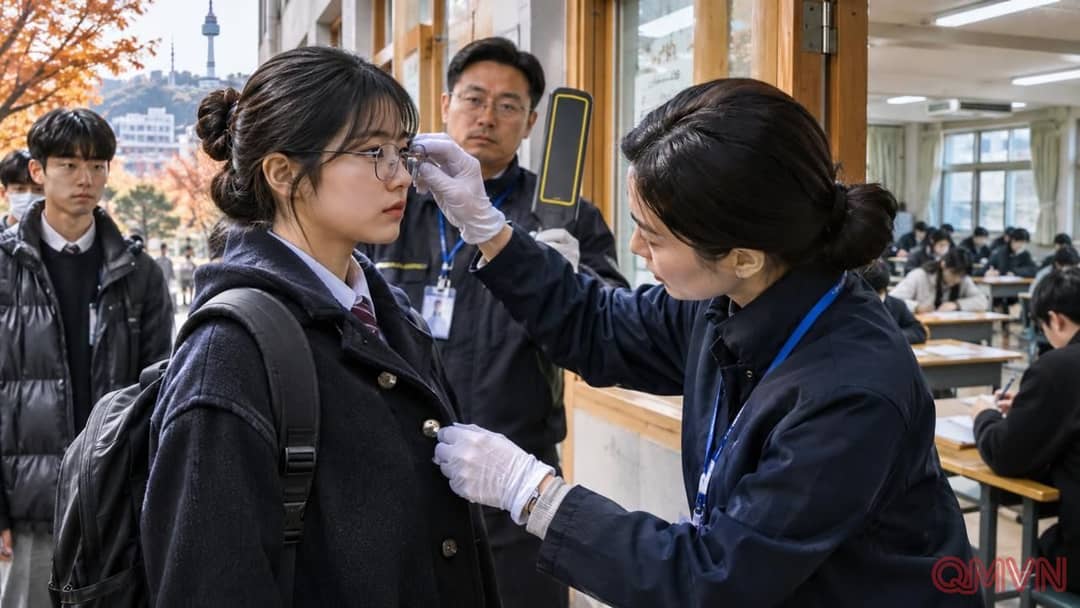
At test centers, supervisors will examine everyday objects: spectacles, shirt collars, sleeves and individual buttons. Under measures announced on November 17, candidates must place their glasses on their desks before the first session so they can be checked for smart functions. They will also be asked to roll up their sleeves. Stickers placed over buttons are designed to obstruct miniature camera lenses disguised as ordinary clothing accessories. Metal detectors offer an additional screening layer, although they cannot replace careful visual inspection.
The measures reflect how consumer electronics have evolved. Cameras can now be exceptionally small, while network-connected glasses can record and transmit information. Technologies that may be practical in daily life create an entirely different risk in an examination hall, where one covert photograph of a question paper could compromise the confidentiality of a competitive assessment.
A security network extending beyond the classroom
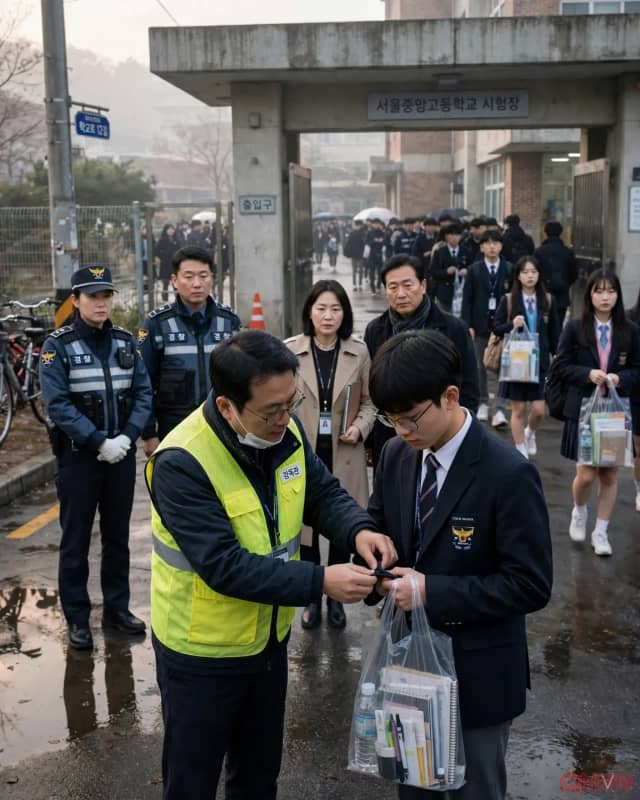
According to KBS and Yonhap, approximately 1,312 centers will receive an additional 1,800 specialists in smart-device checks and 6,600 hallway monitors, supplementing roughly 75,000 existing proctors. Bags must remain outside examination rooms.