Fake university students at Jakarta police rally ignite intense debate over state-backed efforts to blunt public dissent
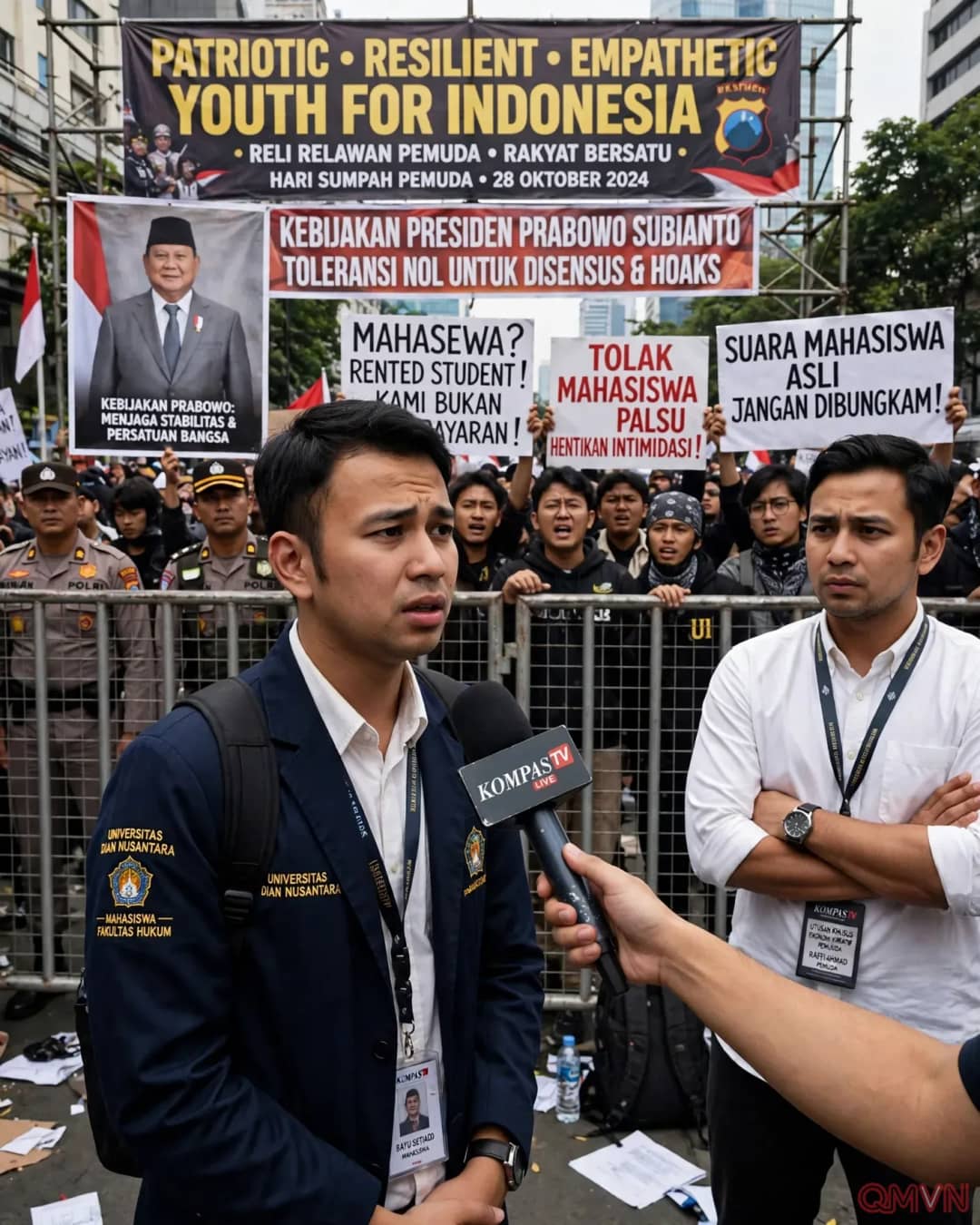
A public rally organized by the Jakarta Metropolitan Police under the banner of promoting national unity has triggered severe public backlash and sparked intense debate across Indonesia, after an attendee admitted in a live television broadcast that he was financially compensated to pose as a university student. The controversy erupted in the immediate wake of National Youth Pledge Day, during which thousands of genuine university students and civil society activists staged demonstrations protesting regional environmental haze, escalating living costs, and President Prabowo Subianto’s multibillion-dollar flagship initiatives. Beyond spawning the satirical viral portmanteau "mahasewa" (rented students) across domestic social media, the unmasking of paid participants has drawn sharp criticism toward the administration’s systemic deployment of state-backed influencers, celebrities, and orchestrated counter-rallies to marginalize legitimate public grievances.
Edite QUANG MINH·2 min read · 3 min listen·3 November 2026, 05:38 EST·
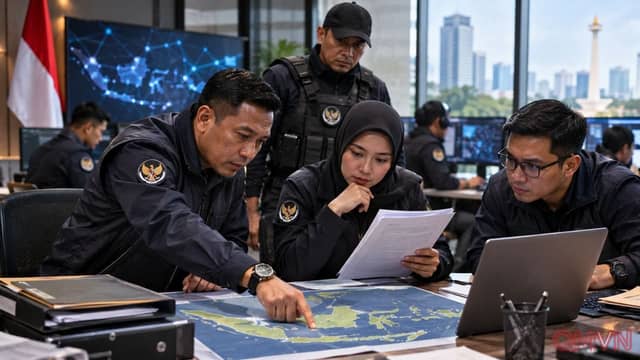
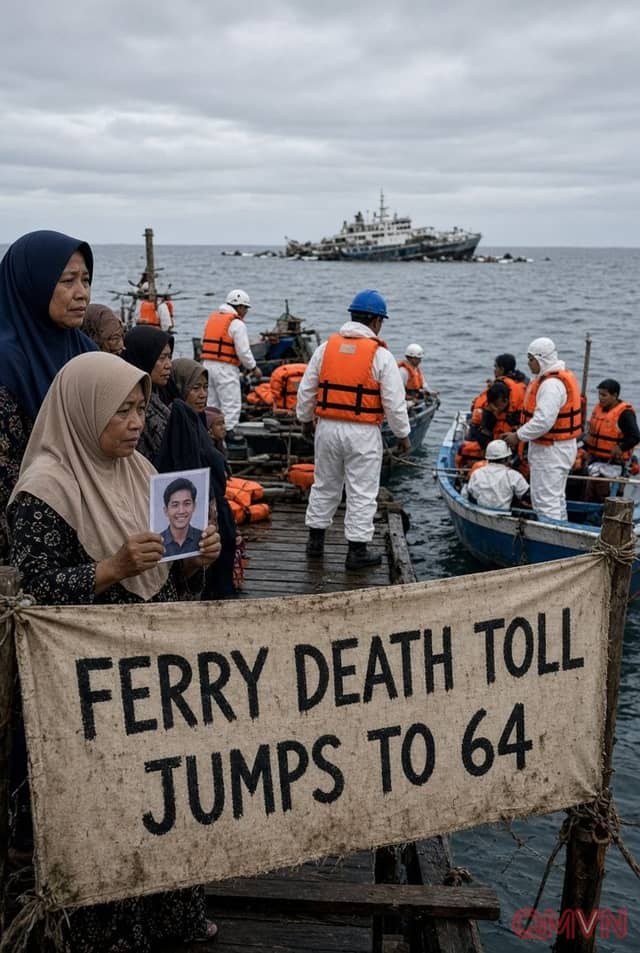
AI-generated illustration
MAIN BODY
Live television disclosure and the viral "mahasewa" public backlash
The state-sponsored unity rally unraveled during a live broadcast by national network Kompas TV when attendee Bayu Setiadi, dressed in an official blazer from Dian Nusantara University, was unable to answer basic questions regarding his academic faculty and misidentified his institution. Bayu subsequently confirmed publicly that he was not an enrolled student and had received monetary payment from a local community entity to wear the provided blazer and attend.
Advertisement300 × 250
*"The event was clearly orchestrated to provide a counter-narrative to the students’ protest by flaunting "students" who supported the government." — Made Supriatma, Visiting Fellow at Singapore’s ISEAS-Yusof Ishak Institute*
The incident immediately ignited widespread viral condemnation, with Indonesian citizens coining the term "mahasewa" (combining mahasiswa for student and sewa for rent). While the Jakarta Metropolitan Police issued a public apology and launched an internal inquiry into those masquerading as students, civil liberties advocates underscored the damaging effect on civic trust.
An attendee admitted on live television to receiving financial payment to pose in university attire at the police rally.
Indonesian public coined the viral term "mahasewa" to mock and denounce government crowd-mobilization tactics.
Jakarta Metropolitan Police issued an official apology acknowledging public concern and promising administrative reviews.
The institutionalization of celebrity influencers and evolving governance styles
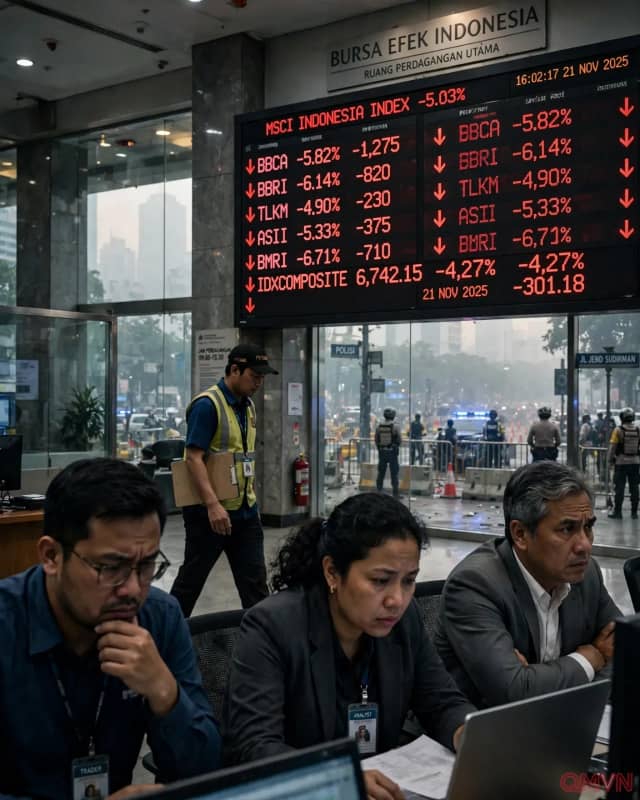
Public scrutiny quickly converged upon prominent celebrity entrepreneur Raffi Ahmad, whom President Prabowo recently appointed as Special Presidential Envoy for Youth and the Creative Economy. Facing severe online boycott calls, shares in Raffi’s media conglomerate, RANS Entertainment, tumbled nearly 5%, compelling him to issue a public apology clarifying his attendance strictly as an invited guest.
*"These follow-up events usually have a celebratory mood, to differentiate themselves from the "doom and gloom" of a protest." — Ika Karlina Idris, Co-Director of the Monash Data & Democracy Research Hub*
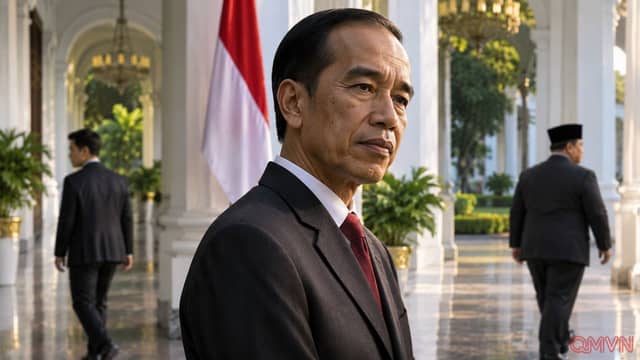
Political observers contrast President Prabowo’s confrontational strategy with the nuanced approach favored by former President Joko Widodo. The formal integration of entertainment personalities into ministerial staff roles, coupled with saturated daily public relations campaigns, risks polarizing political discourse and entrenching opposition among educated youth.
Presidential youth envoy Raffi Ahmad faced widespread boycott campaigns and saw company shares drop nearly 5%.
Scholars identify an established pattern of holding upbeat counter-events to neutralize critical demonstrations.
The Prabowo administration’s confrontational management of public criticism marks a structural break from previous administrations.
EVENT BACKGROUND
This political controversy emerged in early November 2026 in Jakarta, against the backdrop of mounting socio-economic friction facing the newly inaugurated administration of Indonesian President Prabowo Subianto. On October 28, 2026, commemorating the historic 1928 National Youth Pledge Day, thousands of authentic university student unions mobilized across central Jakarta to voice acute grievances regarding transboundary haze pollution, deteriorating purchasing power, and controversial state expenditure programs including the multi-billion-dollar Free Meals initiative. In response, the Jakarta Metropolitan Police organized an ostensibly civic unity gathering at the identical site the following day, deploying military personnel, entertainment figures, and institutional banners. The essential crux of the crisis lies in the direct collision between genuine youth mobilization addressing tangible cost-of-living hardships versus top-down state communication strategies that rely upon paid crowd fillers and celebrity co-optation, inadvertently eroding governmental credibility and intensifying public cynicism.
KEY LESSONS LEARNED
Authentic institutional legitimacy cannot be fabricated through astroturfing and transactional crowd mobilization.
Governments must engage substantively with citizen grievances regarding living standards rather than staging celebratory counter-narratives.
High-profile public figures assuming state appointments carry heightened ethical obligations and must navigate political alignments carefully.
Subscribe to the QMVN newsletter
A daily morning digest - only stories worth reading, no spam.