MAIN ARTICLE
Contact without changing course
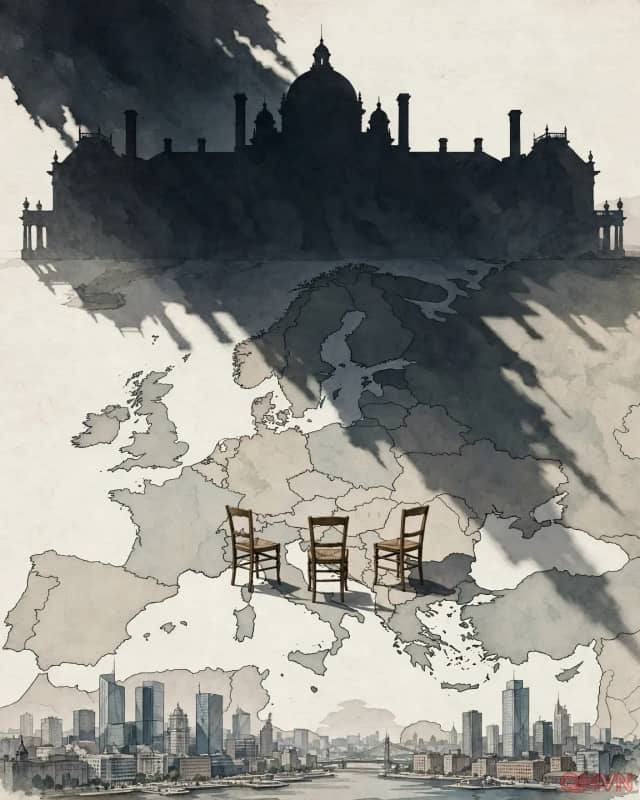
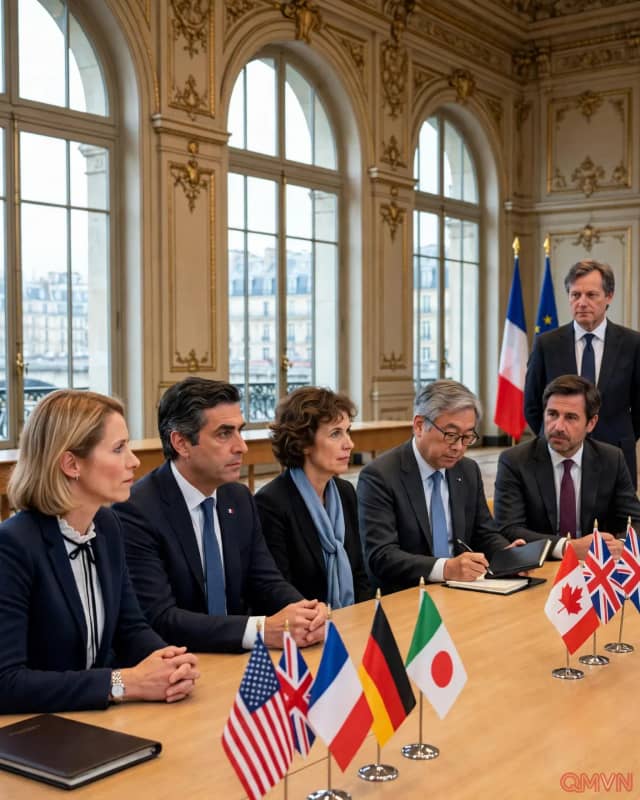
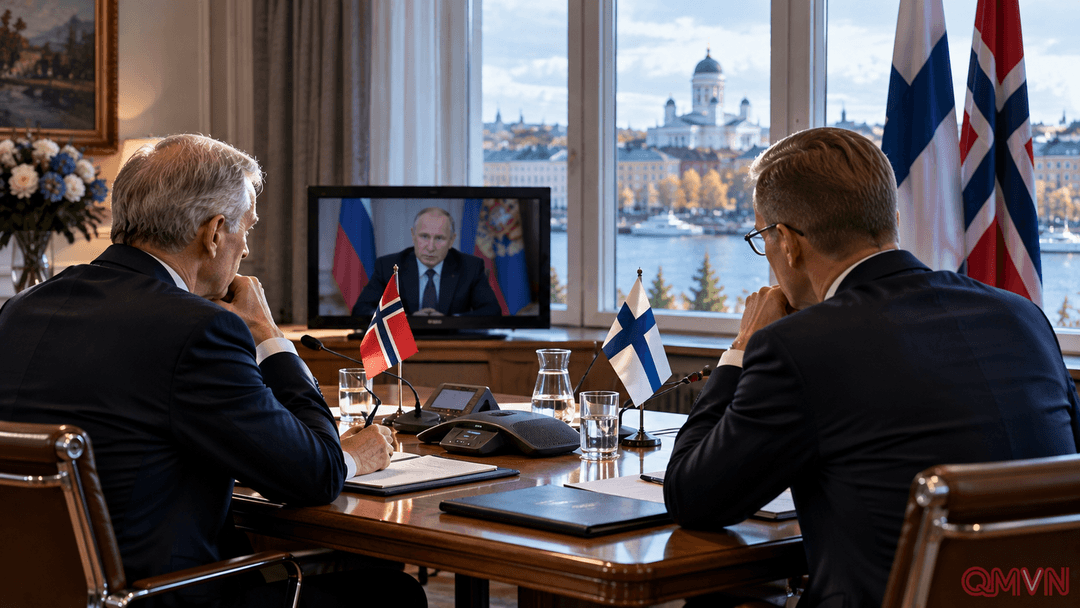
The October 27 call was initiated by Støre and Stubb, leaders of two countries sharing a border with Russia. Joint statements from Norway’s government and Finland’s presidency say they spoke from Helsinki after consulting Ukraine. Neither presented himself as the representative of Europe as a whole. Their central message was that the war must end and negotiations should resume, while their longstanding support for Kyiv would continue. Their security concerns also extend to the Baltic Sea and the High North.
Speaking to Norway’s public broadcaster NRK the following day, Støre argued that Putin should hear European positions directly, not merely through American intermediaries. He did not suggest that one call could instantly change Moscow’s calculations. That acknowledgement reveals a more modest objective: preserving a channel through which practical de-escalation ideas can be aired, rather than portraying contact itself as a diplomatic breakthrough or a concession to Russia.
Small safeguards before a comprehensive settlement
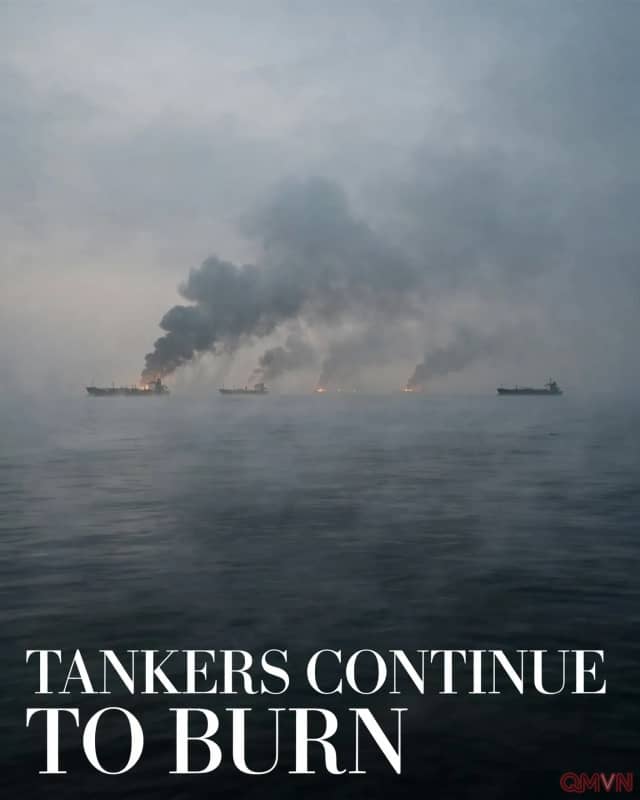
Norway proposed tangible steps short of a final peace treaty: stopping strikes on energy infrastructure in Russia and Ukraine, protecting vessels exporting Ukrainian grain, and arranging prisoner exchanges. Such measures would not settle territorial disputes, but they could reduce civilian suffering and test whether the sides are prepared to implement limited commitments.