MAIN CONTENT
An acting commander seeks a permanent mandate
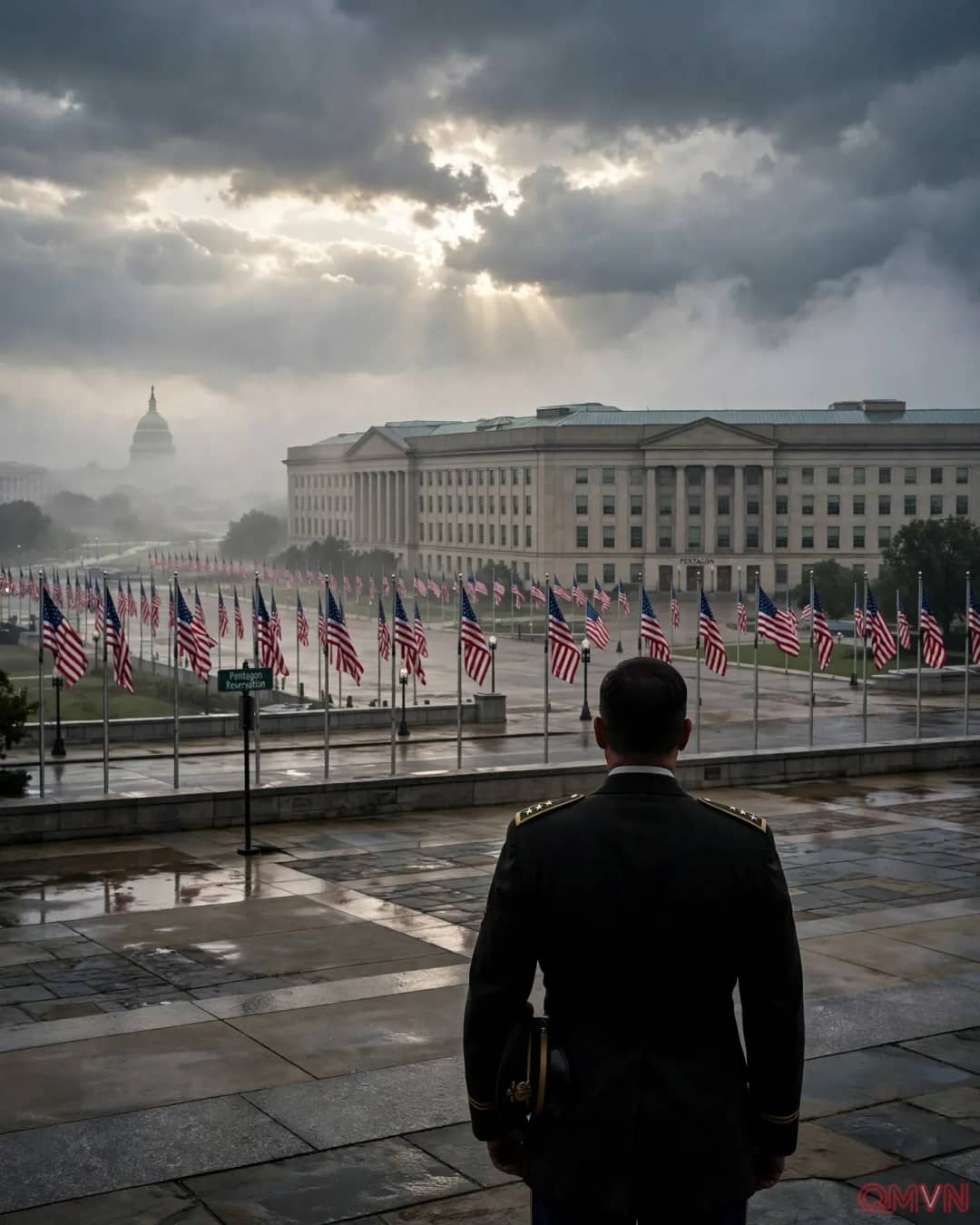
LaNeve is not arriving at the Pentagon as an unfamiliar outsider. When Randy George was removed in April, LaNeve took over the chief of staff's responsibilities on an acting basis. Trump's formal nomination on November 17 therefore seeks to give a lasting institutional footing to a role LaNeve has been performing for months. It does not mark the start of his involvement in the Army's senior decision-making.
In a statement, LaNeve pointed to his 36 years of Army service and said he was honored by the president's confidence. If confirmed, he pledged to continue serving soldiers, their families and the country. His conditional language reflects a constitutional distinction: the White House selects a nominee, while senators must consider whether to consent to the appointment.
The Senate obstacle is more than a timetable
The Washington Post reported that Republican Senator Joni Ernst of Iowa, an Army veteran, had opposed confirming LaNeve. George, his predecessor, is a friend of hers and also has Iowa ties.