A factory for 3,000 lasers a year
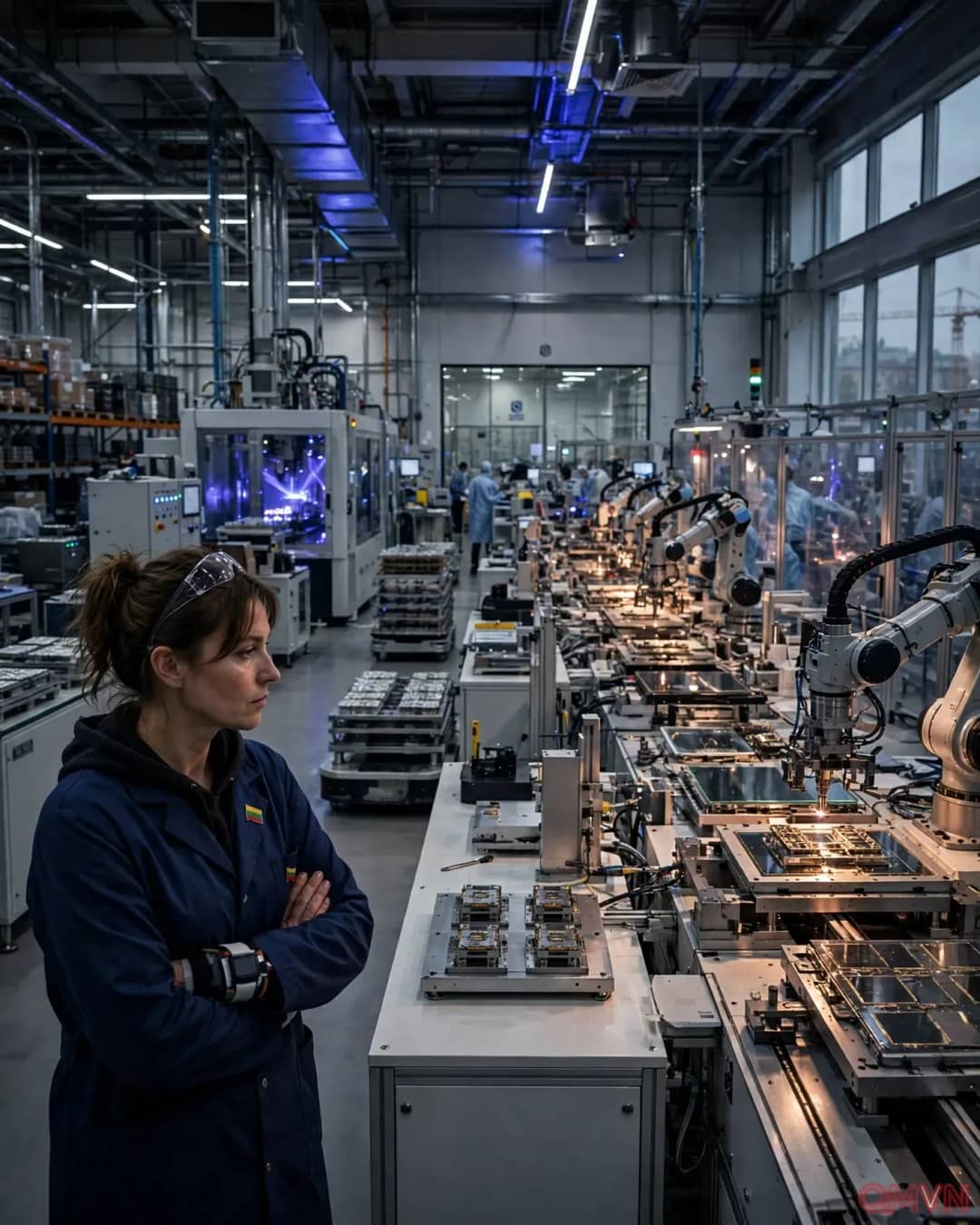
Last month, Litilit opened its new factory in Vilnius with a design capacity of 3,000 femtosecond lasers a year. The company says this is the world's largest potential production capacity for this class of advanced laser; by comparison, global output last year was estimated at about 9,600 units. The plant expects to produce 1,000 units in its first year before scaling up to full capacity, exporting most of its output to Europe, North America and Asia.
What sets it apart is automation. Legacy laser manufacturers rely heavily on manual assembly, typically producing about one laser per worker per year. Litilit's facility, by contrast, has reached around 85 per cent automation with a workforce of roughly 100 to 200 people. According to Gavrilinas, this allows the company to replicate the model in any country and limits the effects of “turbulence” in labour costs or politics; Litilit is considering further production hubs in Singapore, Japan, the United States and Europe.
When supply chains outweigh politics
Litilit has grown up in a sensitive diplomatic environment. Beijing has hit Lithuania with a series of informal trade restrictions over its Taiwan stance, and in July China's commerce ministry added Lithuanian laser maker Ekspla to its dual-use export control list alongside 13 other European Union entities.