ARTICLE
The physics above an upstairs room
A dark roof absorbs sunlight and grows hotter, allowing some heat to pass through the roof and ceiling into living space. A pale material or a coating with high solar reflectance retains less energy at the surface. The roof can become substantially cooler without the indoor air falling by the same number of degrees. Insulation, attic ventilation, glazing, sun on walls and air-conditioner use all influence the final result.
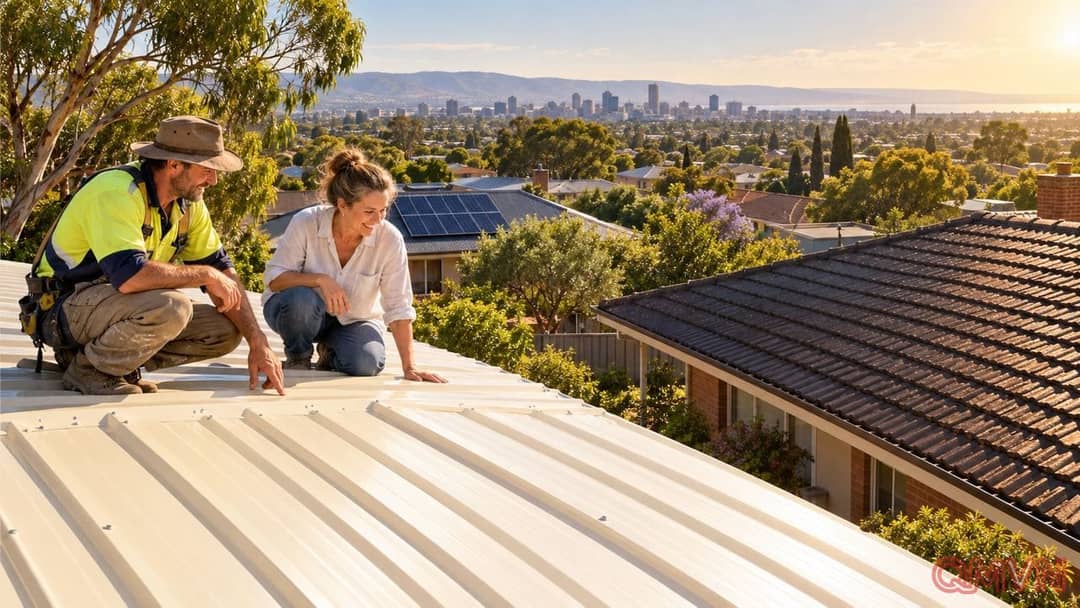
Nic Jacobsen told The Guardian that upstairs rooms in his Adelaide home had been oppressive even with powerful air conditioning. Better insulation helped, yet he could still feel heat through a metal roof and west-facing wall; after applying a reflective coating he noticed an improvement. His experience helps identify a possible remedy, but it is not a controlled measurement of electricity savings. Comparing bills and indoor temperatures over comparable weather, while accounting for other home changes, would give a firmer estimate.
The investment needs more than one percentage
University of New South Wales researchers modelled different Australian buildings and climates and found that cool roofs can lower cooling demand and urban heat. Their work distinguishes coating a sound existing roof from replacing the entire roof: upfront cost, useful life, electricity prices and building design change the payback calculation.