MAIN STORY
When oil reaches beyond the petrol pump
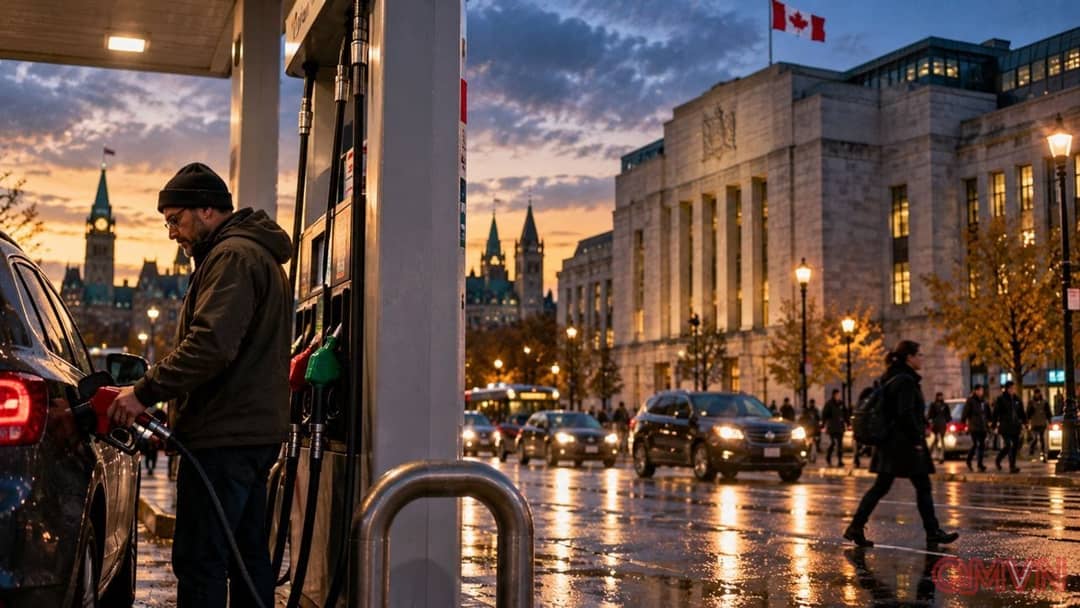
For Canadian households, the first evidence of an energy shock is often the cost of refuelling. Yet transport companies, retailers and manufacturers also purchase fuel or energy-intensive services. Higher costs can eventually work their way into groceries, deliveries and other everyday goods.
Central bankers distinguish a direct, temporary rise in energy prices from so-called second-round effects. Those emerge when companies repeatedly raise prices or workers and businesses adapt their wage and pricing expectations to prolonged inflation. Interest rates cannot reopen an oil shipping route, but they can restrain domestic demand and limit the risk that an external shock becomes self-reinforcing.
Macklem’s warning ahead of October 28
Speaking to journalists from Bangkok on October 17, Tiff Macklem pointed to continued Middle East conflict, curtailed shipments and damaged refinery capacity. He warned that the risk of inflation broadening and becoming more persistent had increased.