An image of a new diplomatic style
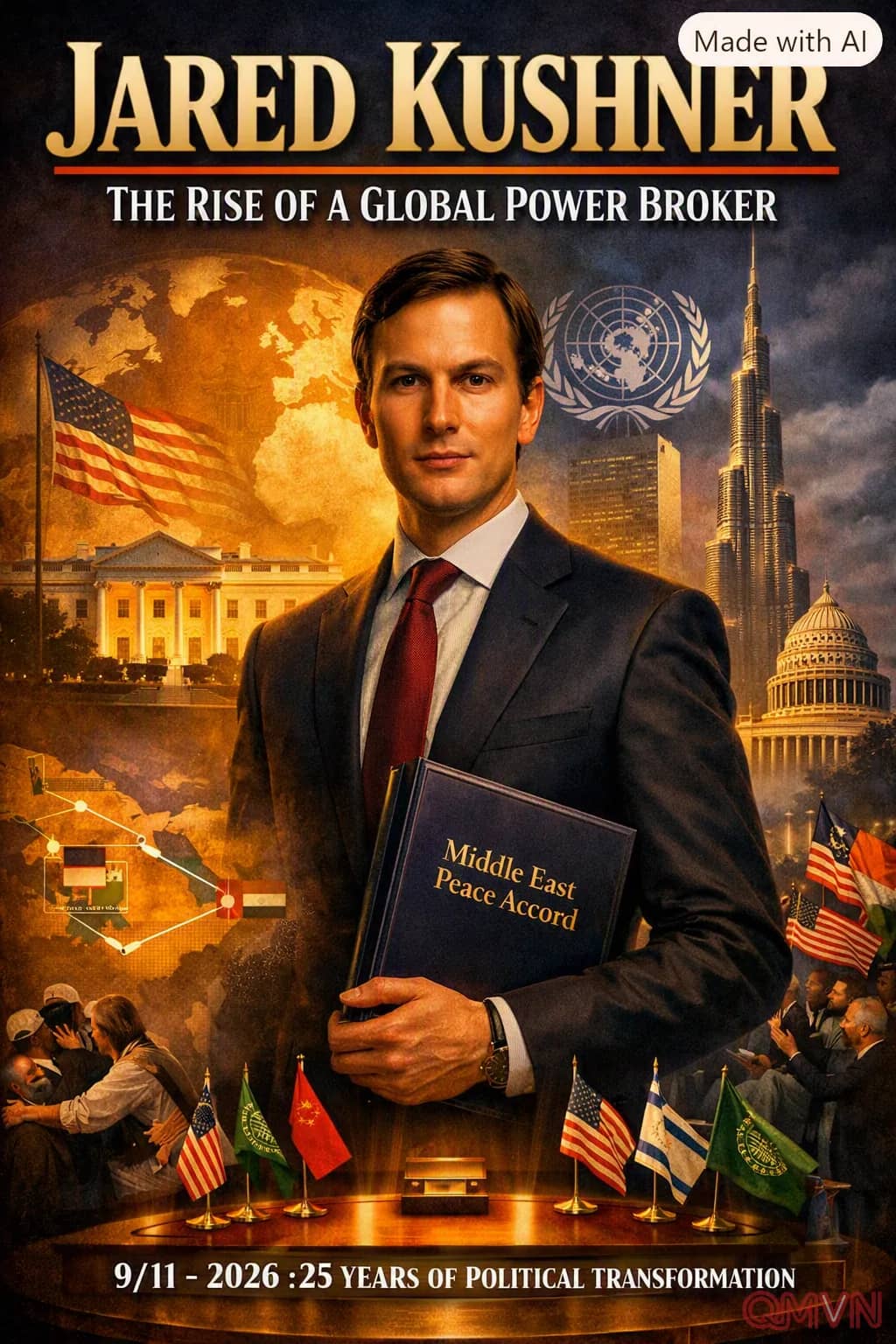
A photograph of Kushner on a Russian tarmac, wearing white sneakers as he greeted negotiator Kirill Dmitriev beside a United States government aircraft, captured the informality and reach of his position. Kushner is not a career diplomat. He is Trump’s son-in-law, a former senior adviser and the chief executive of Affinity Partners. Nevertheless, he now enters rooms where decisions about war, sanctions and reconstruction are discussed. His authority is rooted less in a conventional portfolio than in direct presidential trust and his capacity to speak to political and business networks at the same time.
The trip was more than theater. Kushner and Witkoff held hours of separate talks with Vladimir Putin and Volodymyr Zelenskyy. Reuters reported that Zelenskyy described some American proposals as genuinely worthwhile but withheld details while the parties continued working. No breakthrough followed, and the fate of Donbas remains a central divide. Still, diplomacy often begins by restoring communication and identifying smaller subjects where movement is possible. The visit therefore matters as an opening, not as evidence that peace is already near.
The advantage and fragility of personal trust
Kushner’s strongest asset is his understanding of Trump and his ability to carry messages without layers of bureaucracy. In a negotiation shaped by mistrust, knowing what the ultimate American decision-maker may accept can reduce ambiguity. Kushner also built relationships across the Middle East while helping negotiate normalization agreements between Israel and several Arab states during Trump’s first term. Those ties may be useful when countries such as the United Arab Emirates or Turkey offer venues and political support for renewed talks.