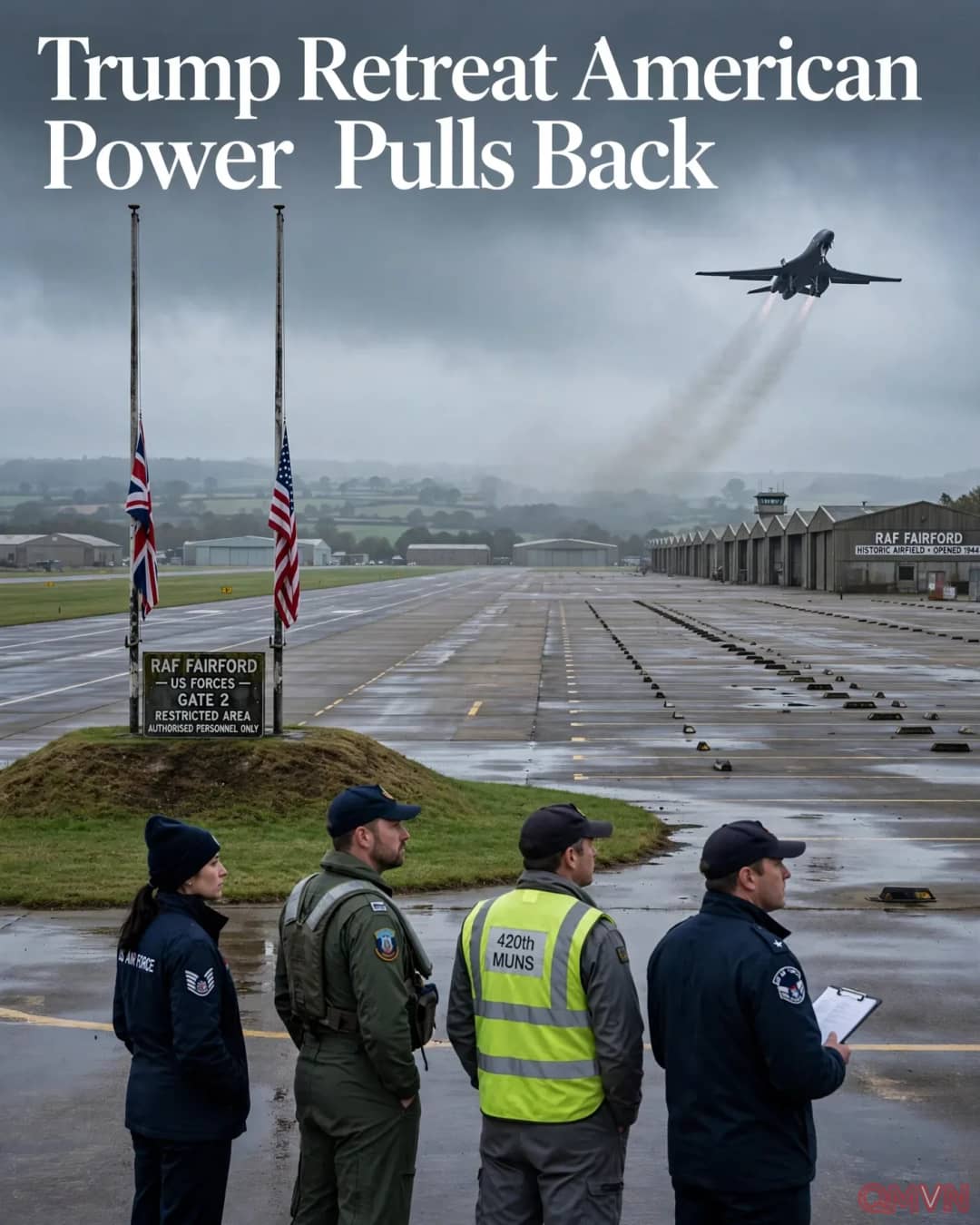
Twelve bombers leave Fairford
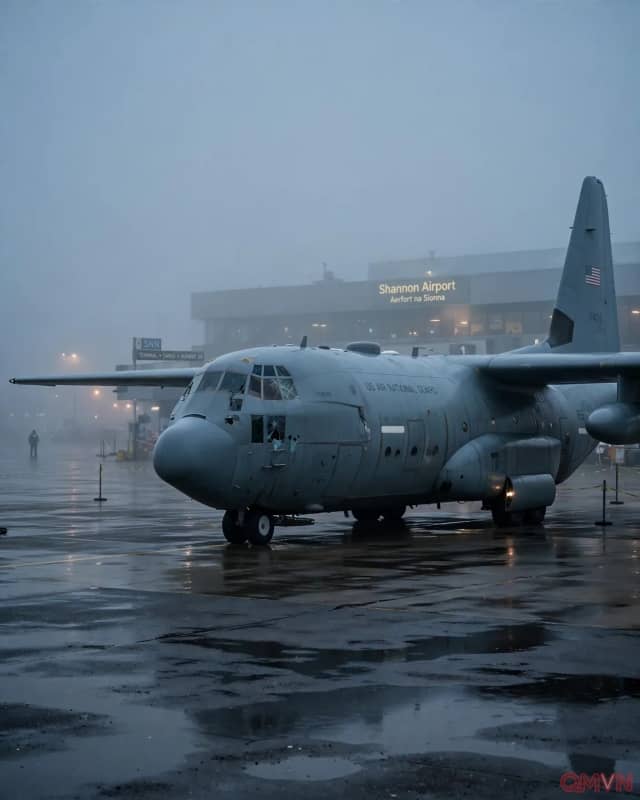
President Trump insisted that withdrawing the 12 B-1 bombers from Britain was no big deal, and Secretary of State Marco Rubio said the Pentagon routinely moves resources to where they are needed. On Monday, however, US and British officials said commanders had received specific, credible information that Iran-backed operatives were preparing to launch drones at the aircraft and US troops from right outside the base fence.
The suspected plot may have been inspired by Ukraine's audacious operation last year, when it smuggled drones deep into Russia and launched them from trucks, damaging or destroying at least a dozen aircraft. Such attacks have forced the Pentagon to rethink what safety means: keeping forces out of missile range is no longer enough, because drones and cyberweapons have reshaped the battlefield. Fairford, built in preparation for the D-Day landings in 1944, has long been a mainstay of US-British military cooperation. Air Force officials say the bombers may return, and even if they cannot, long-range missions can still be flown from the United States.
Bases left behind in the Middle East
As soon as the war began, Iran retaliated with strikes on the network of US bases across the region. Many of the 13 main bases used by American troops quickly became uninhabitable: