MAIN CONTENT
A survey designed to hear the youngest performers
The Culture Ministry’s initiative is intended to do more than count teenage performers. Officials want to establish their ages, how many are represented by entertainment agencies, and whether rights involving education, physical and mental well-being, sleep and rest are respected. The scope and methodology remain undecided; it would therefore be premature to suggest every individual contract will be audited.
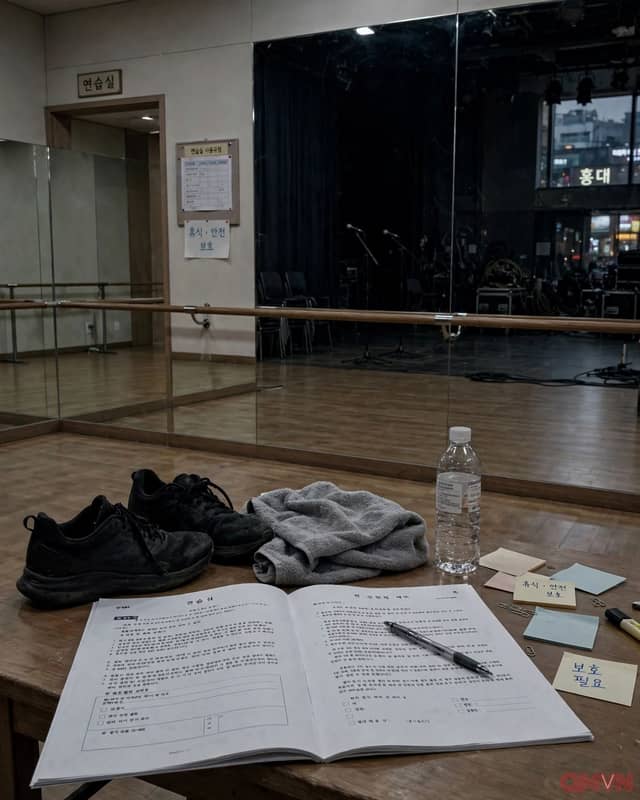
Kim Yu-mi, who heads the ministry’s Popular Culture Industry Division, has described plans to expand counseling and legal advice and reconsider the standard contractual framework. The survey, planned for 2027, could provide evidence of the distance between written rules and backstage life: long rehearsal days, interrupted schooling and an uneven ability to voice objections.
NewJeans and the boundaries of a fair bargain
A November 5 investigation by The New York Times, echoed in Korean and international coverage, scrutinized exclusive agreements signed by NewJeans members and ADOR in 2022. Among the issues were the allocation of some training-era expenses, including certain cosmetic services, and the duration of rights to use performers’ names, images and voices after an agreement ends. Potential AI-generated uses attracted particular attention.
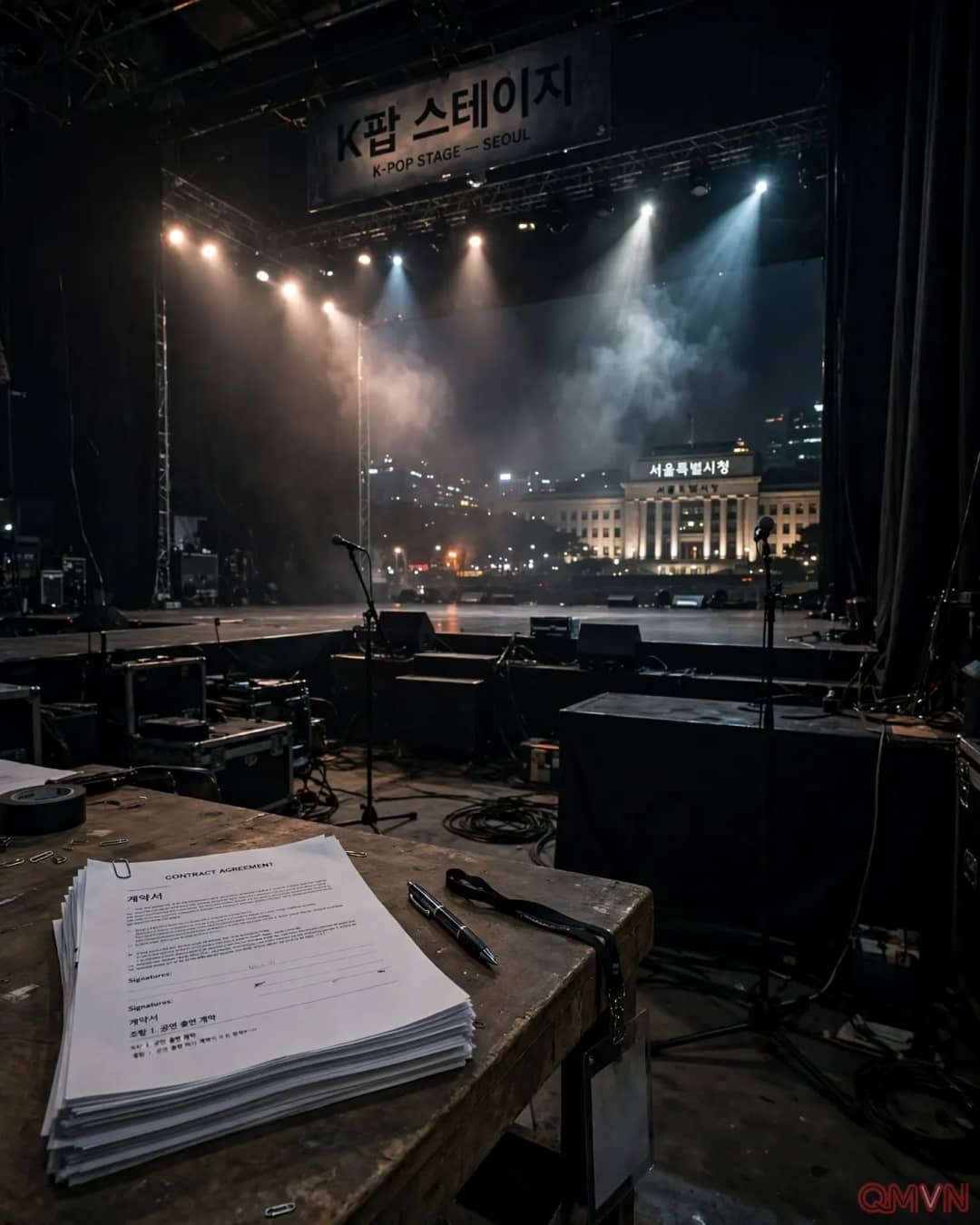
Other questioned clauses concerned personal behavior, relationships and the formula for penalties if an agreement ends early. They raise a central problem: how much bargaining power does a teenager really possess when admission to a high-pressure entertainment career depends on a powerful company? At the same time, criticism of clauses does not itself establish illegality. Legal assessment requires reading the complete agreement, attached protections and how they were applied.
HYBE and ADOR say the contracts were negotiated with the members, their parents and legal representatives, and maintain that protections consistent with the government’s supplemental agreement for minors were included. The companies contest suggestions that young artists’ fundamental rights were abandoned. The public-interest question is thus broader than the wording of one document: how can promised safeguards be independently checked?
The law exists; enforcement remains the challenge
South Korea’s Popular Culture and Arts Industry Development Act requires agencies to protect young artists’ health, education, personal rights, sleep, rest and free choice. It sets age-specific working-hour rules and broadly restricts activities from 10 p.m. to 6 a.m., subject to specified exceptions and conditions.
Under the published statute, performers younger than 15 ordinarily may not exceed 35 hours a week; the baseline for those aged 15 and older is 40 hours, with limited additional hours allowed under agreed conditions. A revised standard supplemental agreement also articulates young performers’ freedom of choice and educational rights. Such provisions matter, but an adolescent may struggle to complain when a debut, a career and the hopes of an entire family appear to be at stake.
The emergence of groups with members as young as 13, including A2O Lite cited in Korean reporting, makes the issue more immediate. A child may genuinely love performing, but enthusiasm cannot replace informed consent or an effective channel for raising concerns. Parents, agencies and public authorities share responsibility for establishing workable boundaries.
From model contracts to a different management culture
The government introduced standard exclusive contracts in 2009 to address abusive arrangements as K-pop expanded internationally. Technology has since complicated the landscape: who controls a synthesized voice, may an artist refuse a digital replica, and how long should a company retain rights to a likeness once the working relationship ends?
Possible reforms include more transparent recording of rehearsal and school hours, age-appropriate explanation of contract terms, independent counsel and safe complaints mechanisms. These are policy options, not measures the government has already adopted. The value of the planned survey will ultimately depend on whether young performers can describe their experiences without risking the opportunities that brought them to the stage.