MAIN ARTICLE
A commander killed, another succession interrupted
During the night of November 14-15, an Israeli strike in the Al-Mawasi area near Khan Younis killed Samir Mahmoud Abu Younis. Israel’s military and Shin Bet security service described the target as a senior Hamas figure, and the Al-Qassam Brigades subsequently identified the commander. Reuters reported, citing local medics, that other people were wounded. The exact circumstances of the attack and the full casualty toll warrant independent scrutiny. The announcement nonetheless made plain that the pursuit of senior commanders has continued even during the ceasefire.
Hamas said Abu Younis entered its armed wing in 1991 and helped plan and oversee the October 7, 2023 attack on Israel. He replaced Nael Abu Obeid, killed in September, who had succeeded Mohammad Shabana after his death in May 2025. This repeated turnover demonstrates the persistence of Israel’s campaign against the movement’s leadership. It also raises a broader strategic question: removing individual commanders does not necessarily eliminate an organization’s capacity to appoint replacements, particularly without an agreed political and security settlement.
A ceasefire with no settled endgame
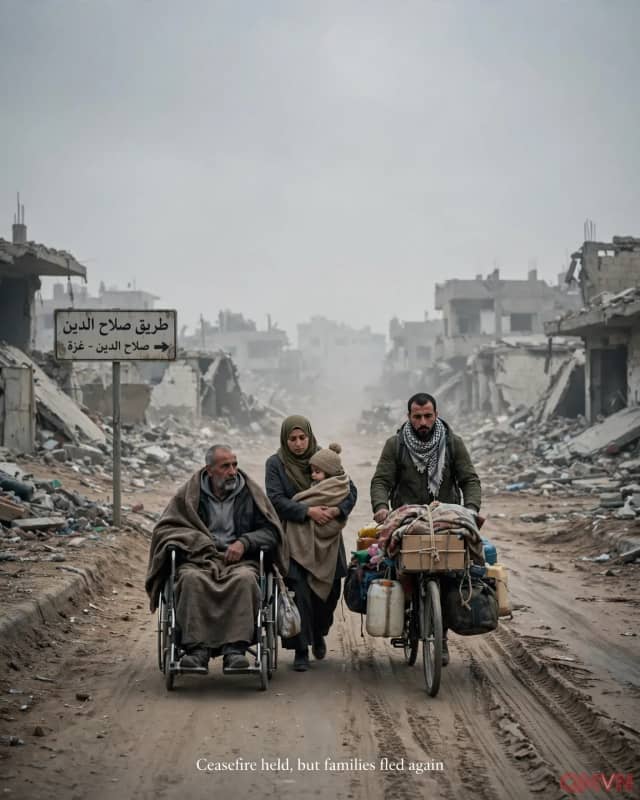
The October 2025 agreement reduced large-scale combat but did not end Israeli airstrikes or disagreements about enforcement. Israel says operations will continue until Gaza is demilitarized and Hamas no longer exercises military power.