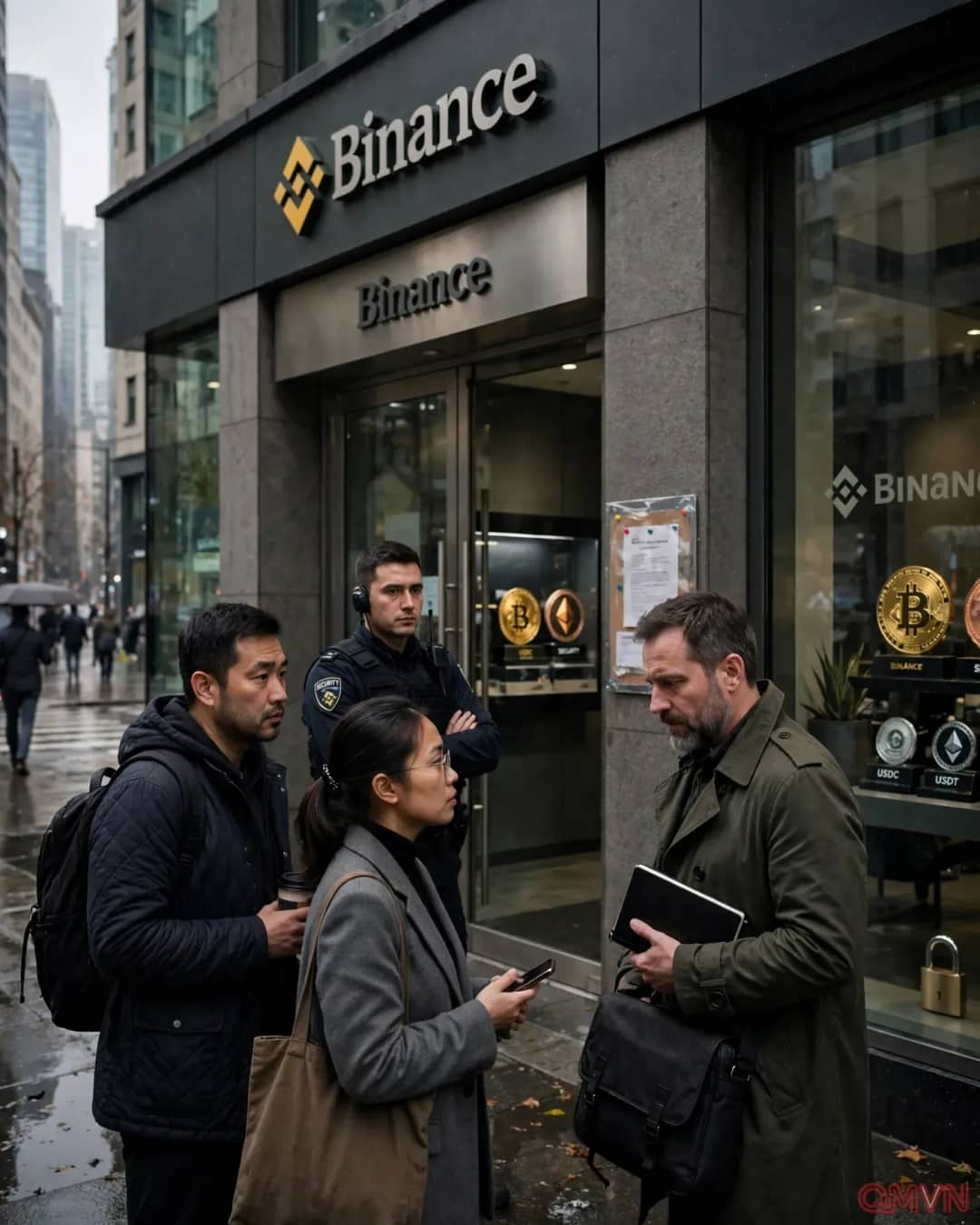
Testing Institutional Faith After the Century’s Largest Digital Heist
The cyber breach executed against Binance on Thursday evening sent shockwaves through a global trading community exceeding 335 million registered users. Suffering an unprecedented loss of $6.3 billion attributed by international intelligence agencies to state-sponsored actors, Binance immediately mobilized its corporate treasury, user insurance reserve, and specialized breach containment funds to raise $6 billion to fully absorb customer losses. When platform withdrawals partially reopened on Sunday, net outflows reached $3.64 billion ($4.6 billion withdrawn against $1 billion in fresh deposits) before transaction flows began leveling off. Tim Sun, a senior financial researcher at Hong Kong’s HashKey Group, emphasized that the episode has not precipitated systemic panic or fatal bank-run contagion akin to FTX’s historic implosion four years ago, though institutional asset allocators will undeniably reassess counterparty risk profiles.
" Our top priority right now is to ensure the environment is secure after which users can withdraw their funds and Binance can resume operations " Yi He
The Human Vulnerability of Digital Wealth and the Imperative of Asset Sovereignty
The quintessential moral resonance of this unprecedented financial shockwave does not reside in Bitcoin’s resilient rebound above $78,000, but in the acute anxiety experienced by millions of working-class individuals who entrusted their lifelong savings to a centralized digital vault. Everyday retail participants such as 39-year-old Ryan Tan noted that since the traumatic collapse of FTX, they deliberately maintain minimal exchange balances, migrating core holdings to self-custodial hardware wallets.