MAIN CONTENT
An investment boom faces a compliance checkpoint
The message from Kuala Lumpur was firm but carefully calibrated. Johari said data-centre businesses using American AI processors should respect US rules governing what he described as strategic assets. His government has not signalled a withdrawal from the digital-infrastructure race. Instead, it wants the terms of that race made explicit so investors can plan projects without discovering, too late, that a customer or hardware configuration creates a licensing problem.
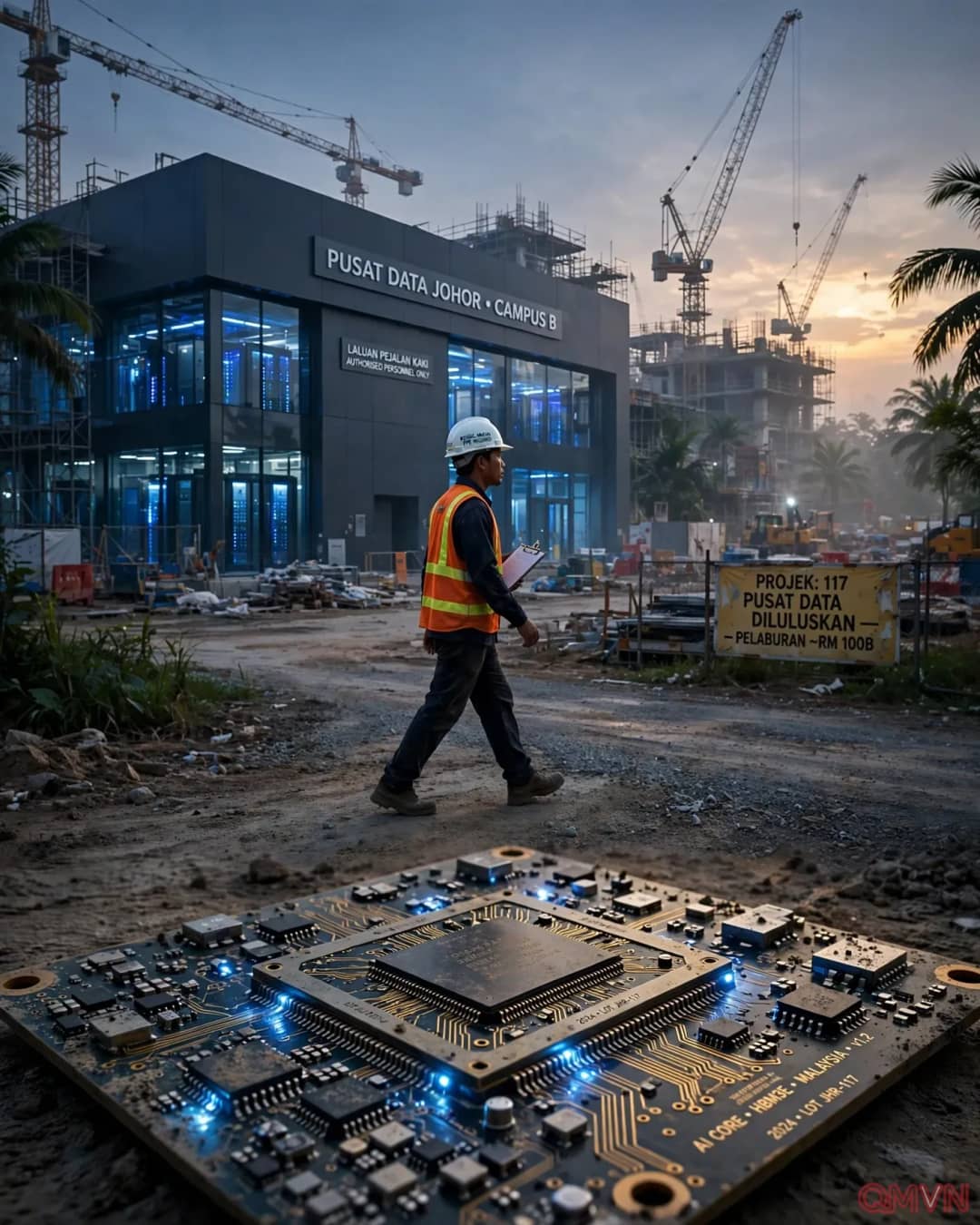
According to Reuters, Malaysia has approved 117 data-centre projects. Johari said the government would communicate applicable requirements to all of them once it receives sufficiently clear instructions. The scale matters: a single hyperscale campus can involve long construction timelines, power commitments, complex financing and customers dispersed across borders. Greater uncertainty over access to high-end chips could alter the sequencing or economics of those investments even without bringing construction to a halt.
Washington focuses on access, not just delivery
The US Bureau of Industry and Security announced new controls on November 16 that seek to address a perceived loophole in export regulation: advanced chips can remain physically in a third country while their computational power is rented remotely to restricted users. The interim rule also establishes additional licensing requirements for certain advanced computing exports to Malaysia, Singapore, Thailand, Indonesia and Brazil.
The exact obligations depend on the technology, destination and intended end user, not merely the nationality of the facility owner.
For data-centre operators, compliance therefore extends beyond checking shipping documents. It may require closer identification of customers, assessment of ultimate ownership or control, verification of workloads and contractual assurances about who can access computing power. Johari said Malaysia was seeking US clarification, particularly on licences and services provided to third parties. Such questions are central to cloud businesses, whose commercial appeal rests on allowing many customers to use shared infrastructure without owning the underlying hardware.
Scrutiny, allegations and the importance of evidence
The discussion has intensified amid scrutiny of Megaspeed, a Singapore-based cloud company with a Malaysian operation and a commercial relationship with Nvidia. US authorities have investigated whether export controls were circumvented. Megaspeed denies wrongdoing and says it takes compliance responsibilities seriously. Malaysia has separately said it is examining the matter, while emphasising that allegations must be supported by transaction records before any conclusion is reached.
Johari said his government had not received evidence that tenants of Malaysian data centres had illegally traded or re-exported chips. That distinction is important: investigations and heightened regulatory attention are not findings of guilt. A credible framework must protect sensitive technology while allowing companies to respond to specific allegations, correct weaknesses in their controls and demonstrate legitimate business activity. Blanket suspicion could impose costs on compliant operators without necessarily identifying bad actors.
The next competitive advantage may be transparency
Analysts warn that expanded US scrutiny could slow some projects or raise financing and administrative costs. Investors may ask not only whether a site has reliable electricity and connectivity, but also whether its operators can document customers and lawful access to computing systems. This creates a new kind of infrastructure risk: a technically excellent facility may struggle commercially if access to the processors it needs becomes uncertain.
Yet the rules could also reward companies able to establish dependable compliance systems. Malaysia’s stated approach combines an invitation to invest with an insistence on clear records and international engagement. Its success will depend on how promptly US authorities explain the rules, how consistently Malaysian agencies apply them and how well businesses integrate due diligence into everyday operations. For the region’s AI economy, sustainable growth increasingly requires trust to be engineered alongside computing capacity.