MAIN TEXT
A northern gateway for imported gas
Malaysia illustrates an apparent paradox of modern energy trade. Although it is among the world’s major LNG exporters, some of its own consumers need imported gas. Aggregate production figures do not tell the whole story: geography, transmission infrastructure and distance from industrial demand determine whether gas reaches a particular region reliably and affordably.
In an interview reported by Reuters on October 2, 2026, Gas Malaysia chief executive Azli Mohamed said the company was targeting a final investment decision in the second half of 2027. The proposed terminal in Yan district, Kedah, is designed to address a gap in northern Peninsular Malaysia’s gas supply. Operation is envisaged by the end of 2030, a target rather than a guaranteed construction outcome.
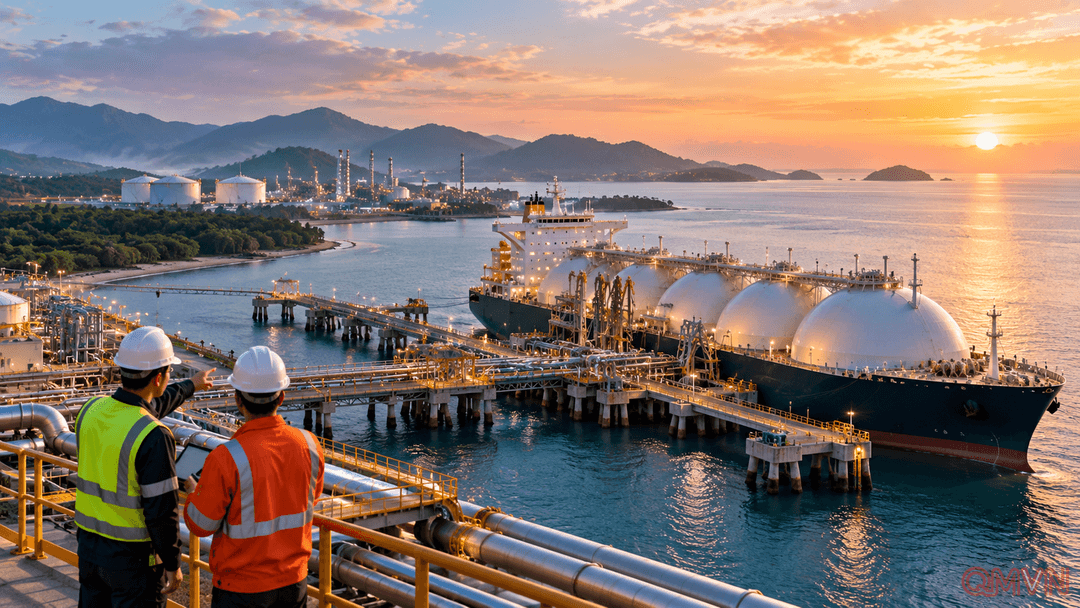
The expected investment is 2 billion to 3 billion ringgit, approximately $490 million to $735 million at the rates cited by Reuters. Gas Malaysia is developing the project with Japan’s Tokyo Gas and Dutch group VTTI. In its own announcement, Gas Malaysia described a planned floating storage and regasification unit offshore from Pulau Bunting, capable of processing up to six million tonnes annually. It would provide an additional entry point instead of concentrating import infrastructure farther south.